


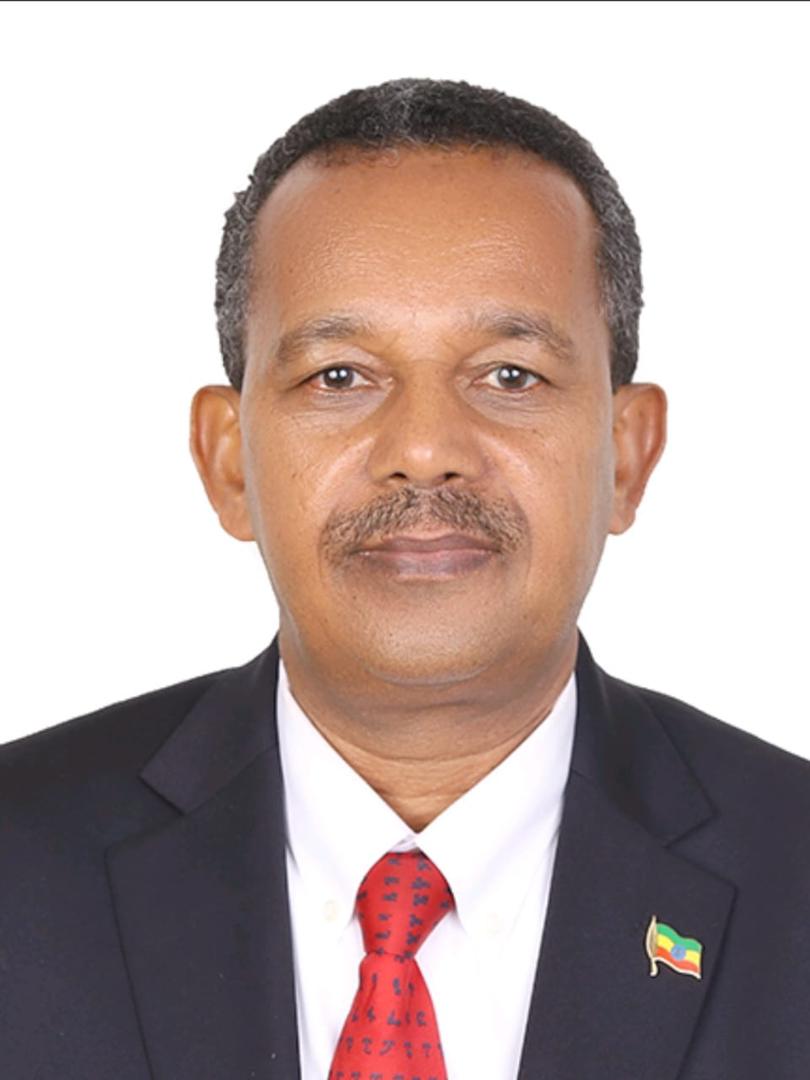
Ethiopia’s Ambassador Urges African Leaders to Strengthen Democratic Governance
Lesse Haile, Ethiopia’s ambassador to Nigeria, has called on African leaders to enhance democratic governance by reinforcing institutions, fostering inclusive electoral processes, and expanding opportunities for citizen engagement in shaping their nations’ futures. His remarks came during a dialogue session with the News Agency of Nigeria (NAN) in Abuja, where he reflected on the lessons learned from Ethiopia’s seventh national elections on June 1, 2026.
A Milestone in Ethiopia’s Democratic Journey
Haile characterized the recent elections as a significant milestone in Ethiopia’s democratic journey, asserting that they made a considerable contribution to the broader evolution of democracy in Africa. He emphasized that the elections showcased the resolve of millions of Ethiopians to determine their country’s path through peaceful, constitutional, and democratic means, despite ongoing political and socio-economic challenges.
Ethiopia’s Unique Political Heritage
With over 130 million residents, Ethiopia holds a unique position in Africa’s political landscape as one of the continent’s oldest independent nations and the home of the African Union headquarters. Haile underscored Ethiopia’s significant regional and continental importance as a founding member and host of the AU, which embodies the values of African independence.
Commitment to Democratic Governance Amid Challenges
Despite facing complex political, economic, and social realities, Haile reaffirmed Ethiopia’s unwavering commitment to democratic governance. According to him, ongoing institutional reforms play a vital role in strengthening democratic frameworks within the country. He also lauded the impact of Ethiopia’s national economic reform program, which has begun to deliver tangible results through urban development, critical infrastructure expansion, enhanced agricultural productivity, and strategic investments aimed at job creation and improved livelihoods.
Elections as Opportunities for Citizen Engagement
Haile articulated that elections should not be merely viewed as a means to elect political leaders. Instead, they represent a vital opportunity for citizens to assess governance, influence national development, and reinforce democratic accountability. He credited Ethiopia’s recent electoral success to increased voter engagement, improved election administration, robust legal frameworks, and the implementation of modern technology aimed at boosting transparency and efficiency.
Innovations Transforming the Electoral Process
A notable innovation introduced in this electoral cycle was Mirchaye (My Choice), a locally developed digital voter registration platform that has significantly transformed Ethiopia’s electoral process. Over 5 million voters registered electronically using their national identity cards, while more than 49 million completed their registration through a hybrid system designed for accessibility. For the first time, political parties and candidates also registered digitally, and over 7,000 polling stations were mapped using Geographic Information System (GIS) technology, enhancing logistical planning and election transparency.
Heightened Scrutiny and Broad Participation
Approximately 195,000 employees of the Ethiopian National Elections Board (NEBE) were deployed to around 52,000 polling stations across 501 electoral districts for this nationwide exercise, which attracted significant domestic and international scrutiny. The election observation missions, led by prominent figures such as former Kenyan President Uhuru Kenyatta and former Ugandan Vice President Speciosa Wandira Kazibwe, underscored confidence in Ethiopia’s democratic process. With over 54 million registered voters and 42 political parties participating, the election was highly competitive, featuring over 10,000 candidates vying for seats in the Ethiopian People’s Assembly as well as Regional State and City Administrative Councils.
Building Trust in Democratic Institutions
Haile stressed that the future of democracy in Africa relies heavily on establishing credible institutions capable of inspiring public trust and ensuring that elections serve as tools of dialogue, accountability, and national unity. He asserted that the ballot box should not only function as a mechanism for electing leaders; it must also cultivate national dialogue and foster collective participation in governance. While acknowledging that Ethiopia’s electoral process faces certain challenges, such as security concerns and the need for greater female representation in political roles, he framed these issues as opportunities for further institutional reform and the strengthening of democracy.
In closing, Haile highlighted Ethiopia’s experience as evidence that the African populace remains committed to constitutional governance, accountability, and peaceful democratic participation. He urged governments across the continent to continue investing in strong democratic institutions that can deliver credible elections and sustainable development.
