


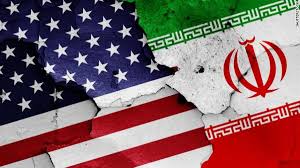
President Trump Threatens Military Action Against Iran
A new wave of hostilities between Iran and the United States escalated recently, significantly jeopardizing the fragile interim peace agreement in place. President Donald Trump has indicated a willingness to use military force to ensure that Iran is “no more.” According to reports from Britain’s Guardian newspaper, Tehran launched drone and missile strikes against targets in Bahrain and Kuwait over the weekend, simultaneously threatening a complete cessation of negotiations related to the ongoing conflict, following fresh U.S. military action against facilities in southern Iran.
Kuwait Intercepts Missile Attacks Amid Regional Tensions
In response to the recent flare-up, President Trump warned that the U.S. might soon abandon diplomatic efforts and take decisive military action. He stated via social media, “If that happens, the Islamic Republic of Iran will no longer exist.” Kuwait intercepted two ballistic missiles during this period of heightened tension, reporting no casualties or damage, while Bahrain’s interior ministry confirmed that Iranian airstrikes caused damage to residential areas near its international airport but resulted in no fatalities.
Casualties and Continued Strife
The violence has also had human costs, with Qatar’s interior ministry reporting the death of one Qatari national and injuries to another due to debris from military operations in the region. The two were located after their boat went missing on Saturday. The clashes were prompted by attempts to reopen the critical Strait of Hormuz to all shipping traffic without Iranian oversight. This vital waterway has historically facilitated about one-fifth of the world’s oil and liquefied gas, rendering its status crucial to global trade.
U.S. Strikes Target Iranian Military Capabilities
The U.S. Central Command characterized its strikes as a necessary response to Iran’s ongoing aggressions toward commercial shipping. The targeted operations focused on Iranian military assets involved in surveillance, communications, air defense, and drone-related activities. While U.S. officials advocate for a navigational route along the Omani coast, Iran seeks to maintain control over northern passage routes that would allow it to impose fees on passing vessels.
Oil Trade Disruptions and Global Economic Impact
Since the onset of hostilities, hundreds of vessels, including oil tankers, have found themselves stranded in the Gulf due to the closure of the Strait of Hormuz. Remarkably, some of these disruptions have inadvertently driven oil prices down to levels akin to those before the conflict, offering some relief to global economies. The U.S. military recently accused Iran of breaching a cease-fire agreement by targeting the Panama-flagged tanker Kiku, which was transporting crude oil for Qatar’s state-run energy corporation and was reportedly attempting to navigate the southern corridor.
Iran’s Assertive Stance and Regional Security Framework
During a state visit to Iraq, Iranian Foreign Minister Abbas Araghchi reiterated Tehran’s position on exclusive control over the Strait of Hormuz. He cautioned that any interference or new arrangements not sanctioned by Iran would further complicate negotiations and exacerbate tensions. Araghchi proposed the establishment of a regional security framework that excludes outside forces, emphasizing the need for cooperation among Gulf nations.
Stalled Negotiations and Domestic Pressures
Recently, mediators from Qatar and Pakistan managed to convene discussions between U.S. and Iranian representatives in Switzerland, but significant differences remain unresolved on pivotal issues such as the Strait of Hormuz’s future and sanctions. A memorandum signed earlier this month allows both countries 60 days to resolve these disputes before finalizing an agreement. Leaders in both Tehran and Washington are facing domestic pressures to avoid a return to conflict, leading them to express a commitment to ceasefire, albeit amidst ongoing aggressive rhetoric.
The Islamic Revolutionary Guard Corps claimed responsibility for the recent attacks, warning any breach of the ceasefire would result in a total freeze of the ongoing negotiation process. As the Guards, which control Iran’s missile arsenal, consolidate their influence, their Naval Command has ominously stated that U.S. military bases in the region will face dire consequences within days.
