


Escalating Anti-Immigrant Sentiment in South Africa
In recent months, South Africa has witnessed a significant rise in anti-immigrant rhetoric, culminating in a chilling ultimatum delivered to Kaunga Nyirenda, a Malawian gardener, near Johannesburg. In early June, two men confronted Nyirenda with a stark warning: “Leave now or face death.”
Chilling Threats Amid Rising Tensions
Nyirenda recalled their words: “They asked me, ‘When are you going to leave? We want to rebuild this country. If we don’t leave now, we’ll leave in a coffin because we don’t need anyone after June 30th.'” This personal experience mirrors a larger trend of growing hostility towards foreigners in South Africa.
Protests and Violence Against Foreign Nationals
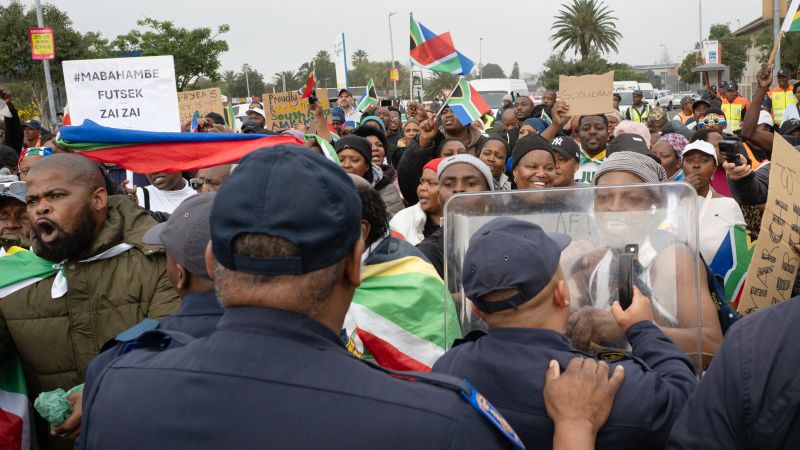
In recent weeks, various protest and vigilante groups have staged demonstrations, claiming to advocate for peace while inciting violent actions against both documented and undocumented foreigners. Many of these individuals have been scapegoated for the challenges South Africans face, including job shortages and strained public services.
Government Response and Warnings
The South African government has rejected a self-imposed “deadline” for foreigners to leave, particularly as fears mount that violence could escalate. On June 27, protesters from a group known as March and March threatened large-scale demonstrations if their demands, including rapid deportations, were not met.
Presidential Condemnation of Violence
Just ahead of the anticipated protests, President Cyril Ramaphosa issued a strong warning against attempts to destabilize the nation through marches and violence. He emphasized that such acts do not represent the views of South Africans and characterized them as the work of “opportunists exploiting legitimate grievances,” while ensuring that security forces were prepared to intervene if necessary.
Investigations into Recent Attacks
As tensions rise, South African police have launched investigations into the recent deaths of several foreign nationals. In late May, two Mozambican men were brutally killed, and more than 50 huts were burned in an informal settlement in Mossel Bay. Mozambique has since reported the deaths of five of its citizens in what it deemed a xenophobic attack.
Exodus of Migrants Amid Fear and Uncertainty
As the end of June approaches, migrant communities are increasingly frightened, leading to a rapid exodus as individuals seek refuge from further violence. Authorities are investigating the recent death of a Malawian man who was killed in an informal settlement, prompting hundreds of migrants to take refuge in churches and mosques.
The Role of Anti-Immigrant Groups
The rise in hostility is largely fueled by movements such as March and March and Operation Dudula, which have actively targeted foreign-owned businesses and sought to limit immigrants’ access to public services. These groups, including leaders like Nkosikona Ndabandaba, have gained significant traction on social media, with Ndabandaba himself spearheading the “leave now” campaign and urging immigrants to vacate South Africa ahead of the June 30 deadline.
Government Acknowledgment of Immigration Challenges
In light of these events, President Ramaphosa has acknowledged the complexities tied to illegal immigration, highlighting how it distorts the labor market and pressures public services. However, he cautioned against framing migrants as scapegoats for the broader economic issues plaguing South Africa.
Longstanding Issues of Xenophobia and Economic Strain
Despite being a country with substantial economic potential, South Africa is grappling with high unemployment rates, currently at 32%. The ongoing wave of xenophobic violence is not new; the country has faced similar outbreaks in the past, especially against immigrants from Zimbabwe, Mozambique, and Malawi. While many South Africans express their frustrations through violence, these attacks often reflect deep-seated socio-economic inequalities tied to historical injustices.
The Impact on Migrants and Future Prospects
As Nyirenda prepares to return to Malawi after 16 years in South Africa, he reflects on the hypocrisy of the protests targeting fellow poor black Africans. He questions why individuals would attack those equally struggling while ignoring the systemic issues perpetuated by those in power. With over 13,000 foreign nationals returning home in recent weeks, the fate of many remains uncertain as they navigate the complex socio-political landscape of South Africa.
