


The Systematic Targeting of Religious Communities in Nigeria
The Observatory for Religious Freedom in Africa (ORFA) recently released a compelling report that highlights the urgent need for global awareness regarding human rights violations in Nigeria. Between 2020 and 2025, the country witnessed a staggering 79,323 deaths due to terrorism-related violence, averaging 36 fatalities per day. Alarmingly, 42,033 of these victims were innocent civilians—men, women, and children whose lives were tragically cut short.
Fulani Militias and Terrorism in Nigeria
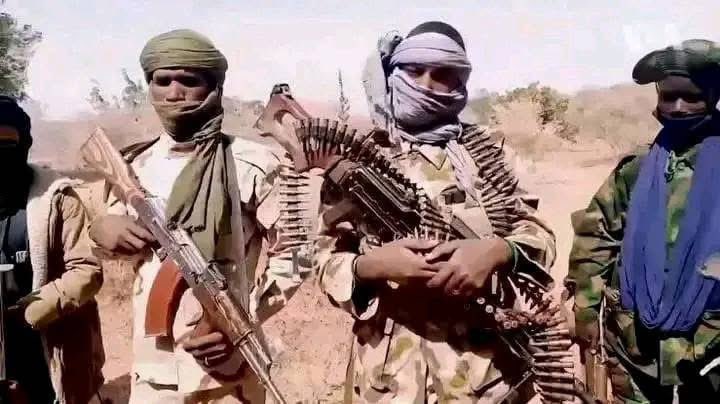
According to ORFA data, armed groups identified as “Fulani terrorist groups” were responsible for an alarming 44 percent of civilian deaths, equating to 18,577 fatalities. In stark contrast, notorious entities like Boko Haram and the Islamic State West Africa Province (ISWAP), which attract considerable media attention, accounted for only 12 percent of deaths. ORFA Senior Research Analyst Fran Fjerhout emphasized that the violence perpetrated by Fulani militias is the primary driver of Nigeria’s death toll, suggesting that the international focus on Boko Haram is misdirected and overlooks a larger, more pressing issue.
Muslim Civilians Targeted in Violence
The report underscores that Muslim civilians are not immune from this escalating violence. In the span of five years, 13,224 Muslims have been killed, with an additional 15,272 abducted. These figures reflect systematic operations by Fulani militias and political Islamists who are willing to sacrifice even their co-religionists in the pursuit of land and power.
The Scale of Abductions and Rural Violence
Over a six-year period, the ORFA documented 34,773 civilian kidnappings, with Fulani terrorist groups responsible for 43 percent and unidentified groups accounting for 49 percent. Most civilian deaths occurred in rural areas amid violent raids aimed at abduction, sexual violence, and the destruction of homes and livelihoods, indicating a coordinated and systematic campaign rather than isolated incidents.
Fulani Militia Strategies and Security Gaps
Security expert Stephen Cefas noted that Fulani militia activities tend to be methodical, with 79 percent of attacks targeting agricultural settlements focused on abductions, killings, sexual violence, and arson. This violence predominantly affects the northern-central regions and southern Kaduna, areas that suffer deeply while military resources remain concentrated in the northeast and northwest. Such a disparity indicates a troubling choice by authorities regarding security distribution.
Disparities in Treatment of Hostages
ORFA’s research reveals a disturbing framework called “captivity by creed,” marking how Muslim and Christian individuals are treated differently upon capture. Muslim prisoners generally face lower ransom demands and less violence, while Christian captives endure higher demands and a greater likelihood of execution or sexual abuse. This systematic differentiation underscores a broader network of beliefs deeply entrenched in the conflict.
The Influence of Political Islamism
Eyewitness accounts in the ORFA report attribute part of the conflict to the Izalah movement, which has gained influence through a combination of Saudi Arabian ideologies and the ethnic supremacy of the Fulani people. The emergence of the Fulani Ethnic Militia has led to increased violence against both non-Fulani Muslims and Christians. A recent study in Plateau State corroborates this, revealing that many non-Fulani indigenes see the violence as driven by land acquisition motives and ideological warfare rather than mere resource disputes.
Government Complicity and International Oversight
Complicity from the Nigerian government exacerbates the situation. The ORFA report indicates that the government prefers to label these violent acts as “climate conflict,” which minimizes the gravity of ethno-religious violence and limits external aid and investment. Critics, including church leaders and analysts, have condemned the government’s pattern of downplaying the atrocities committed by Fulani jihadists, framing them instead as “communal clashes.”
Addressing the International Blind Spot
Despite increasing fatalities, Fulani militias remain conspicuously absent from significant global terrorism rankings, such as the Global Terrorism Index (GTI). Misclassification of their violence as “communal” or “ethnic” conflict has rendered them invisible in international security discussions and humanitarian efforts. As advocates argue, until the narrative shifts to acknowledge the genocidal nature of these actions, systemic change remains elusive.
