


Surging Anti-Civil Rights Incidents Amid Historical Crime Lows in California
Despite a notable decline in overall crime rates, California has witnessed a troubling surge in anti-civil rights incidents, which have doubled in recent reports. While this presents a significant concern for community safety and inclusivity, it highlights the paradox of a state often at the forefront of progressive values.
Rising Anti-Trans Sentiment in California
Arne Johnson, an advocate from Rainbow Families Action, has observed a sharp rise in anti-transgender hate in California since 2024. He points to a concerning trend where political rhetoric, legislative measures, and executive orders are emboldening expressions of hate that were previously confined to private discussions. Though there have been attempts to pass harmful legislation affecting transgender students in the Bay Area, such efforts have largely stalled, yet they open the floodgates for hateful discourse that permeates family discussions.
California’s Legal Landscape for Transgender Rights
A recent report follows the Supreme Court’s decision to uphold birthright citizenship and affirm state bans preventing transgender girls from participating in girls’ sports. California’s laws protect transgender children and athletes; however, the inclusion of a transgender athlete on San Jose State University’s track team has ignited controversy around various academic and athletic events statewide. Governor Gavin Newsom has raised concerns about the fairness of transgender women in women’s sports and hinted at potential changes to clarify state regulations on this issue.
Public Support for Restrictive Transgender Laws Grows
Research by the Pew Research Center reveals a troubling trend: an increasing number of Americans are now supportive of laws that restrict transgender rights, including limitations on sports eligibility for transgender individuals and access to gender-affirming healthcare for minors. This evolving public sentiment reflects broader social dynamics in the state and beyond.
Human Rights Violations Link to Political Rhetoric
The United Nations Monitoring Committee has issued warnings about “racist hate speech” from public figures, including former President Trump. The Committee highlighted how such rhetoric and the administration’s immigration policies contribute to serious human rights violations and exacerbate dehumanizing stereotypes. They argue that the portrayal of political leaders as criminals can incite further racial discrimination and acts of violence.
California’s Ongoing Battle Against Immigration Crackdowns
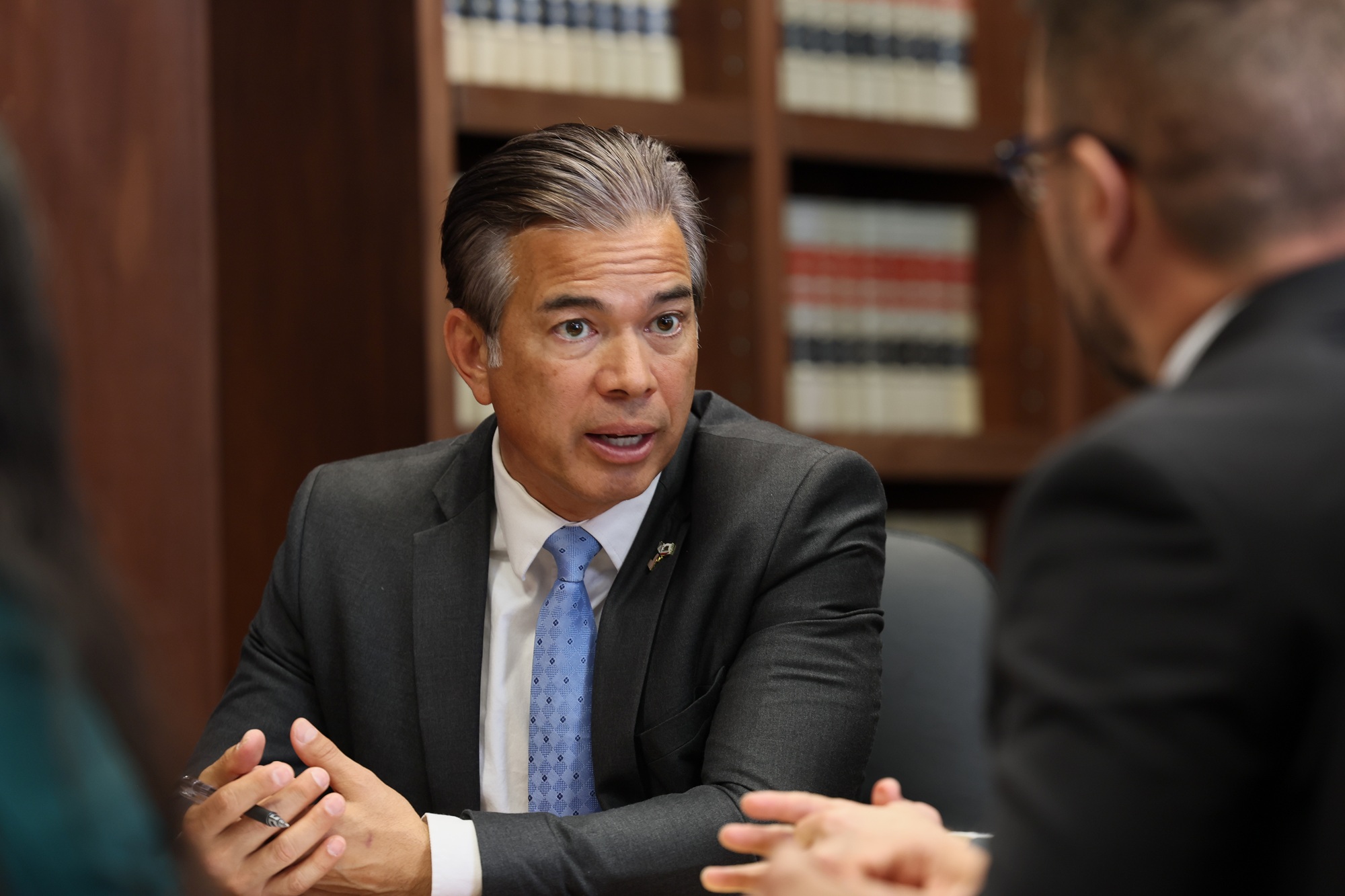
California has proven to be a stronghold against the federal government’s immigration enforcement strategies, led by Attorney General Rob Bonta. He has spearheaded several high-profile legal challenges against policies intended to restrict funding for immigration enforcement. Notably, while certain hate incidents have increased, overall hate crimes and other significant offenses have seen a decline across the state.
Record Low Violent Crime Rates in California
Bonta recently announced that 2025 recorded the lowest number of homicides and shootings since data collection began in 1966. The statistics show an 18% reduction in murder rates and a 10.2% decrease in violent crime. Auto theft dropped by an impressive 25%, and overall property crime also declined. These trends are largely credited to enhanced law enforcement strategies and proactive state policies that aim to improve community safety.
Investment in Communities Driving Crime Reduction
Bonta emphasized that these positive results reflect nationwide trends but are particularly striking in California. He attributed the state’s success to a combination of community investment and strengthened law enforcement. Governor Newsom echoed this sentiment, stating that smart and sustained investments in community well-being and law enforcement are crucial for improving public safety and saving lives across the state. California’s experience demonstrates that strategic initiatives can yield significant benefits for families and communities.
