


Nigeria Aims to Unlock Digital Trade Opportunities Across Africa
Nigeria is taking significant steps to capitalize on the untapped potential of its digital economy, aiming to modernize its business classification system to facilitate the expansion of digital companies across African markets, according to Francis Onyemachi.
Currently, only 5% of digitally delivered services in Africa are conducted within the continent, highlighting vast opportunities for intra-African trade, investment, and digital transformation.
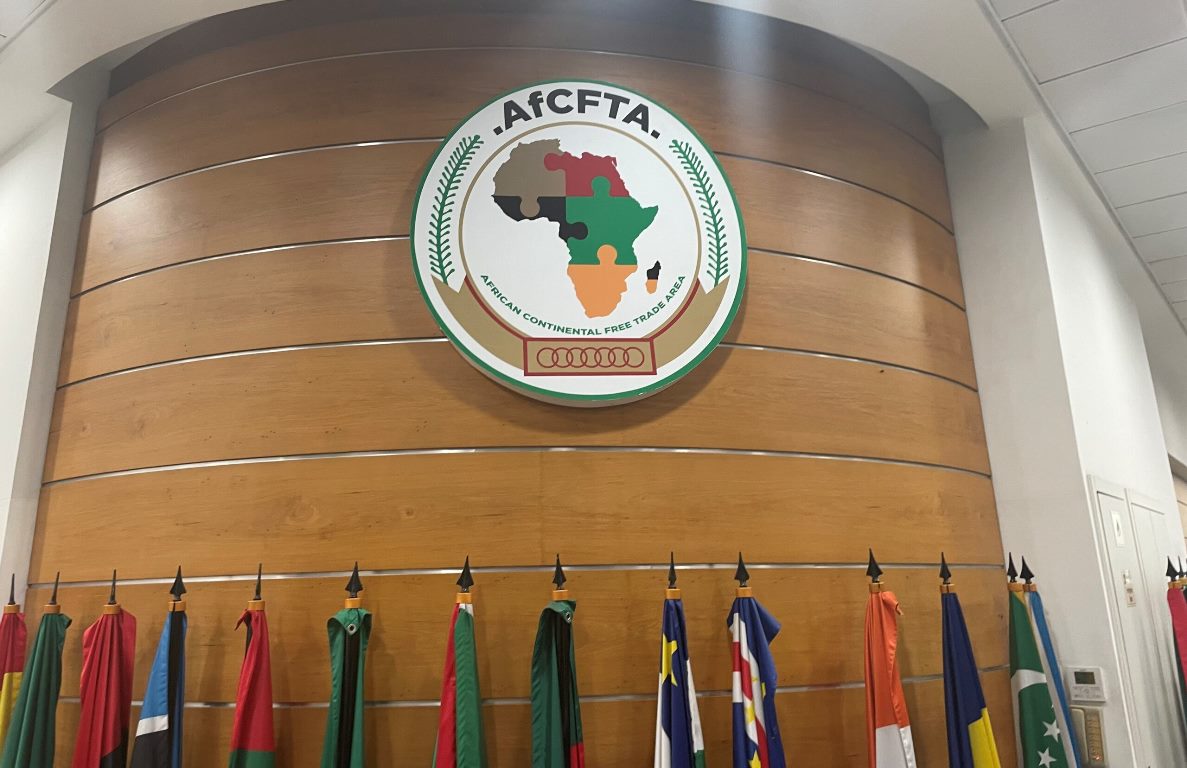
Dr. Jumoke Oduwole, Nigeria’s Minister of Industry, Trade and Investment, made these remarks during her address at the 2nd AfCFTA Digital Trade Forum held in Lagos on July 1, 2026. She emphasized Nigeria’s commitment to leveraging the benefits of digital trade under the African Continental Free Trade Area (AfCFTA).
During her speech, Oduwole noted that the Nigerian government is implementing strategic initiatives to unlock digital trade opportunities. In April 2025, the Ministry of Industry, Trade and Investment (FMITI) conducted a comprehensive mapping of Nigeria’s digital services ecosystem. This effort resulted in Africa’s first directory of digital service companies categorized by sector and identified five priority markets for Nigerian businesses, which include Egypt, Ghana, Kenya, Rwanda, and South Africa.
Oduwole also highlighted that this mapping exercise has uncovered critical policy gaps. Many digital enterprises do not conform to traditional industry classifications, necessitating an update to existing frameworks.
She reiterated the importance of evolving Nigeria’s business classification framework to better reflect the realities of today’s digital economy. This approach aims to ensure that policies, incentives, and support programs are tailored to the businesses that are driving growth.
Recently, trade ministers, policymakers, and technical experts from across Africa convened in Abuja to assess the implementation of the AfCFTA and explore ways to foster intra-African trade. Oduwole pointed out that while negotiating such agreements is a significant step, the real challenge lies in enabling businesses to leverage these agreements effectively.
The Minister underscored the government’s responsibility to cultivate an ecosystem that fosters the growth of startups and digital businesses across Africa. She acknowledged that many successful African unicorns emerged from a landscape requiring exceptional resilience from their founders. Her goal is to simplify the pathways for the next generation of entrepreneurs, making it easier to build and scale innovative businesses while attracting capital.
Oduwole concluded by noting that Nigeria boasts a strong foundation for digital trade, thanks to its established fintech ecosystem, ICT sector, and innovation landscape. However, she emphasized the need for harmonized policies to facilitate seamless cross-border trade, stating that if companies excel in creating world-class products but face payment challenges and varying regulatory requirements when interacting with other African markets, the true potential of the AfCFTA remains unrealized.
With ICT contributing nearly 18% to Nigeria’s GDP and housing approximately 28% of Africa’s fintech companies, the country is well-positioned to harness its youthful demographic, where over 60% are under the age of 25, to propel its digital economy forward. Oduwole stressed the importance of sustaining growth through an enabling policy environment that encourages innovation and business expansion across the continent.
