


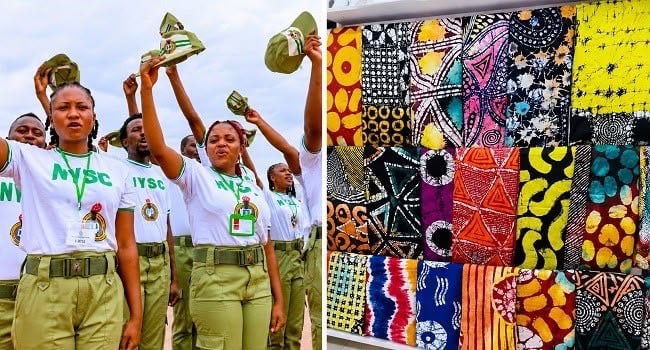
Nigeria’s Federal Government to Introduce Adire Uniforms for NYSC
The Federal Government has unveiled plans to replace the traditional khaki uniforms of the National Youth Service Corps (NYSC) with Adire fabric. This initiative is part of broader reforms aimed at boosting local production and revitalizing Nigeria’s textile industry.
Minister Announces Textile Initiative
During a recent appearance on Channels Television’s Morning Brief, Minister of Youth Development Ayodele Olawande provided details about the new policy. He emphasized that this shift not only supports indigenous manufacturers but also celebrates Nigeria’s rich cultural heritage.
Supporting Local Industries
According to Olawande, the intention behind this policy is to channel government spending into local textile production. He highlighted the development of textile industries in states like Ogun and Kwara, stating, “Let’s give our money back to the country.” By sourcing materials locally, the initiative aims to create new jobs, enhance the textile value chain, and promote the demand for Nigerian-made fabrics.
Significant Reform in NYSC History
The uniform changes form part of a comprehensive reform package recently endorsed by the Federal Executive Council (FEC), designed to modernize the NYSC, which has been in operation for 53 years. If implemented, this transition from the recognizable khaki attire to culturally emblematic Adire marks one of the most transformative updates in the history of the NYSC.
Ensuring Quality Standards
While the announcement garnered positive feedback from numerous Nigerians, there are calls for the government to guarantee that the new uniforms meet high-quality standards. Local resident Mr. Oladokun highlighted during a radio call-in show that this decision is poised to benefit local manufacturers significantly.
Public Reactions to the Announcement
Others echoed similar sentiments but raised concerns about the quality of production. One caller underscored the need for improved standards, warning that the influx of subpar Adire, particularly counterfeit items from abroad, could undermine the local economy. This sentiment emphasizes the importance of maintaining high-quality manufacturing to foster the growth of Nigeria’s textile industry.
Broader Implications for Indigenous Textiles
Osigwe Jude from Suleja advocated for extending the promotion of indigenous textiles beyond the NYSC uniforms. He expressed enthusiasm for a national policy that would encourage the use of Akala and Adire fabrics across various sectors, suggesting a shift away from formal suits and ties in favor of local textile options. Jude’s comments reflect a broader desire for cultural authenticity in Nigeria’s fashion landscape.
As this policy progresses, many Nigerians are optimistic about its potential to elevate local production, but they remain vigilant about the quality, affordability, and durability of Adire uniforms. The effectiveness of this initiative hinges not just on the introduction of new uniforms but also on fostering a sustainable and vibrant local textile economy.
