


A Diverse Approach to Africa’s Energy Needs
Africa is facing a critical challenge in providing reliable, affordable, and sustainable electricity to over 600 million people lacking access. Energy experts are increasingly agreeing that the continent’s future energy landscape cannot rely on a single technology. Instead, success hinges on the intelligent integration of natural gas, renewable sources, hydropower, battery storage, and existing thermal power generation, creating a flexible and resilient power system.
A Focus on the Future at Africa Energy Indaba
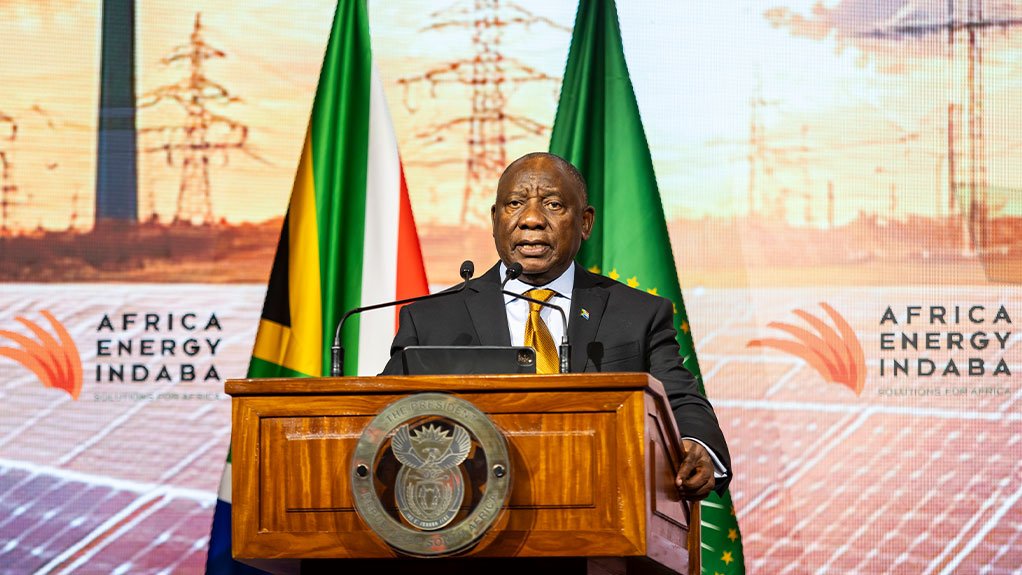
This pivotal issue will be thoroughly examined at the 2027 Africa Energy Indaba, scheduled for March 2-4 at the Cape Town International Convention Center (CTICC). This event will bring together government leaders, utilities, investors, project developers, and technology providers to explore how a diversified energy portfolio can advance Africa’s goal of universal electricity access while fostering economic growth.
Varying Energy Resources Across the Continent
African nations each face unique resource and infrastructure challenges. Some countries boast abundant hydropower, while others are rich in natural gas or have world-class solar and wind potential. In light of this diversity, governments are moving away from one-size-fits-all solutions and embracing integrated resource planning that capitalizes on each country’s specific energy mix to deliver reliable power systems.
Balancing Technologies for Energy Transition
Liz Hart, managing director of Africa Energy Indaba, emphasizes that Africa’s energy transition is distinct from that of Europe or North America. The continent requires practical, investment-driven solutions that harmonize affordability, reliability, and sustainability. Multi-resource energy systems acknowledge the critical roles that different technologies play in achieving universal energy access while promoting industrialization and economic progress.
The Role of Natural Gas and Existing Power Assets
Natural gas is increasingly recognized as a vital transition fuel, providing flexible power generation that complements intermittent renewable sources while emitting fewer pollutants than traditional coal-fired plants. Additionally, large-scale solar and wind projects are gaining competitive pricing, although hydropower continues to serve as a foundational source of generation in various regions. Existing thermal power plants remain significant assets, particularly those that can be upgraded for improved efficiency and stability during the energy transition.
Integrating Resources for Sustainable Electricity
Policymakers now face a transformed challenge—not merely choosing between renewable and conventional energy, but determining how these resources can function cohesively within an integrated system to deliver affordable, round-the-clock electricity. The Africa Energy Indaba will explore optimization strategies like improved transmission infrastructure, regional power trading, energy storage advancements, digital grid technologies, and flexible generation systems tailored to fluctuating electricity demands.
Investment and Regional Cooperation in Energy Development
Critical discussions at the conference will include investment strategies necessary for building an integrated energy system. Significant capital is needed for new generation capacity, modernized electricity grids, battery storage, gas infrastructure, and regional interconnections. Development finance institutions, commercial banks, and private investors will share insights on innovative financing mechanisms that can hasten deployment while mitigating investment risks across African markets.
Collaborative Efforts for Reliable Power Supply
The conference will also highlight the significance of regional collaboration through African power pools, which facilitate resource-sharing across borders and bolster system reliability. Enhanced interconnectivity among countries enables more efficient use of renewable resources, hydropower, gas generation, and reserve capacity. A diversified energy strategy is essential not only for energy access but also for supporting Africa’s industrialization ambitions, as a dependable power supply is crucial for manufacturing growth, mine expansion, and overall economic competitiveness.
Aligning Energy Infrastructure with Economic Development Goals
As Africa pursues initiatives like Mission 300 and aims to boost electricity access while advancing the goals of the African Continental Free Trade Area (AfCFTA), integrated energy planning plays an increasingly important role in supporting long-term economic development. The Africa Energy Indaba has long advocated for a technology-neutral approach, recognizing that Africa’s future energy landscape depends on collaboration among various technologies. By convening leaders from renewables, natural gas, nuclear power, transmission, storage, utilities, and investment sectors, the event serves as a unique platform for developing practical solutions tailored to Africa’s diverse energy needs.
Shaping the Next Generation of Africa’s Energy Infrastructure
As African governments refine their integrated resource plans and investors seek lucrative opportunities across the continent, the discussions at the 2027 Africa Energy Indaba are poised to shape the policies, partnerships, and investments that will define the next generation of energy infrastructure in Africa. The continent’s energy future is not about favoring one technology over another but about establishing intelligent, integrated systems that leverage Africa’s abundant natural resources to provide safe, affordable, and sustainable power for generations to come.
The Africa Energy Indaba: A Premier Event for Energy Leaders
Set to take place from March 2-4, 2027, at the Cape Town International Convention Center, the Africa Energy Indaba will convene ministers, utilities, investors, regulators, and industry leaders from across the continent and around the world, facilitating critical dialogue to shape Africa’s energy future.
