


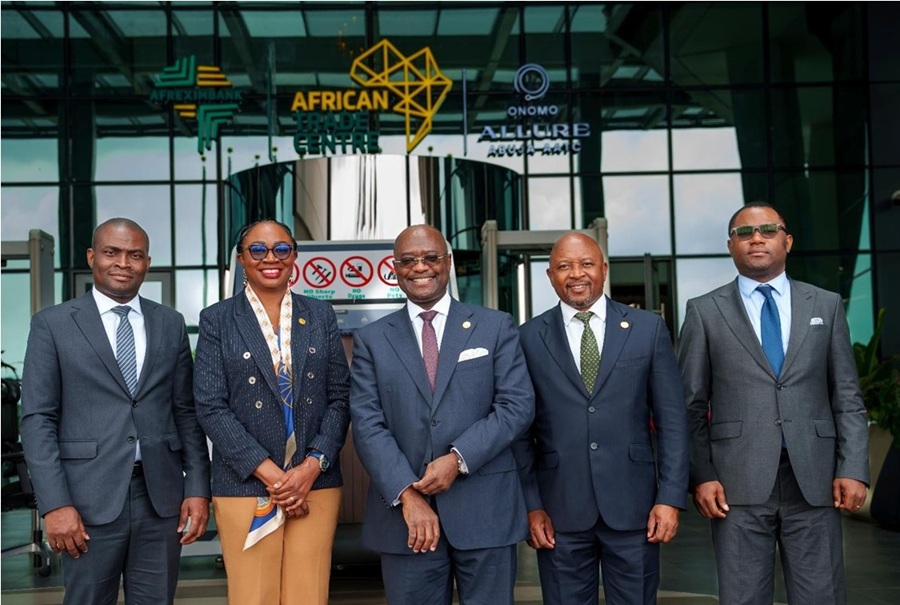
Africa’s Economic Sovereignty Depends on Industrialization
The President and Chairman of the Board of the African Export-Import Bank emphasized that Africa can achieve true economic sovereignty only through large-scale industrialization, resource processing, and fair access to capital for development. Dr. George Elombi articulated this vision during a press conference in Abuja, Nigeria, highlighting the need for the continent to move beyond a reliance on extracting and exporting raw materials while importing finished goods.
Transforming Africa’s Growth Model
Dr. Elombi outlined that Africa’s next growth phase must be driven by robust financial institutions capable of adding value, promoting manufacturing, and facilitating regional trade. He underscored the importance of mobilizing domestic capital and resources to support this transformational agenda. An effective strategy will not only safeguard Africa’s resources but also enhance its capacity for self-sufficiency.
The Importance of Accessible Capital
According to Dr. Elombi, African sovereignty hinges on the ability to process resources within the continent, not merely exporting unprocessed materials. He stated, “Industrialization requires capital, and that capital must be accessible on terms that reflect Africa’s true potential.” This perspective underscores the necessity of fair financing conditions to support Africa’s industrial ambitions.
Afreximbank’s Role in Industrial Transition
Dr. Elombi explained that Afreximbank’s mission focuses on transitioning Africa from a commodity-dependent economy to one with a robust industrial capability. Through direct debt financing and partnerships, such as with ARISE IIP, Afreximbank is fostering the development of multipurpose industrial parks and special economic zones. These initiatives are aimed at enhancing sectors like mineral processing, agriculture, automotive, textiles, and pharmaceuticals.
The Challenge of Credit Ratings
Addressing the challenges of capital access, Dr. Elombi noted the significant impact of credit ratings on financing costs and investor access for African financial institutions. He argued that accurate credit assessments are crucial to Africa’s sovereignty agenda. By properly evaluating African institutions, the continent can attract more competitive capital to fund its industrial growth, thereby accelerating trade and job creation.
Afreximbank’s Recent Ratings Highlight Need for Contextual Evaluation
Afreximbank recently received an investment-grade rating from S&P Global Ratings, reflecting its strong financial performance and potential. The bank reported a total asset growth to USD 49.4 billion and a notable equity ratio of 23% in its first-quarter results for 2026. Dr. Elombi emphasized the need for rating agencies to consider Afreximbank’s unique structure and the central role it plays in financing African trade.
Investors’ Confidence Amidst Global Challenges
Despite a complex global economic environment, Afreximbank has demonstrated resilience, showcasing strong investor confidence through successful bond issuances. In the first quarter of 2026 alone, the bank raised USD 2 billion through a dual-tranche syndicated facility, attracting financial institutions from Europe, the Middle East, Asia, and Africa. Dr. Elombi asserted that the movement of African products across its markets is essential for achieving true sovereignty.
Future Focus on Resource Mobilization and Infrastructure Development
Looking ahead, Dr. Elombi expressed commitment to enhancing trade-enabling infrastructure and streamlining payment systems. Through initiatives like the African Continental Free Trade Area (AfCFTA), he aims to reduce barriers obstructing intra-African trade. He concluded by supporting the notion of a New African Financial Architecture (NAFA) to accelerate resource mobilization for sustainable development and infrastructure, ensuring that Africa’s production and trade capabilities continue to flourish.
