


As America celebrates its birthday, a familiar sentiment surfaces: “America is a country of immigrants.” This phrase rings true. For over two and a half centuries, individuals have ventured to this nation in pursuit of opportunity, freedom, and a brighter future. Immigration is an integral part of the American narrative.
In today’s world, where human mobility is often marked by conflict, persecution, climate change, economic instability, and political unrest, this meaningful refrain prompts us to explore significant questions. What exactly defines an immigrant? How do we distinguish between an immigrant and a refugee, or an asylum seeker?
Although these terms are frequently used interchangeably, they hold distinct meanings. Understanding these differences has critical legal, humanitarian, and policy implications. Here’s a breakdown of these important terms.
Understanding Immigrants
An immigrant is defined as someone who opts to reside permanently in another country. These individuals typically aim to establish roots and seek permanent residency or citizenship. Picture the families arriving at Ellis Island or those obtaining family visas to reunite with loved ones—these moves are anticipated to last indefinitely.
Defining Immigration
Immigration is a broad term encompassing the movement of people from one location to another, whether within a country or across international borders. Many migrants move seasonally for agricultural work, while others relocate for educational, employment, or familial reasons. Such migration can be either temporary or long-term and is generally voluntary unless driven by economic necessity. Unlike refugees, immigrants are not primarily fleeing persecution and are not legally barred from returning home. While migrants are entitled to fundamental human rights, they are not automatically granted international refugee protection.
Understanding Refugees
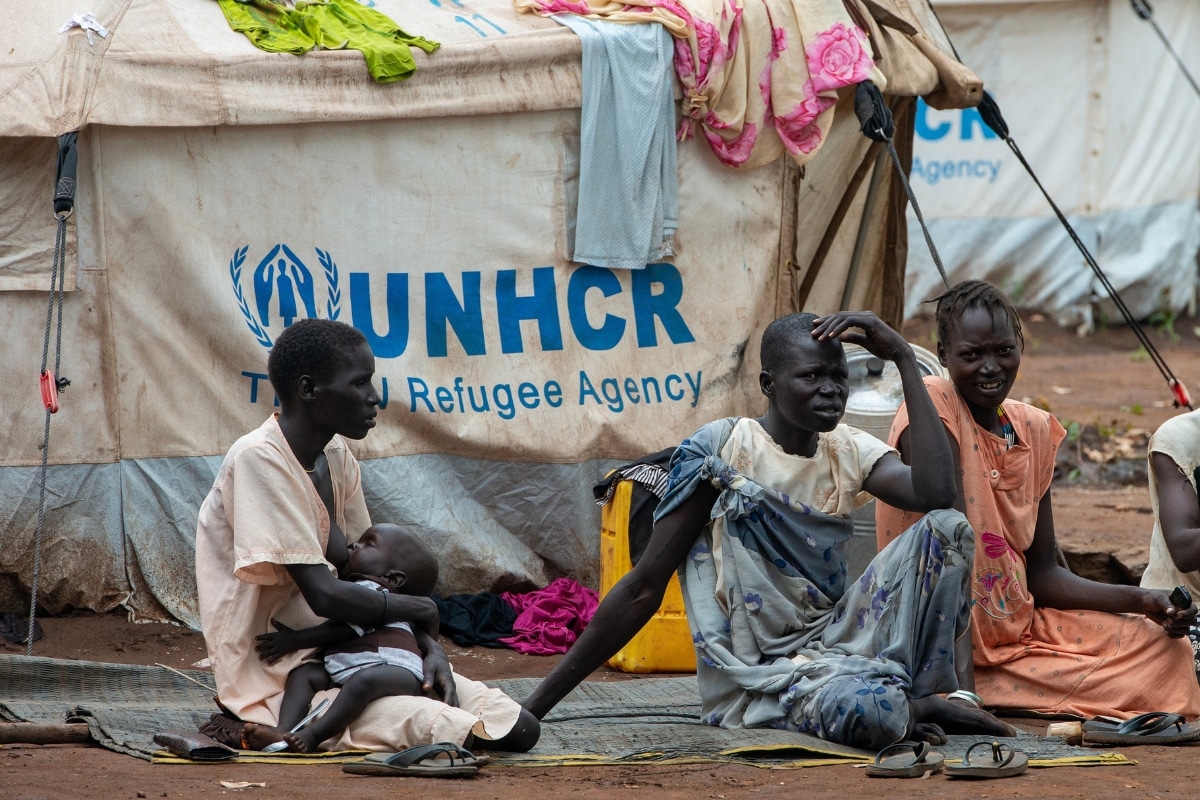
The 1951 Refugee Convention defines a refugee as someone who has fled their home country due to a well-founded fear of persecution based on race, religion, nationality, political opinion, or membership in a specific social group. Since refugees cannot return safely to their homeland, international law provides them with special protections, including the principle of non-refoulement, which prohibits their return to places where they face danger.
Asylum Seekers Explained
All refugees start their journey as asylum seekers; however, not all asylum seekers will become recognized as refugees. An asylum seeker is someone who has crossed an international border and sought protection from a foreign government, but their legal status has yet to be determined. While some applications might be approved, others may be denied. Until a decision is made, these individuals remain asylum seekers, not legally recognized as refugees.
Internally Displaced Persons (IDPs)
Individuals forced to flee their homes due to conflict, persecution, or disaster but who do not cross national borders are known as internally displaced persons (IDPs). Since they remain within their own country, IDPs are not afforded the protections of international refugee law. They remain under their government’s jurisdiction, even if that government is unable or unwilling to offer protection, or if it is responsible for their displacement. IDPs currently represent the largest segment of the world’s forcibly displaced population.
The Plight of Stateless Persons
A frequently overlooked category is stateless individuals. Stateless persons lack citizenship in any country. This absence of nationality complicates daily activities that many may take for granted, including obtaining a passport, enrolling in educational institutions, or opening bank accounts. Stateless individuals may also find themselves in overlapping categories, such as refugees, asylum seekers, migrants, or internally displaced persons, further complicating their situations.
The Importance of Labels
These distinctions, while they may seem merely legal in nature, play a crucial role in determining the protections afforded to individuals, the responsibilities of governments towards them, and the roles of international organizations such as the United Nations Refugee Agency (UNHCR) and the International Organization for Migration (IOM) in providing assistance. As the U.S. marks its 250th anniversary, it is essential to recognize that the nation has been shaped by its diverse population—some arriving out of choice, others by necessity. In a time of unprecedented global displacement, acknowledging these differences is more critical than ever.
