


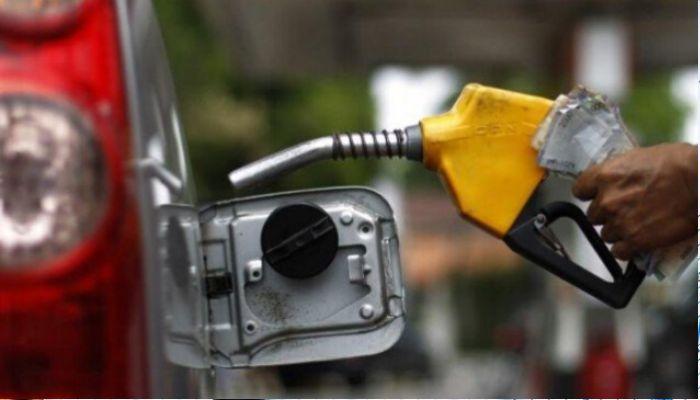
Nigeria’s Financial Landscape After Fuel Subsidy Removal
Three years after Nigeria abolished its fuel subsidy, the nation’s finances have shown significant improvement. Government revenues have surged, and states are receiving record allocations. Investor interest is also returning. However, a lingering concern for millions of Nigerians is whether the anticipated benefits from the subsidy removal have materialized.
Commitment to Policy Change by President Tinubu
In his inaugural address in May 2023, President Bola Tinubu announced the elimination of fuel subsidies, citing the need to dismantle policies that have distorted Nigeria’s financial framework for decades. This reform was deemed necessary as the subsidy system, costing trillions of naira annually, disproportionately favored wealthier households that consume more fuel, led to widespread smuggling to neighboring countries, and was linked to numerous fraudulent claims. Instead of funding essential services like roads and healthcare, these subsidies kept petrol prices artificially low.
Assessment of Economic Trade-offs and Reform Outcomes
The trade-off proposed to Nigerians was straightforward: endure immediate economic hardship in exchange for future savings intended for infrastructure, education, healthcare, and social programs. The aim was also to decrease government borrowing, minimize corruption, and enhance investor confidence. With the subsidy now phased out, the critical question remains: have the promised benefits been realized? This inquiry demands an analysis of public finances and whether recent gains have led to observable improvements in citizens’ lives.
The Budgetary Impact of Subsidy Removal
By 2023, fuel subsidies had emerged as one of the largest recurring expenditures in the federal budget. The World Bank estimated that subsidies reached approximately 4 trillion naira in 2022, with projections suggesting that continuing the program would have escalated costs to over 6 trillion naira by 2023, consuming nearly all reserved federal funds for debt servicing. Removing the subsidy was further justified by its uneven distribution of benefits—high-income households were the primary beneficiaries. The World Bank suggested that eliminating the subsidy could enhance Nigeria’s fiscal position by about 2.6% of GDP in 2024, marking one of the largest fiscal improvements in recent history.
Improvement in Government Revenue and Fiscal Health
The reforms led to a significant uptick in government revenues and allocations to the Federal Account Allocation Commission (FAAC), achieving record levels. In 2024, total revenue collected rose from 16.5 trillion naira to 29.5 trillion naira, reflecting the effects of subsidy removal and improved collection mechanisms. According to World Bank data, the consolidated fiscal deficit narrowed from approximately 5.4% of GDP in 2023 to about 3.0% in 2024, while the debt service-to-revenue ratio fell significantly from 96.3% in 2022 to 68% in 2024.
Challenges in Realizing Benefits from Subsidy Savings
The benefits of subsidy removal have not been uniformly experienced across the population. Although federal revenues have benefited all tiers of government, many Nigerians struggle to see the impact of these financial improvements on public services. The delayed transfer of profits from the Nigerian National Petroleum Company to the federal account has compounded this issue. Although many households were asked to bear the brunt of initial price surges for petrol, visible enhancements in essential services or social support remain sparse. Increased accountability and transparency in the management of these funds are crucial to restoring public trust.
Reform Execution: The Need for Better Timing and Real Benefits
The transition to a subsidy-free economy was swift, but the anticipated relief for consumers lagged. Fuel prices skyrocketed, peaking at over 1,260 naira per liter in early 2025 before slightly decreasing as domestic production increased. Yet, geopolitical factors have kept prices volatile, contributing to an annual inflation rate projected to soar around 31 percent in 2024. The reform strategy lacked an accompanying framework for targeted cash transfers, which could have cushioned the financial blow to vulnerable populations. As a result, the reforms have underscored the need for a coordinated approach that prioritizes both fiscal responsibility and social welfare.
The Distribution of Benefits Post-Reforms
While government finances have noticeably improved, the broader population, especially lower-income households, has yet to see substantial benefits from these changes. Real incomes have not kept pace with rising costs for transportation and food, creating an increasing burden for many. Although investors expressed newfound confidence, primarily in financial instruments, this does not necessarily equate to longer-term economic stability or production growth.
Evaluating the Impact of the Policy
Three years after the removal of fuel subsidies, Nigeria’s reform remains a contentious topic. Although the policy has effectively addressed financial distortions, its success should also be measured by its ability to translate fiscal gains into tangible improvements in citizens’ daily lives. The visible costs of subsidy removal in rising living expenses overshadow any perceived financial benefits, leading to ongoing debate about whether the government has adequately justified the sacrifices made by the populace.
