


Former Governor’s Letter Raises Concerns About Party Unity
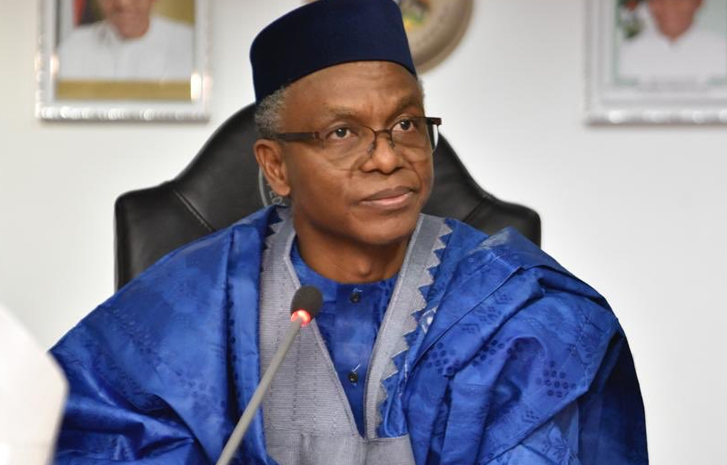
A confidential letter attributed to former Kaduna State Governor Nasir Ahmad El-Rufai has emerged months after the African Democratic Congress (ADC) concluded its gubernatorial primaries in Kaduna State. The letter expresses his dissatisfaction with his exclusion from critical party decisions and casts doubt on the unity of the opposition coalition as the 2027 general election approaches.
Concerns Over Committee Neutrality
Dated May 20, 2026, the handwritten correspondence questions the impartiality of the committee responsible for the gubernatorial primary in Kaduna. In the letter, El-Rufai urges the national leadership of the party to dissolve this committee, arguing that its current composition poses a threat to the party’s electoral success.
Authenticity and Delayed Release of the Letter
While the authenticity of the letter has not been independently confirmed, its timing raises eyebrows. The document only surfaced months after the primary elections, leading to inquiries about why it was withheld from public view at that time.
Address and Grievances of the Former Governor
The letter was directed to several key figures within the ADC, including National Chairman David Mark and National Secretary Rauf Aregbesola, along with copies sent to Kaduna State Chairman Najatu Mohammed and all gubernatorial candidates in the state. El-Rufai emphasizes that decisions made by party leadership jeopardize months of efforts to unify the party in the region.
Rifts Within the Party
In detailing his grievances, El-Rufai expressed particular concern over the composition of the Kaduna State Electoral Commission. He asserted that the current members, including representatives aligned with rival gubernatorial aspirants, lack the neutrality essential for overseeing a credible primary election. Although he provided no supporting evidence, he argued that such a structure could exacerbate divisions within the party and hamper its prospects in Kaduna.
The Impact of Detention on Political Influence
Additionally, El-Rufai lamented his sidelining from key party discussions, attributing this exclusion to his detention. He stated, “Despite my pivotal role in the coalition and efforts to foster inclusivity, my current situation has led to my absence from critical matters in Kaduna.” This absence, he warns, could negatively impact the party’s fortunes in the state.
Proposed Reforms and Political Debate
To address these concerns, El-Rufai proposed the reconstitution of the election committee, recommending that all gubernatorial candidates be represented, alongside select leaders such as Senator Lawal Usman and Senator Khalid. He indicated Dr. Awwal Anwar from Kano State as a suitable chair for the newly formed committee.
Underlying Political Dynamics and Future Implications
The emergence of the letter highlights underlying tensions within the ADC and raises questions about El-Rufai’s political relevance during his incarceration. Analysts note that his inability to engage in crucial negotiations may diminish his influence, even though he retains significant grassroots support. The ADC, regarded as a key contender for power in Kaduna, could see its strength wane if El-Rufai’s supporters believe he has been marginalized.
The letter’s timing, following the gubernatorial primaries, has added layers of intrigue to the situation, provoking questions about whether it signals deep-seated disagreements within the party or an effort by strategists to frame public perceptions of the ADC’s internal dynamics. As the party navigates these complexities amidst ongoing legal challenges, balancing El-Rufai’s political stature with operational needs will be critical for both his future influence and the ADC’s success in the upcoming elections.
