


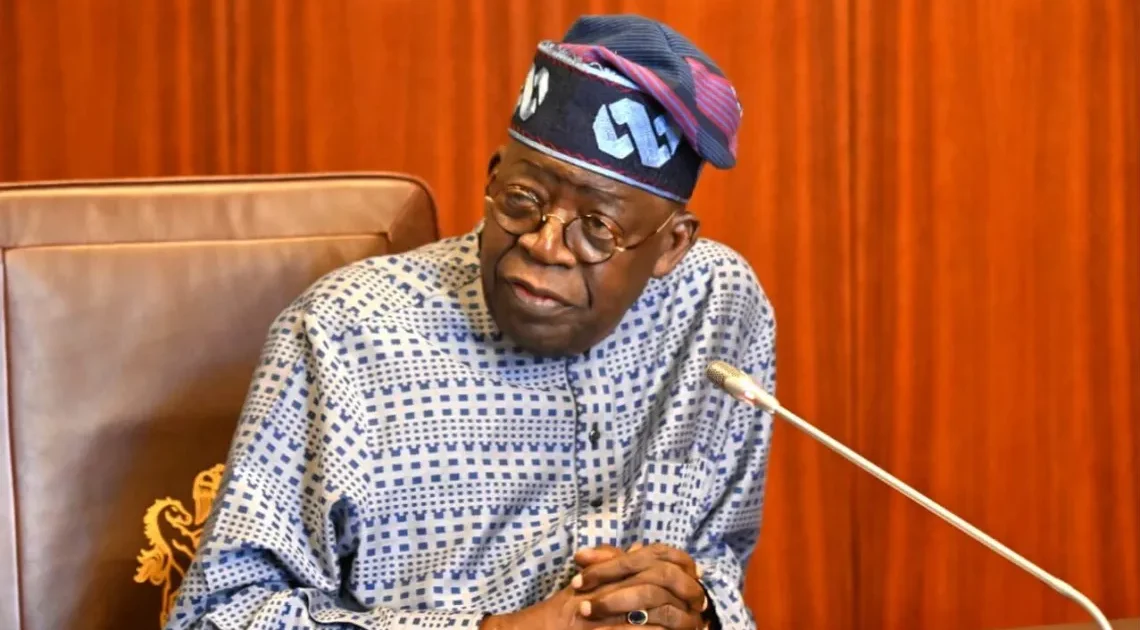
Presidential Directive Launches Investigation into Tech Giants
President Bola Tinubu has instructed the Federal Competition and Consumer Protection Commission (FCCPC) to probe major global technology firms and generative artificial intelligence platforms for potential anti-competitive actions and unauthorized use of content from Nigerian media outlets.
Origin of the Investigation
This initiative stems from a joint appeal presented to the President by the Press Association of Nigeria, which brings together various groups, including the Newspaper Proprietors Association of Nigeria, the Nigerian Union of Journalists, the Broadcasting Authority of Nigeria, and the Corporate Online Publishers Guild.
Impact on Nigeria’s Media Landscape
The directive, relayed to the FCCPC by the Minister of Information and National Orientation, Mohammed Idris, may significantly alter the dynamics between global digital platforms and Nigeria’s media sector. The local media industry has long raised concerns about dwindling revenues and the frequent use of freely available content by technology companies.
Focus of the Investigation
In a statement issued on Monday, Ondaje Ijagwu, the FCCPC’s Director of Corporate Affairs, detailed that the investigation will scrutinize allegations against major players, including Meta, Google (Alphabet), and X, formerly known as Twitter, as well as various generative AI platforms operating in Nigeria.
Concerns from News Organizations
The statement highlighted that these technology companies are under examination for purported anti-competitive practices, improper usage of news content, and other potentially unfair market behaviors. News organizations argue that these practices undermine fair competition and threaten the financial viability of media institutions in Nigeria while infringing on the rights of content creators and publishers.
Commitment to a Fair Investigation
Tanji Bello, Executive Vice Chairman and CEO of the FCCPC, emphasized the commission’s commitment to conducting a thorough, transparent, and evidence-based investigation into the allegations. He affirmed the importance of media to Nigeria’s democracy and stressed the need for fair competition within the digital ecosystem, aligned with local laws.
Broader Implications for Digital Regulation
The investigation aims to determine if the actions in question violate the Federal Competition and Consumer Protection Act of 2018 or any other applicable legislation. The FCCPC will specifically evaluate claims of market domination and potential anti-competitive conduct by global technology companies. Additionally, it will examine allegations of unauthorized data extraction and the commercial use of copyrighted news articles and journalistic content in the development and training of generative AI models.
Global Context of Media and Technology Relations
The FCCPC will also assess complaints from Nigerian publishers regarding inadequate remuneration and the lack of opportunities to negotiate fair commercial agreements for their content. This development reflects a growing global concern about the relationship between media organizations and technology platforms that disseminate and monetize news. In various countries, regulations have emerged requiring digital platforms to negotiate compensation agreements with publishers, exemplified by Google’s agreement to pay South African news outlets approximately $40 million annually as a result of persistent advocacy and investigations.
Looking Ahead
As the FCCPC embarks on this investigation, it underscores the Federal Government’s resolve to ensure compliance by global tech companies with local regulations and to guarantee that Nigerian publishers receive adequate compensation for their contributions to the evolving digital information ecosystem. This inquiry follows a significant ruling against Meta, highlighting the need for accountability in Nigeria’s increasingly complex media landscape.
