


Lawmakers and Experts Criticize Supreme Court Ruling on Haitian TPS
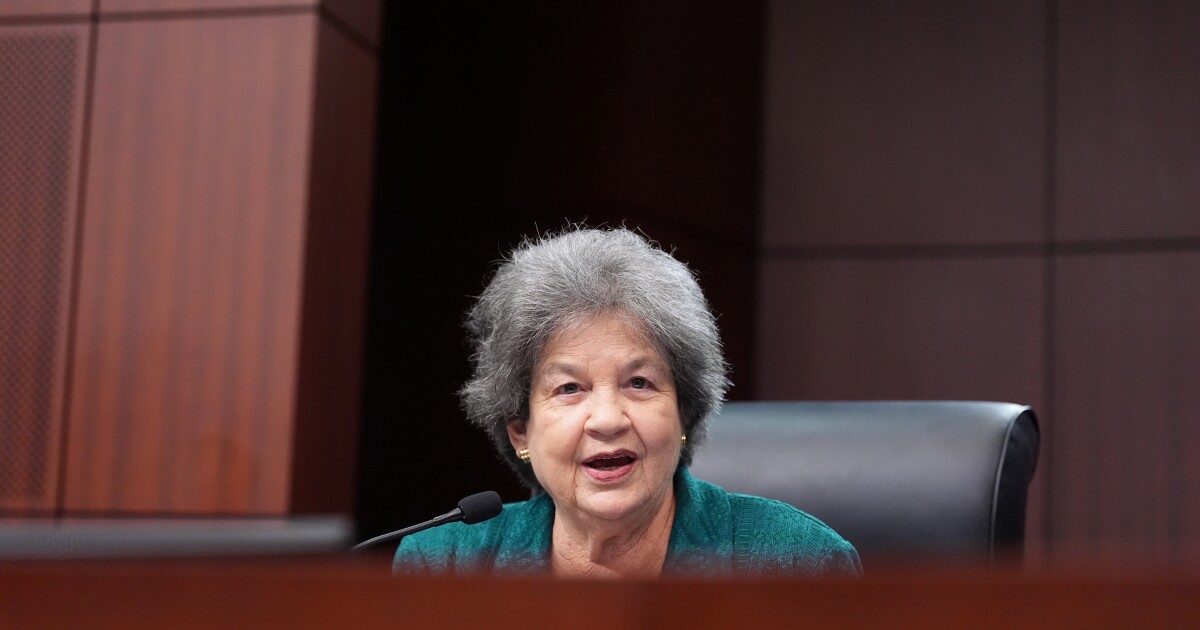
U.S. Representative Lois Frankel, alongside medical professionals and Haitian families, expressed strong opposition on Monday to the U.S. Supreme Court’s recent decision to terminate Temporary Protected Status (TPS) for Haitian nationals. They argue that this ruling will have detrimental effects on both Florida and Palm Beach County’s economy.
Threat to Established Communities
During a news conference held in West Palm Beach, Frankel highlighted how the Supreme Court’s ruling may displace thousands of individuals who have established legal residency in the U.S. “We cannot be a country that turns its back on those who abide by the law, work with dignity, and contribute to stronger communities,” she remarked, making it clear that these individuals are integral to society.
Bona Fide Economic Contributions
Frankel emphasized that the approximately 350,000 Haitian TPS holders—including 113,000 residing in Florida—contribute significantly to the economy, generating $2.6 billion and paying over $300 billion in state and local taxes. She pointed out that many of these individuals play crucial roles in the healthcare sector.
Impact on Workforce
“Thirteen thousand Haitian TPS holders serve as nursing assistants, caring for an estimated 65 patients daily,” Frankel noted. The Florida Restaurant and Lodging Association has conveyed concerns that the abrupt removal of these essential workers could create significant workforce shortages in key sectors.
Call to Action for Haitian TPS Holders
Frankel urged community members and allies to rally in support of TPS holders. State Senator Mac Bernard echoed these sentiments, declaring that the end of TPS for Haitians poses a severe threat to Florida’s economic stability, particularly as many Haitian TPS holders are employed in construction, agriculture, and nursing care.
Legal Guidance Encouraged
Bernard encouraged TPS holders to seek legal counsel tailored to their individual situations. “Consulting with a qualified attorney can provide clarity on next steps,” he advised, underscoring the uniqueness of each circumstance.
Risks of Immigration Fraud
Timothy Patrick Keohane, an immigration attorney and program administrator for Catholic Charities within the Diocese of Palm Beach, reinforced the importance of finding appropriate legal help. “Individuals may easily fall victim to immigration fraud,” he warned, stressing that exploring options like family and employer petitions, as well as asylum, is crucial, although not every case may qualify for relief.
Supreme Court Decision Overview
In a 6-3 ruling last month, the Supreme Court permitted the Trump administration to end legal protections for TPS holders, affecting nearly 350,000 Haitians and 6,000 Syrians. This landmark decision not only invalidated previous court rulings but also expedited the termination of TPS, which provides sanctuary for around 1.3 million individuals from 17 countries facing significant risks such as violence and natural disasters.
The Historical Context of TPS
Established by Congress in 1990, TPS aims to prevent deportation for nationals of countries experiencing natural disasters, civil unrest, or other emergencies. Although TPS allows individuals to remain in the U.S. with work permits for up to 18 months, it does not offer a pathway to citizenship. After the devastating earthquake in 2010, Haitians were granted TPS, which has been extended repeatedly due to ongoing violence that has displaced over 1 million people in Haiti.
