


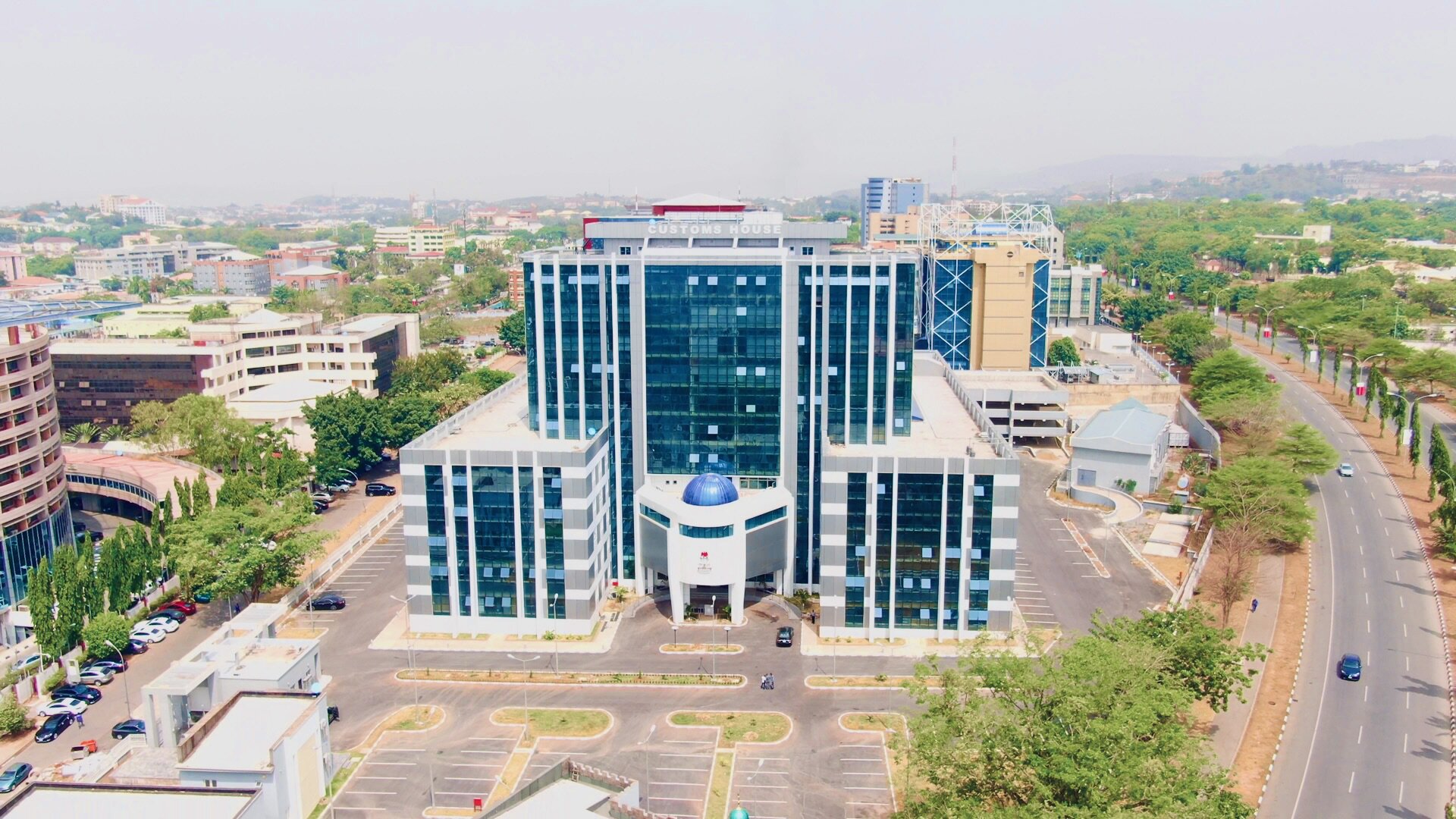
Nigeria Customs Service Announces Significant Import Duty Reductions for 2026
Adewale Adeniyi, the Comptroller General of the Nigeria Customs Service (NCS), recently revealed that the Federal Government has made substantial cuts to import duties for both new and used vehicles as part of its fiscal policy for 2026. This announcement was made during a budget presentation before the House Customs and Excise Committee.
The alteration in import duties includes a reduction for used vehicles from 15% to 5% and for new vehicles from 20% to 10%. Adeniyi stated that these adjustments are intended to invigorate economic activity in the automotive sector, though they may lead to a decrease in customs revenue from vehicle imports.
The implementation of new excise taxes as outlined in the 2026 fiscal policy will also roll out. Adeniyi expressed optimism that these measures will enhance overall revenue despite concerns regarding potential fiscal shortfalls from the automobile sector.
Concerns Raised by Lawmakers
During the session, Alex Mascot from Abia State expressed skepticism about whether the reductions would effectively limit the diversion of cargo by importers to neighboring ports, particularly those in Cotonou. Mascot argued that even with a 5% reduction in fees, many traders might still opt for routes outside Nigeria due to historically high import costs.
In response, Adeniyi confirmed that the revised fee structure had already taken effect as of May. The Chairman of the Committee, Leke Abegide, praised the policy changes, describing them as a significant move in response to public demand for lower vehicle import duties, and he commended President Bola Tinubu’s administration for the approval.
Performance of Customs Revenue in 2025
Adeniyi also reported robust revenue figures for the NCS in 2025, disclosing that the service exceeded its annual revenue target by generating ₦7.258 trillion, an increase of approximately 18.89%. Despite this encouraging outcome, various government policies, including a moratorium on telecommunications excise taxes and the suspension of a proposed green tax, limited revenue collection opportunities during the year.
He highlighted that the promotion of alternative vehicle fuels, such as compressed natural gas and electric vehicles, has also impacted revenues negatively. Furthermore, the NCS granted significant import concessions through Import Duty Exemption Certificates, which further affected tax collections on vital imports.
Projected Revenue Goals for 2026
For the upcoming fiscal year, the Customs Department aims to achieve a revenue target of ₦11.74 trillion. Adeniyi detailed the forecast, which breaks down revenue expectations into various categories, including ₦5.542 trillion for treasury accounts and ₦1.266 trillion from free on board collections.
Strategic Plans to Enhance Revenue Collection
To meet these ambitious targets, the Customs Service plans to expedite the rollout of the Unified Customs Information System, known as B’Odogwu, which aims to enhance operational efficiency through automation. Other initiatives include the expansion of real-time audits for compliance, strengthening collaborations with Authorized Economic Operators, and utilizing geospatial technology to combat smuggling challenges.
Adeniyi emphasized that despite uncertainties in the global trade environment, particularly arising from geopolitical tensions, the implementation of a new excise tax regime and the planned reintroduction of the green tax would bolster revenue collection efforts.
Fiscal Expenditure Proposal for 2026
The proposed budget for the Customs Department in fiscal year 2026 stands at ₦1.235 trillion. This budget will be financed primarily through various revenue streams, including ₦949.86 billion allocated from a 4% free on board share, ₦55.47 billion from a 2% VAT revenue share, and ₦230.04 billion for ongoing capital projects.
The proposal earmarks substantial funding across different categories: ₦421.7 billion for personnel costs, ₦307.77 billion for operational expenses, and ₦565.93 billion for capital investment aimed at enhancing the department’s capabilities.
