


Presidential Task Force Established to Draft National Police Bill
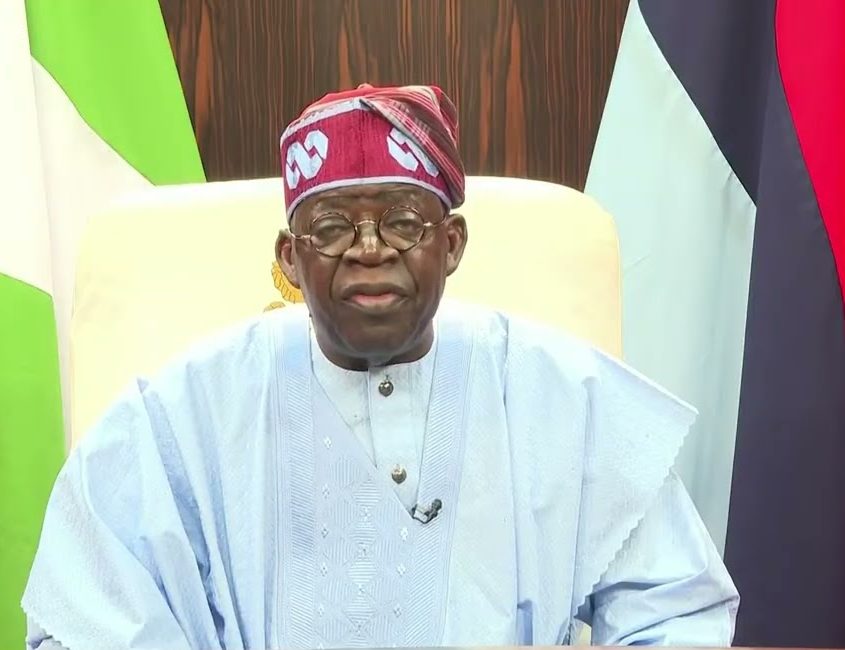
In a significant move towards reforming Nigeria’s policing system, President Bola Tinubu has inaugurated a seven-member Presidential Task Force focused on drafting a National Police Bill aimed at implementing state police across the nation. The launch occurred on Tuesday at the Abuja State House of Assembly, with Chief of Staff Hon. Femi Gbajabiamila representing the president.
Committee Composition and Purpose
Leading the committee will be Mr. Gbajabiamila, alongside key figures such as the Attorney General of the Federation, the President of the Nigerian Bar Association, and the Chairman of the Nigeria Governors Forum, among others. The National Security Adviser, the Inspector General of Police, and the Chairman of the Governors Forum’s Committee on the National Police will also contribute. This initiative follows the recent passage of the Constitutional Amendment (State Police) Bill, 2026, by the National Assembly, which envisions a policing structure that includes both a federal and 36 state police forces.
Framework for State Police Implementation
President Tinubu elucidated that the constitutional amendment will lay the groundwork for state police, while the National Police Bill will provide the necessary legal structures for its activation. He clarified, “The Constitutional Amendment Bill establishes a dual-policing framework, but it does not operationalize it. That work is left to the National Police Bill.” This forthcoming legislation is designed to address essential aspects vital for the effective functioning of the state police system.
Contents of the Proposed National Police Bill
The President highlighted that the proposed bill will encompass provisions related to minimum police standards, state readiness certification, collaboration between federal and state entities, accountability measures, human rights protections, and the financial status of the police forces. This comprehensive approach aims to ensure that the state police can operate effectively and transparently.
Urgency in Legislative Action
Tinubu emphasized the committee’s pressing mandate to produce a bill ready for implementation promptly following the constitutional amendment process. He stated, “We cannot wait until the constitutional process is complete before we begin this important task,” underscoring the need for proactive legislation to avoid delays once the state police bill is passed.
Support from State Governors
Governor Dapo Abiodun of Ogun State, representing the Nigeria Governors Forum, voiced strong support for the swift execution of the proposed reforms. He expressed that once the bill is introduced in state chambers, governors are committed to expediting its passage. Abiodun stressed that the establishment of state police is a response to the public’s longstanding demand for a community-centric policing model.
Significance of Regional Security Efforts
This initiative also reflects the successes of existing regional security concepts, such as Amotekun in the South-West. Abiodun highlighted that the proposed state police would greatly enhance national security by adding approximately 200,000 officers, with each state deploying around 6,000 personnel to complement the federal police force. He praised President Tinubu’s foresight in initiating an implementation plan in advance of the constitutional amendments.
Call for Legislative Cooperation and Safeguards
Federation’s Attorney-General and Minister of Justice, Lateef Fagbemi, remarked on the timeliness of this initiative, given Nigeria’s current security landscape. He urged governors to expedite the ratification of constitutional amendments within their respective state legislatures, asserting that this task is a collective responsibility. Additionally, Afam Osigwe, the President of the Nigerian Bar Association, reaffirmed the group’s support for state police while stressing the importance of legal safeguards to prevent potential abuses. He committed the NBA to collaborate with the committee in formulating legislation that fortifies public safety while upholding citizens’ rights.
