


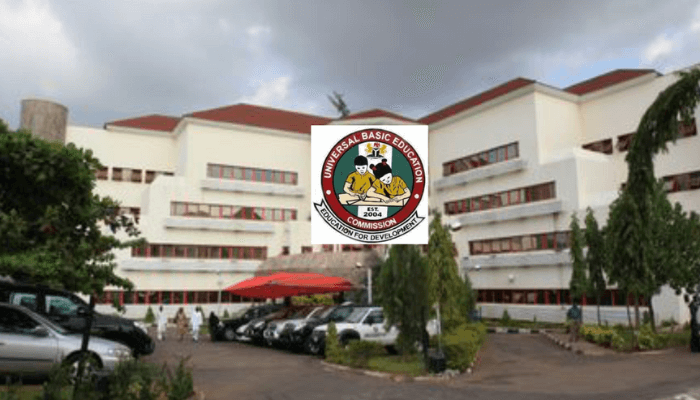
Significant Utilization of Matching Grants for Basic Education in Nigeria
The Universal Basic Education Commission (UBEC) reports that state governments, along with the Federal Capital Territory (FCT), have effectively utilized approximately N234 billion in matching grants dedicated to basic education reform. This progress comes after implementing significant changes aimed at overcoming persistent funding challenges within the education sector.
Improvements in Grant Access
During a recent dialogue session with the Educational Correspondents Association of Nigeria (ECAN) in Abuja, UBEC Secretary-General Aisha Garba detailed that reforms have dramatically decreased the previously inaccessible matching subsidy from over N260 billion to around N26 billion. This change has resolved the longstanding issue that prevented states from withdrawing necessary funds for basic education projects.
Flexibility in Education Funding
Garba emphasized that the enhancements resulted from revising UBEC’s matching grant guidelines, coupled with a restructuring of the Basic Education Action Plan (BEAP). This revised framework now allows each state greater latitude in addressing its specific educational priorities. She noted that many states had been unable to access nearly half of their allocated funding, leaving substantial financial resources dormant in accounts.
Responsive Funding Solutions
The Secretary-General highlighted that the previous funding model had remained largely stagnant for nearly two decades, failing to adapt to the evolving challenges within the education sector. “The previous formula was a one-size-fits-all approach, which did not account for the differing needs across states. We made necessary adjustments to ensure states can deploy funds to meet their unique challenges,” Garba remarked.
Infrastructure and Educational Improvements
As a result of the reforms, states and the FCT have mobilized over N100 billion in previously inaccessible matching grants. This financial injection has led to notable advancements in school infrastructure, including the construction of more than 4,600 classrooms and the renovation of over 6,100 dilapidated structures. Additional improvements include the installation of 2,780 toilets, 678 water wells, and the provision of over 334,000 pieces of classroom furniture nationwide.
Enhancing Teacher Quality and Digital Literacy
Garba pointed out the pressing need to enhance the quality of teaching, which is central to fostering better learning outcomes. UBEC has invested over N20.4 billion in professional development for teachers, benefiting close to one million educators through various training programs in partnership with state Universal Basic Education Boards (SUBEB). Moreover, UBEC is actively expanding digital literacy initiatives, promoting smart schools, and incorporating subjects such as artificial intelligence, coding, and robotics to prepare students for an increasingly technology-driven economy.
Broadening Educational Access and The Role of Media
In line with its objectives, UBEC has distributed more than 7.8 million educational materials, including textbooks and learning resources, particularly in disadvantaged regions, to promote literacy and foundational learning. The Director General also underlined the commission’s commitment to enhancing educational access through various programs, including open schooling and inclusive education initiatives. Garba urged the media to play a constructive role in supporting basic education, emphasizing that achieving lasting change requires a collective effort involving communities, educators, parents, and development partners.
