


Significant Changes at Liverpool Following Departure of Chief Executive
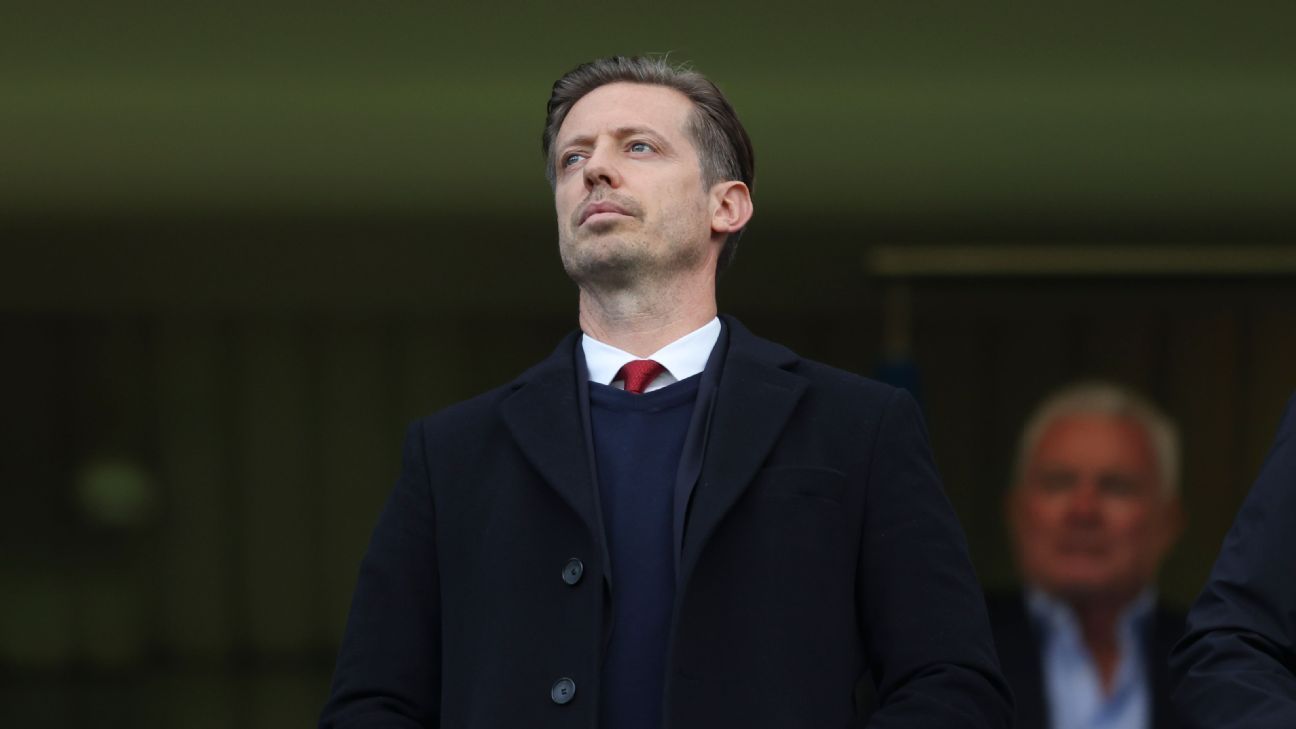
Liverpool is undergoing a substantial transition as the club navigates the departure of Michael Edwards, the football chief executive of Fenway Sports Group (FSG). Edwards, who previously served as sporting director under manager Jurgen Klopp until 2022, returned to FSG in 2024 with ambitions of expanding the ownership’s portfolio by acquiring another club.
Despite having one year remaining on his contract, Edwards has tendered his resignation due to frustrations over the lack of progress toward this goal and plans to leave immediately. His departure comes at a pivotal time for the club, raising questions about the future leadership structure.
Mike Gordon, FSG chairman, is expected to assume a more active role in Liverpool’s daily operations. This shift coincides with a series of changes in the coaching staff, including the appointment of former AFC Bournemouth manager Andoni Iraola, who replaces Arne Slott as head coach. Furthermore, concerns linger regarding the long-term future of sporting director Richard Hughes, who played a critical role in securing the appointment of Iraola due to his connections with Al Hilal in the Saudi Professional League.
In an official statement, FSG characterized Edwards’ departure as part of a “planned transition” aimed at fulfilling strategic priorities. However, sources reveal that the U.S.-based ownership was unable to convince Edwards to remain, as he expressed disappointment over stalled plans to expand the club’s holdings.
FSG had explored opportunities with more than 20 potential clubs, including France’s Bordeaux and Spain’s Malaga, but ultimately chose to postpone those efforts earlier this year. Edwards’ exit adds to the feeling of a changing landscape at Anfield, particularly following the club’s recent success, including a Premier League title in 2025.
Expressing his sentiments, Edwards remarked on the honor of returning to both FSG and Liverpool at such a crucial juncture. He emphasized his belief that the club is positioned for continued success and that strong foundations are already in place. He also acknowledged the support he received from the FSG leadership and highlighted the critical role of supporters in making Liverpool a unique football institution.
As Liverpool navigates this period of upheaval, the focus will shift to how the club consolidates its leadership and strategic objectives moving forward, in a landscape where success is increasingly tied to operational efficiency and effective management.
