


Federal Government Intervenes in Milwaukee’s Mask Ordinance
The Department of Justice (DOJ) has dismissed the city of Milwaukee’s efforts to prohibit immigration officers from wearing masks. In a letter addressed to Mayor Cavalier Johnson and City Attorney Evan Goyk, Assistant Attorney General Brett Schumate and U.S. Attorney Brad Schimel emphasized that enforcing such a regulation would be unconstitutional under the Supremacy Clause of the U.S. Constitution.
Understanding the Supremacy Clause
This Clause, outlined in Article VI of the Constitution, establishes that federal law takes precedence over both state and local statutes. The letter criticized certain state and local governments for imposing “sanctuary policies” that hinder federal immigration enforcement. It specifically highlighted Milwaukee’s mask ban as an example of this obstruction.
Recent Developments in Milwaukee’s Immigration Policy
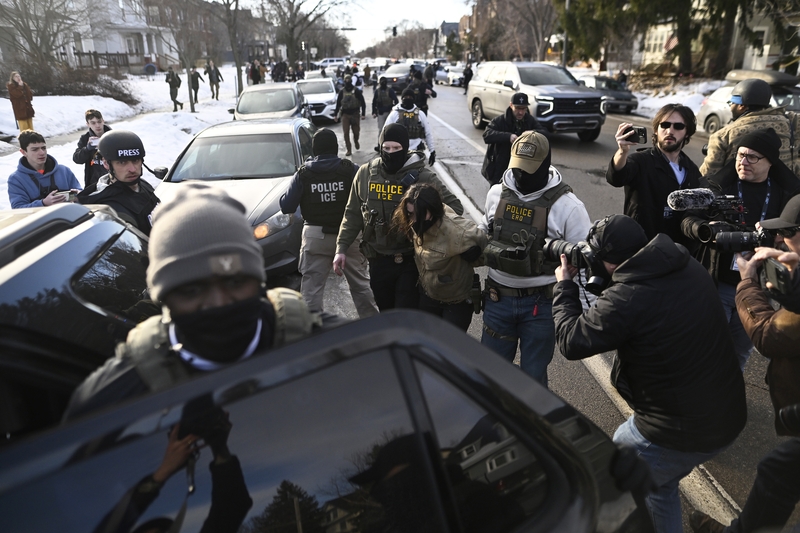
As immigration arrests have surged in recent weeks, Milwaukee officials have introduced a series of ordinances aimed at curbing the actions of federal agents in the city. A significant ordinance restricts employees from wearing masks, intending to ensure that residents are not confronted by unmarked vehicles occupied by masked individuals without visible identification as law enforcement officers.
Concerns Over Officer Identification and Safety
The DOJ’s letter argued that wearing masks is crucial for agents’ protection, preventing potential harassment of them and their families. Masks, which conceal an officer’s identity, are often paired with dark sunglasses and hats. The letter underscored that unauthorized disclosure of officers’ identities might facilitate preemptive actions by suspects trying to evade law enforcement.
Escalating Threats Against Immigration Officers
According to a press release from the Department of Homeland Security (DHS), immigration officers have faced an alarming 8,000% increase in death threats in recent months. The DOJ reiterated that requiring federal immigration officers to identify themselves could jeopardize their safety and hinder their operational capabilities while potentially creating tensions with local law enforcement.
Political Reactions to Federal Law Enforcement
The letter explicitly criticized Mayor Johnson for likening federal officers to the Gestapo, a contentious comparison that has drawn backlash. It urged city officials to publicly commit to refraining from enforcing the mask ordinance by July 17. Johnson represents a growing number of local leaders who have expressed their opposition to the federal government’s aggressive immigration tactics, particularly following violent incidents involving ICE agents.
Community Backlash and Advocacy
Local advocates have documented numerous unsettling encounters with immigration agents, including violent arrests witnessed by children. Such incidents have fueled community outrage, prompting protests and calls for accountability. The recent arrest of a local individual, who claimed that agents acted aggressively, has further spurred discussions about the appropriateness of the mask ordinance.
Legal Implications and Future Actions
The unfolding situation raises intricate questions regarding the legal jurisdiction of local versus federal law enforcement. A report from the University of Wisconsin Law School emphasized the need for clarity on how state and local laws interact with federal mandates. The City Attorney’s Office has yet to respond to the DOJ’s letter, leaving the next steps uncertain. Meanwhile, a spokesperson for Mayor Johnson reiterated concerns about the actions of federal immigration officials, stressing the need to rebuild public trust.
