


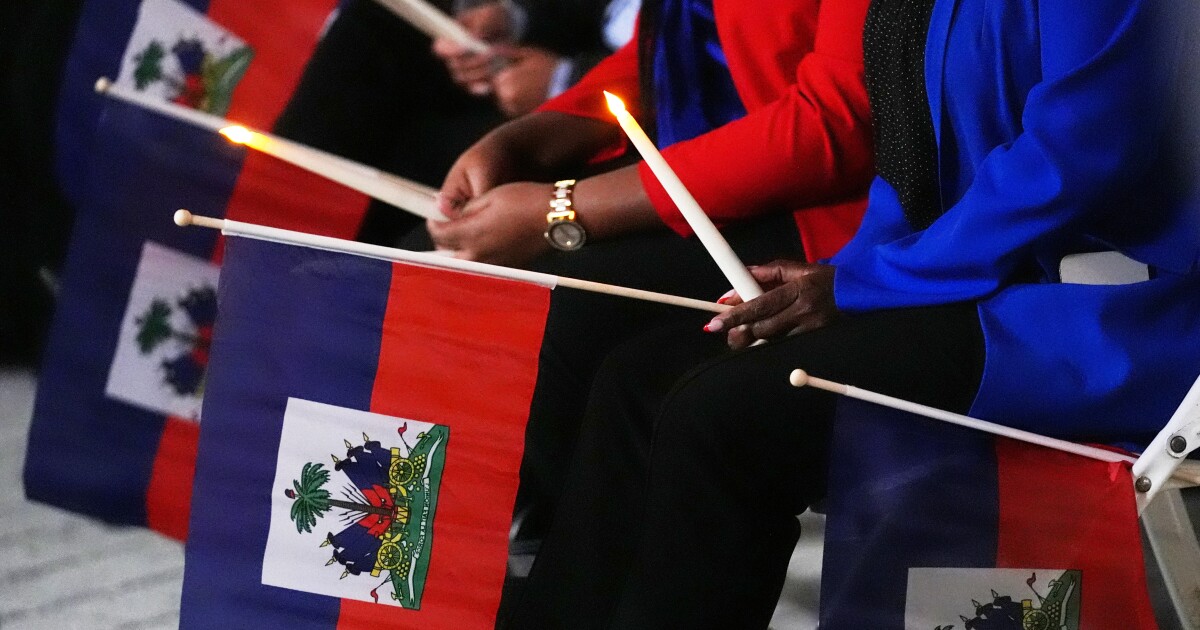
Changes in Work Authorization Impacting Immigrants
Recent policy changes by the Department of Homeland Security (DHS) are set to affect tens of thousands of immigrants who have been working legally in the United States. Following a ruling by the Supreme Court, the Trump administration’s decision to terminate the Temporary Protected Status (TPS) program for residents from countries including Haiti and Syria has raised concerns for those affected.
DHS Extends Work Authorization Temporarily
On Friday, the DHS announced a short-term extension of work authorization for individuals from seven countries whose TPS designations have been revoked. The extensions range from one to two weeks, pushing back the expiration dates for work permits as follows:
- Ethiopia: Extended until July 17, 2026
- Somalia: Extended until July 17, 2026
- Haiti: Extended until July 24, 2026
- Burma: Extended until July 17, 2026
- Syria: Extended until July 17, 2026
- Yemen: Extended until July 17, 2026
- South Sudan: Extended until July 17, 2026
Understanding Temporary Protected Status
Temporary Protected Status allows individuals fleeing violence and instability in their home countries to live and work legally in the U.S. However, with the expiration of work permits approaching, some state leaders, such as Ohio Governor Mike DeWine, have voiced their apprehensions about the ramifications of these changes.
Concerns from Local Leaders
Governor DeWine highlighted the positive impact that some TPS holders have had in Ohio, particularly the Haitian community. “Today’s decision is a legal decision,” he stated. “As I’ve said before, the policy of removing these people from this country is wrong. Changing their immigration status is not in the best interest of the United States or Ohio.”
The Human Impact of Policy Changes
Affected individuals, like Viles Dorsainvil, a TPS holder from Haiti, are facing uncertain futures. Dorsainvil expressed concern for his neighbors in Springfield, Ohio, who are suddenly unable to provide for their families. “This creates more fear because people are living paycheck to paycheck,” he said, emphasizing the stress on those struggling to find work.
Community Perspectives on Immigration
Springfield’s local dynamics have drawn attention in the past, particularly when then-candidate Trump made controversial statements regarding the Haitian community. However, leaders like Republican Charles Patterson argue that immigrants have played a crucial role in revitalizing the city, stating, “Since 2020, our community has come back. Our community has expanded.”
Community Support for Haitian Immigrants
A coalition of religious leaders has pledged to offer shelter for Haitians if necessary. Pastor Carl Ruby, founder of G 92 and Springfield Neighbors United, articulated their stance against deportation of individuals facing dire circumstances if returned to Haiti. “Christians are called to serve and protect those in need,” Ruby emphasized, echoing a moral imperative to support vulnerable populations.
The Broader Impact of the Supreme Court Ruling
The Supreme Court’s decision to revoke TPS for individuals from Ethiopia, Burma, South Sudan, Yemen, Somalia, Syria, and Haiti could affect around 350,000 people. While the State Department advises against travel to six of the seven affected countries, DHS maintains that it is safe enough for TPS recipients to return home.
