


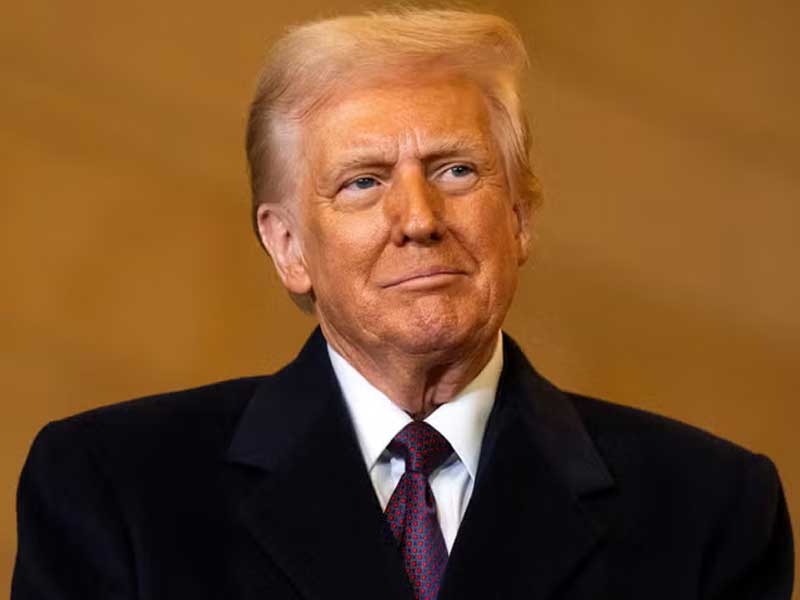
Trump Issues Stark Warning to Iran Amid Heightened Tensions
US President Donald Trump has issued a stark warning to Iran, stating that the United States would “completely destroy” the nation if Iran attempts to assassinate him. Despite ongoing diplomatic negotiations, Trump’s remarks underscore escalating tensions between the two countries. In a post on his Truth Social platform, he emphasized that the US military is prepared to launch a substantial retaliatory strike against Iran should there be any assassination attempts.
Military Preparedness Announced
In his post, Trump claimed, “1,000 missiles are locked, loaded, and headed toward the Islamic Republic of Iran.” He further asserted that if the Iranian government acts on its threats against the sitting president, “thousands more will follow immediately.” The commander-in-chief declared that the US military stands ready to enact a complete destruction of Iran, indicating that operational orders have already been put in place.
Diplomatic Discussions Amid Hostility
Trump’s aggressive statements come despite a willingness to continue negotiations with Iran, which he insists are no longer bound by a ceasefire agreement between the two nations. He noted, “The Islamic Republic of Iran asked us to continue talks, which we agreed to, but the US told Iran in no uncertain terms that the ceasefire is over.” In response, Iranian officials dispute Trump’s narrative, insisting they remain committed to the memorandum of understanding they signed with the US last month.
Iranian Leaders Respond
Iranian Foreign Minister Abbas Araghchi countered Trump’s claims, asserting that Iran has upheld its part of the deal while accusing the US of violating its commitments. He remarked, “The Islamic Republic of Iran has so far kept its promises. Reality check: there can only be mutual compliance.” Araghchi pointed out that the US has breached agreements that prevent it from imposing new sanctions or deploying additional military forces during ongoing negotiations.
Concerns Over Regional Stability
Since signing the agreement, diplomatic initiatives have struggled to gain traction, with only one round of direct talks held in Switzerland. The exchange of threats between the two nations has compounded fears of a wider regional conflict and reignited military tensions, especially following recent attacks that have undermined the already fragile understanding.
A Call for Retaliation
Tensions further escalated yesterday when Iranian Supreme Leader Mojtaba Khamenei vowed to avenge the killing of his predecessor, Ali Khamenei, who allegedly died in a US-Israeli attack in late February. In his inaugural public address, the new leader emphasized that revenge is a national imperative and will not depend on the presence of officials. Khamenei also revealed that Iran is compiling a list of individuals targeted for retaliation, signaling a drastic deterioration in relations between the two countries.
Continued Efforts for Diplomacy
Despite the inflammatory rhetoric, mediating nations such as Qatar, Oman, and Pakistan are striving to rekindle negotiations and avert a full-scale conflict. Araghchi arrived in Oman yesterday to discuss the future of the critically important Strait of Hormuz, a key waterway for global oil shipments. Its closure has previously caused significant disruptions and remains a major hurdle to achieving a lasting agreement between the US and Tehran.
