


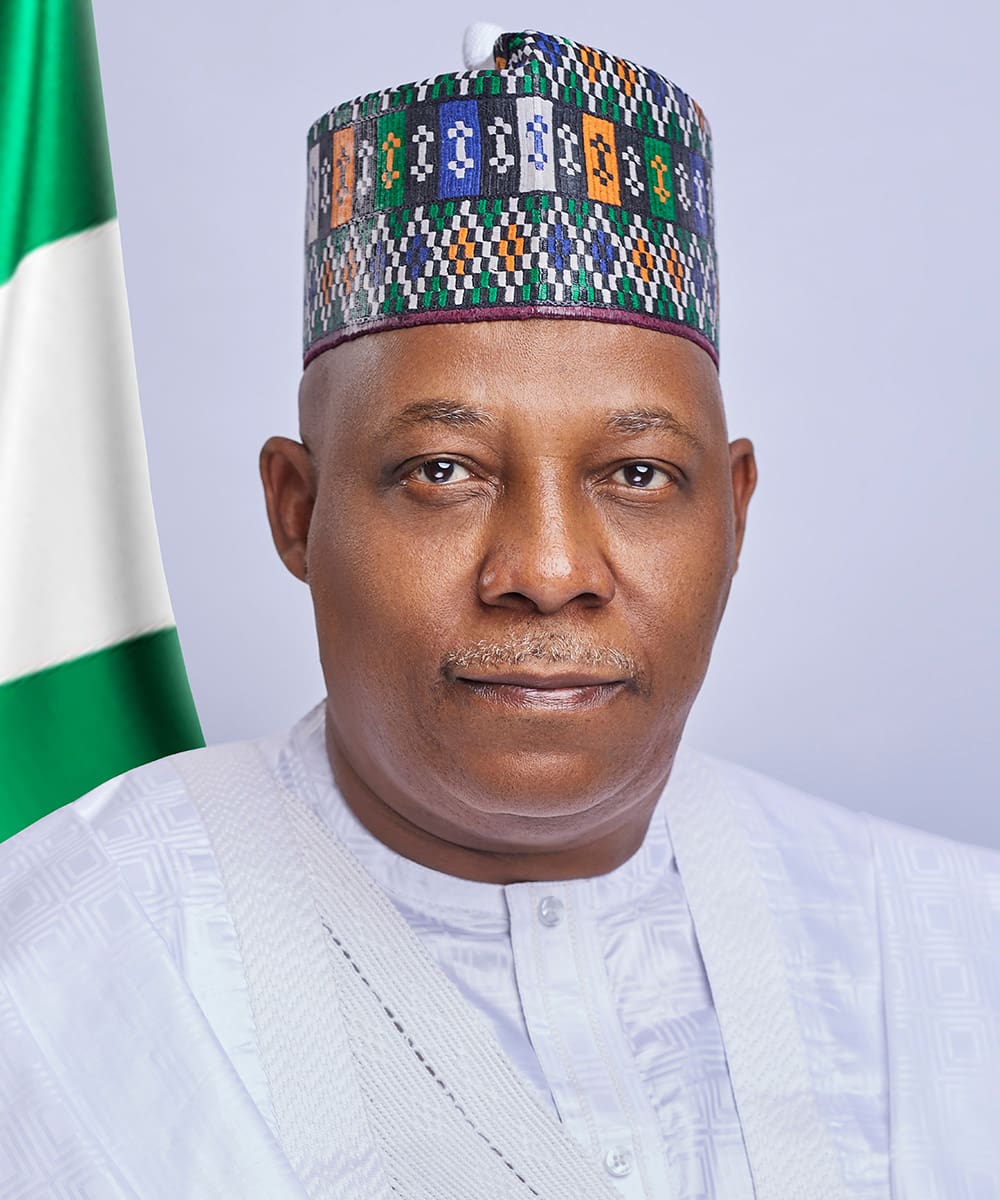
Tinubu’s Political Strategy: Retaining Shettima for 2027 Election
President Bola Ahmad Tinubu’s decision to keep Vice President Kassim Shettima as his running mate for the 2027 presidential election reflects a calculated approach to Nigeria’s complex political landscape. By opting for continuity rather than introducing uncertainty into an already established partnership, Tinubu signals his commitment to coalition building and balance in a multifaceted electoral environment.
Calculating the Numbers in Nigerian Politics
In Nigeria, presidential politics is a game of numbers and alliances rather than emotional appeals. Major decisions are assessed against a singular goal: assembling a wide-ranging coalition necessary for electoral victory. From this standpoint, retaining Shettima appears to be the most pragmatic path for the president, as it consolidates support across diverse voter bases.
Shifting Focus from Controversy Over Muslim-Muslim Tickets
One immediate advantage of this decision is the reduction of controversy surrounding the Muslim-Muslim ticket issue. The All Progressives Congress (APC) faced considerable backlash when it nominated two Muslim candidates for the 2023 presidential election, raising concerns about religious inclusivity and national representation. However, over three years into Tinubu’s presidency, the fervor surrounding this debate has diminished significantly. By keeping Shettima in place, Tinubu has effectively neutralized a recurring theme that could potentially bolster his opponents.
Navigating Nigeria’s Geopolitical Terrain
Beyond the religious discussions lies a more sensitive issue: Nigeria’s geopolitical balance. A switch in vice presidential candidates could have been perceived as marginalizing the North West, the country’s largest voting bloc, thus reigniting tensions around representation and fairness. Conversely, selecting a running mate from the Northwest would likely alienate stakeholders in the Northeast, a region that provided the current vice president. Such a choice could undermine support in an area critical to the APC’s electoral strategy.
Critiquing Proposals for a Muslim-Christian Ticket
Discussions have emerged advocating for a northern Christian vice presidential candidate to create a Muslim-Christian ticket. While this idea may appeal to those prioritizing religious balance, it often neglects the pragmatic realities of electoral strategy in Nigeria. For a southern Muslim presidential candidate, collaborating with northern Christians may not yield the necessary voter support across the North. Historical evidence suggests that success hinges on building alliances and understanding regional dynamics rather than merely addressing symbolic concerns.
Maintaining Stability and Confidence
Tinubu’s political career underscores the importance of strategic decision-making over emotional responses. For decades, he has skillfully navigated the complexities of Nigeria’s political scene, focusing on coalition-building and long-term stability. Retaining Shettima aligns with this philosophy, allowing for a continuation of their joint efforts to solidify the APC’s national presence.
Projecting Unity Ahead of 2027 Elections
Since assuming office, Tinubu and Shettima have fostered relationships across government and reinforced the APC’s political framework. Replacing the incumbent vice president would likely prompt speculation about internal divisions, providing fodder for opposition narratives. By keeping Shettima, Tinubu fosters an image of stability and confidence, enabling the APC to approach the upcoming elections with a united front.
In summary, navigating Nigeria’s electoral realities and geopolitical sensitivities, President Tinubu’s decision to retain Kassim Shettima not only avoids controversy but also emerges as a politically astute strategy for maintaining coalition strength and winning broad national support.
Zaiyad I. Muhammad, Abuja
