


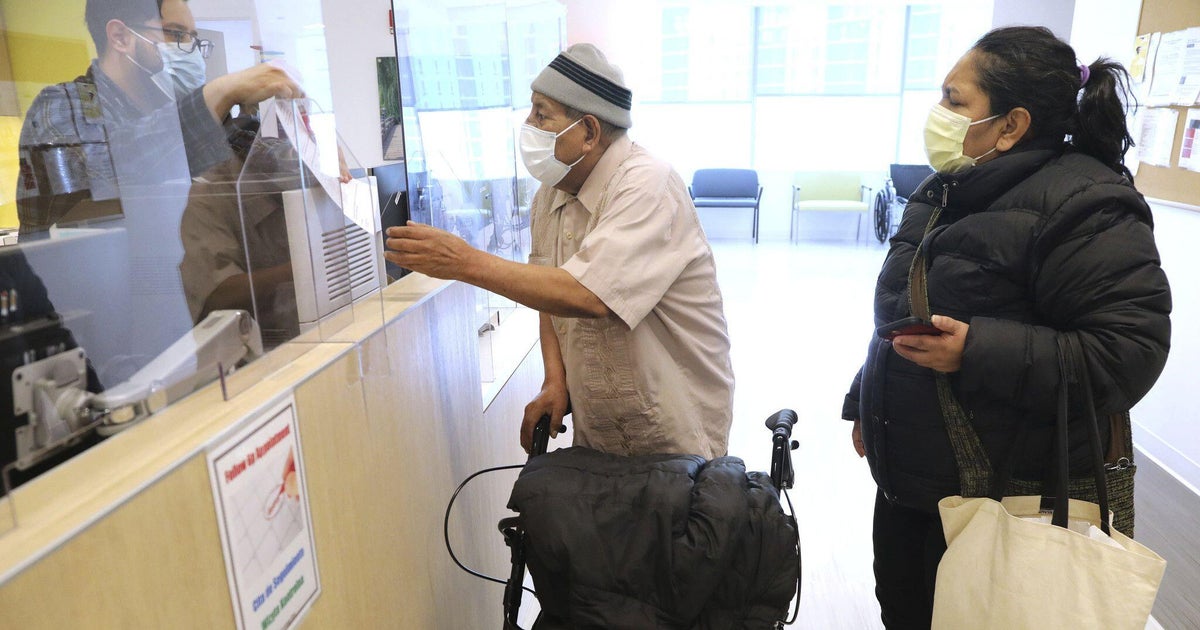
In a significant policy shift, the Trump administration is set to allow immigration officials to reconsider the eligibility of green card applicants based on their use of taxpayer-funded benefits. Each year, hundreds of thousands of green card applicants are potentially impacted as authorities evaluate whether these individuals have utilized programs such as Medicaid, food stamps, and housing assistance, which could influence their quest for permanent residency.
The Department of Homeland Security (DHS) is preparing to overturn a 2022 regulation from the Biden administration that refined the application of long-standing “public charge” tests. This immigration screening tool serves to assess whether applicants might require government assistance. Officials from U.S. Citizenship and Immigration Services (USCIS) have indicated that the forthcoming changes will potentially affect a vast number of applicants seeking green cards within the United States.
This alteration could significantly affect immigrant families who might shy away from accessing vital medical, food, and housing assistance, even when they or their U.S.-citizen children are eligible. Such apprehensions could lead to broader community ramifications, as families opt against utilizing critical support systems fearing negative consequences for their immigration status.
Changes to the Public Charge Rule
Current federal immigration law permits the government to deem some individuals inadmissible if they are likely to rely on public assistance “at any time.” A rule introduced during the Biden administration in 2022 restricted the benefits DHS could consider primarily to federally-funded cash welfare programs designated for basic living needs and long-term institutional care.
The new final rule reinstates the expansive discretion previously held by Immigration and Naturalization Services during the Trump administration. This allows for comprehensive individual assessments, taking into account an applicant’s age, health, family circumstances, financial assets, education, skills, and eligibility for means-tested taxpayer benefits. USCIS officials have clarified that this includes a range of assistance such as food stamps, Medicaid, and housing support.
According to USCIS Director Joseph B. Edlow, this shift reaffirms a commitment to self-reliance and the protection of public resources, emphasizing the need for immigrants to maintain financial independence. The new guidelines reflect a strong return to principles established during the Trump era, highlighting that immigrants are expected to be self-sufficient.
Impact on Immigrant Populations
This rule is applicable to noncitizens in the U.S. who seek to adjust their status to lawful permanent residency or those looking to enter the country as immigrants or nonimmigrants unless specifically exempted by Congress. Historical exemptions include various humanitarian categories such as refugees, asylees, certain trafficking victims, and self-petitioners under the Violence Against Women Act (VAWA).
According to DHS estimates, the November 2025 proposal could mean about 588,000 status adjustment applicants will undergo public charge reviews annually, without accounting for those applying for visas from abroad or seeking entry at the border. The changes might foster a “chilling effect,” pushing roughly 950,000 immigrant households to forgo public benefits due to apprehensions about their immigration cases.
USCIS has assured that benefits received by a family member will not be directly attributed to the applicant, but they may be considered as part of the applicant’s financial picture, particularly if the financial strain on the household is indicated. This nuanced approach raises further questions regarding the practical implications for immigrant families.
Effective Date and Implementation
The new rules are expected to be available for public inspection shortly and could take effect as early as next week. For claims submitted before this effective date, USCIS will only consider means-tested benefits received post-implementation. As a result, prior benefits will only be relevant if they involve public cash assistance for income maintenance or long-term care at the government’s expense.
Concurrent with the rule, USCIS plans to introduce an updated Form I-485, essential for individuals seeking adjustment of status or residency. Any older versions sent or submitted electronically after the rule’s activation will be deemed unacceptable.
Historical Context of the Public Charge Test
The public charge assessment has been an integral aspect of U.S. immigration law for decades, yet its application has become increasingly contentious. Preceding the first Trump administration, DHS adhered to a 1999 framework that narrowly defined public charge considerations, typically focusing on cash welfare and government-funded long-term care without extensive examination of benefits like Medicaid, food stamps, and housing assistance.
However, the 2019 Trump administration’s rule significantly broadened the scope of the public charge test, permitting officials to evaluate a wider array of public benefits, including SNAP and Medicaid, alongside applicants’ income and overall circumstances. Following a series of legal challenges, the Supreme Court allowed this rule to remain in effect during ongoing litigation, leading to enforcement commencing in February 2020. Once President Biden took office, DHS halted the defense of these broader criteria, reinstating the narrower approach from 1999.
Without formal denials being widely reported, such as the adjustments made between 2020 and 2024, the extent to which the new rule may impact families remains to be fully understood. During the 2019 regulation period, DHS registered only limited formal denials, suggesting the chilling effect on risk-averse families could significantly overshadow the practical outcomes of the rule.
Looking Ahead
The Trump administration’s rationale for these new guidelines emphasizes a return to a historically stricter self-sufficiency interpretation within immigration law. Nevertheless, this update is likely to invite scrutiny from immigration attorneys, state agencies, healthcare providers, and immigrant advocacy groups. Although the rule maintains Congressional exemptions, questions remain about which benefits will be included and how data-sharing will be managed for validation. Moreover, the training provided to officials nationwide to ensure consistent application of the rules across various jurisdictions is still undefined.
The implications of this rule, particularly for immigrant families, could be profound. As barriers to accessing essential services grow more formidable, families may find their paths to obtaining permanent residency in the United States increasingly fraught with uncertainty.
