


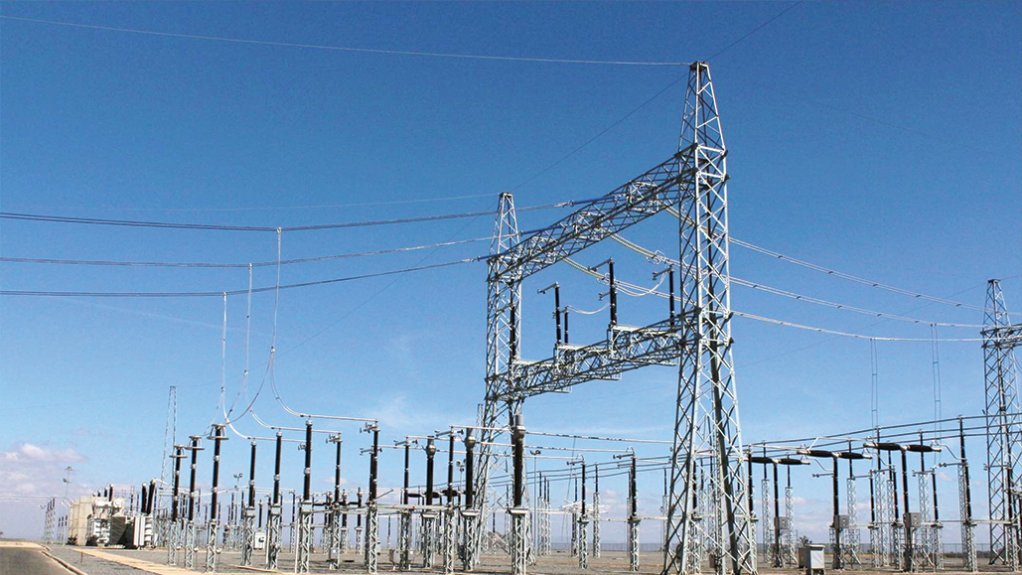
Energy’s Role in Africa’s Industrial Transformation
Power access in Africa transcends infrastructure challenges; it is fundamentally intertwined with economic growth since industries require reliable, affordable, and sustainable energy solutions. Without energy security, industrial competitiveness remains elusive. The renewable energy sector, in particular, offers a significant opportunity for industrial advancement across the continent.
Leveraging Demand for Investment and Growth
Karin Rees-Heimborough, Program Manager for Energy Efficiency for Sustainable Livelihoods in Africa at the United Nations Industrial Development Organization (UNIDO), emphasized that understanding and consolidating industrial demand is crucial for attracting investments in energy systems. This strategy can foster markets for local manufacturers and suppliers. Addressing attendees on July 14 at the Manufacturing Indaba, Rees-Heimborough highlighted Africa’s potential to evolve from merely exporting raw materials to embracing manufacturing and becoming an integral player in global and regional supply and value chains.
Global Energy Transition and Industrial Opportunities
The global energy transition presents a rare opportunity for Africa’s industrialization, given the continent’s abundant renewable resources and its growing appetite for clean energy technologies. Africa not only possesses the critical minerals essential for this transition but also has a unique position to build industries that could capitalize on global shifts. The current demand for solar power, batteries, electric mobility solutions, and energy-efficient appliances is rapidly expanding within the continent.
Fostering Innovation and Manufacturing Capacity
Rees-Heimborough pointed out that while resource endowment is valuable, the nations that extract the most advantage from the energy transition are those capable of innovating, manufacturing competitively, and adhering to rigorous quality standards. The successful transformation of Africa’s resource advantages into industrial benefits depends on fostering local capacities and capabilities.
Regional Integration and Industrial Hubs
Duncan Bonnet, Director of Market Access and Research at Africa House, discussed the current trajectory of industrial development in Africa, urging for acceleration of the process. Companies like Dangote Industries are taking notable steps by establishing an oil refinery and fertilizer plant, creating a supporting engineering industry around them. Large-scale projects, such as Angola’s Lobito Corridor, which connects the Lobito port to the Copperbelt region in the Democratic Republic of the Congo (DRC) and Zambia, also highlight opportunities for localized industrial growth along trade routes.
Transforming Corridors into Industrial Opportunities
Bonnet noted that transport corridors could foster regional value chains, making market access cheaper and more efficient. Development finance institutions are encouraged to invest in manufacturing initiatives tailored to regional demands. Rees-Heimborough further emphasized that the success of these corridors hinges on establishing industrial hubs along the routes—a vision UNIDO is actively pursuing through its Global Coalition on Sustainable Industrial Hubs initiative. This project aims to transform industrial zones into sustainable hubs that leverage renewable energy systems, thus enabling innovation and manufacturing at various levels.
Ensuring Access to Resources for Growth
Ashu Sagar, former president of the Zambia Manufacturers Association, stressed the importance of utilizing local resources for industrialization. He pointed out the inconsistency in pricing for domestically mined minerals, like copper, which are sold at international prices rather than benefiting local industries. By reserving 5% to 10% of domestically mined minerals for local use, countries can cultivate skills and markets for value-added products. Enabling truly competitive access to resources is crucial for job creation and economic development across the continent.
