


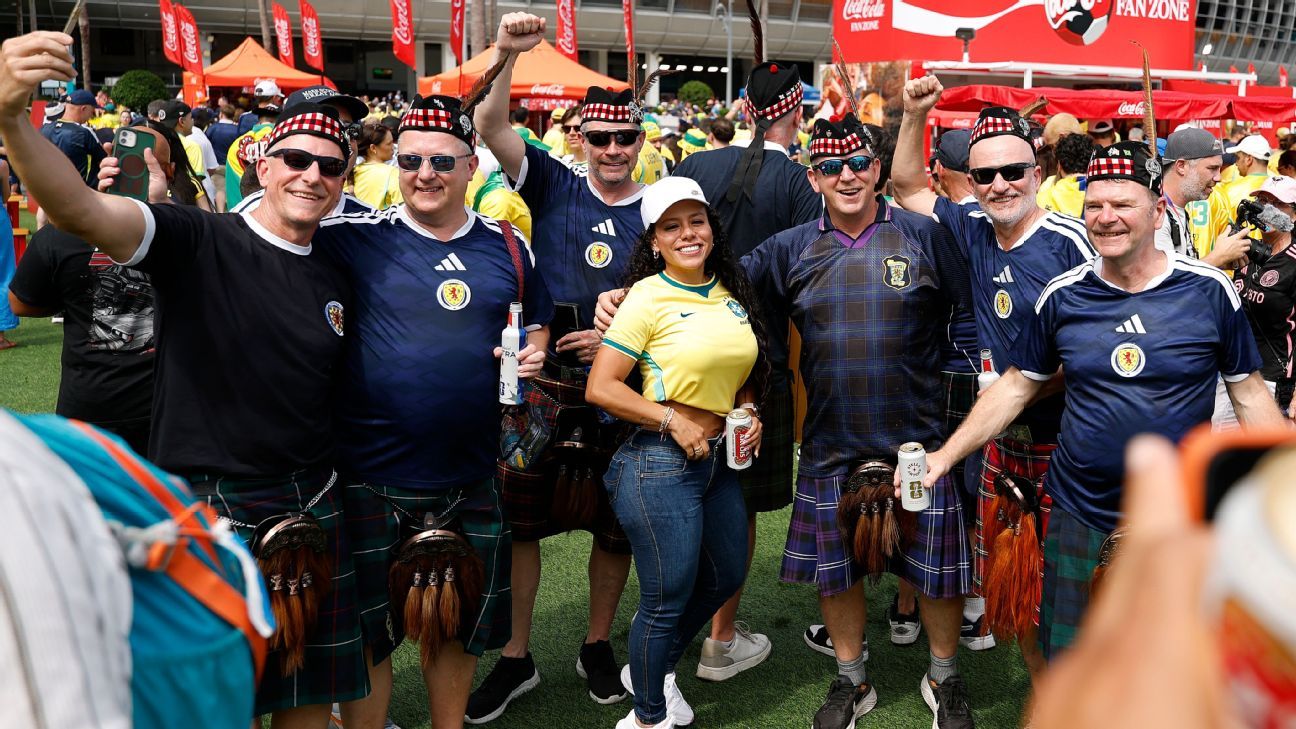
The FIFA World Cup has significantly boosted beer sales across the United States, with Boston establishments reportedly requiring emergency deliveries on match days to keep up with demand. According to tournament organizers, fans consumed 290,000 beers in stadiums during the six matches held in Philadelphia.
However, this surge in sales masks a looming challenge in the global beer market. Beer consumption is declining worldwide, and it remains uncertain if the World Cup, co-hosted by 16 cities across three countries this year, can reverse this trend.
Shifting Drinking Habits
Beer sales in the United States have been on a downward trajectory for the past decade, as reported by the Brewers Association, a leading trade group for craft brewers. A similar pattern has emerged in Canada, according to the Office for National Statistics, and the European Brewing Industry Association highlights comparable declines throughout the European Union.
Consumers are increasingly favoring “wellness” beverages over traditional beers, as health-conscious individuals cut back on alcohol consumption. In a Gallup poll conducted last year, 53% of Americans indicated that they believed drinking one or two alcoholic beverages daily was detrimental to their health.
Amidst this changing landscape, fans from around the world gathered at World Cup venues to support their national teams, immersing themselves in the shared experience of celebration and camaraderie.
Despite initial surprise at the high prices for alcoholic beverages in the U.S., beer sales in bars, restaurants, and stadiums across host cities climbed 14% in the tournament’s first four weeks compared to the previous year, according to the Beer Association. This uptick extended beyond local venues, with national sales showing an overall increase of 4%.
Jim Koch, the founder and CEO of Boston Beer Co., which produces popular brands like Samuel Adams, described the overwhelming demand as Scottish fans descended on the city. He noted that during peak times, they were serving Boston Lager every 12 seconds, and highlighted the vibrant social interactions among patrons.
This scene stands in stark contrast to the Qatar World Cup four years earlier, where the sale of alcoholic beverages was banned at match venues.
Marketing Strategies to Boost Sales
Major beer distributors had a strong presence at this year’s tournament, with AB InBev, producers of Budweiser and Michelob Ultra, serving as the official beer sponsor. The company supported local bars with marketing initiatives and hosted viewing parties for over 200,000 fans in 40 countries.
Additionally, Molson Coors announced a 60% increase in its marketing budget for June and July this year compared to the previous year, along with the introduction of a limited edition soccer ball designed to hold 12 cans of Miller Lite.
Even before the tournament concluded, declining beer consumption was forecasted for some markets, as shares of AB InBev and Constellation Brands experienced a drop following the elimination of Mexico and Brazil from the competition.
Industry experts remain hopeful that the World Cup will reignite enthusiasm for social drinking, particularly with the upcoming 2028 Summer Olympics in Los Angeles on the horizon. They point to a shift in scheduling, with more college and professional football games being held on weeknights. Additionally, the expansion of beer’s consumer base is evident as brands increasingly launch lower-alcohol and non-alcoholic options.
In a significant change, the NCAA recently lifted its longstanding ban on alcohol advertising during March Madness, allowing beer, wine, spirits, and hard seltzer brands to sponsor college basketball tournaments for the first time next season.
Koch expressed confidence in the beer industry’s resilience. He acknowledged concerns about declining sales but emphasized that beer has deep historical roots, having been a part of human culture for over 10,000 years. He believes that beer continues to enhance life and social interactions.
The North American World Cup is set to conclude on Sunday, with Spain facing Argentina in the final match in East Rutherford, New Jersey. Before that, the third-place match will take place the day prior in Miami Gardens, Florida, featuring semi-final losers England and France.
Information from The Associated Press contributed to this report.
