


Expansion of Africa’s Fashion Industry Drives Demand for Entrepreneurial Talent
Africa’s vibrant fashion industry is witnessing significant growth, creating an increased need for entrepreneurs who can effectively merge creativity with business savvy. The recent graduation of the inaugural class from the Ananse Center for Design’s Fashion Incubation Program signals a promising new wave of founders poised to turn innovative concepts into commercially viable brands.
Graduation Marks a Significant Milestone for Emerging Fashion Creators
More than 30 emerging fashion entrepreneurs have successfully completed the Ananse Center for Design’s first Fashion Incubator Scholarship Program in Lagos. This achievement highlights the organization’s commitment to nurturing the next generation of globally competitive fashion enterprises in Africa. According to a report by UNESCO, Africa exports textiles, clothing, and footwear worth $15.5 billion annually while importing $23.1 billion in finished apparel, underscoring the continent’s reliance on foreign production.
New Entrepreneurs Set to Contribute to a Growing Fashion Economy
With the African fashion economy estimated at over $31 billion, a new generation of talented entrepreneurs is emerging. The graduates from the Ananse Center for Design are prepared to take on this opportunity, equipped with the necessary skills to thrive in an expansive market.
Comprehensive Training Prepares Graduates for Industry Success
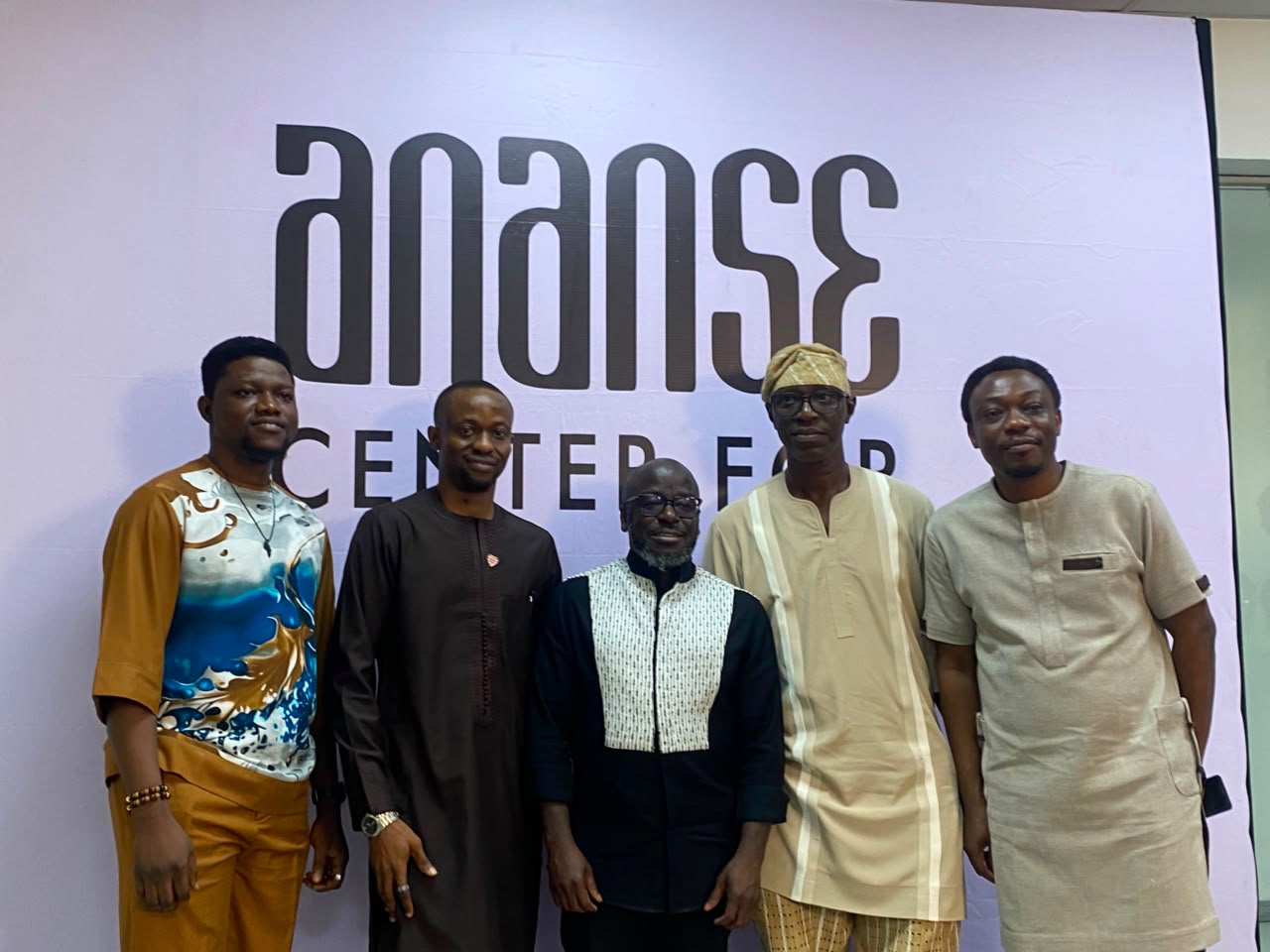
Samuel Mensah, founder and CEO of Ananse Africa, revealed that the organization has trained over 7,000 creators through its year-long program and currently supports more than 700 designers on its e-commerce platform across Nigeria, Ghana, Kenya, Senegal, Côte d’Ivoire, and South Africa. The graduation event, held at the Ananse Design Lagos Center in Ikate, Lekki State, celebrated participants who entered the program with minimal industry experience and completed one of Nigeria’s most exhaustive fashion incubation initiatives.
Hands-On Experience Cultivates Practical Business Skills
Throughout the program, graduates received extensive hands-on training covering various essential areas, including fashion design, leatherwork, production quality assurance, sustainability, product development, entrepreneurship, branding, and e-commerce. This comprehensive training equips them with both the practical skills and commercial knowledge needed to establish and run successful fashion businesses.
Runway Showcase Highlights Talent and Creativity
The graduation ceremony featured an impressive runway show displaying original collections designed and created by the graduates. This event not only highlighted their creativity and craftsmanship but also underscored the entrepreneurial spirit cultivated during the program.
Commitment to Post-Graduation Support and Market Access
During the ceremony, Mensah emphasized Africa’s abundant talent pool, stating that the primary gap lies in access to world-class training and commercial opportunities. He stressed that the Ananse Design Center aims to bridge this gap by equipping entrepreneurs with the technical skills, business expertise, production capabilities, and market access needed to build sustainable brands. Onome Umukoro, Country Leader for Africa Hub, echoed this sentiment, stating that the graduation represents a new beginning rather than an endpoint. Graduates will continue to benefit from Ananse’s expansive ecosystem, offering opportunities to produce, create content, and tap into emerging markets.
The Fashion Incubator Scholarship Program, in collaboration with the Mastercard Foundation, ISHK Tolam Foundation, and TVET, is designed to enhance youth opportunities while bolstering Africa’s creative economy. Graduates will maintain connections to Ananse’s resources, including production facilities and digital commerce platforms, facilitating their transition into commercially successful enterprises. Ananse is dedicated to investing in the infrastructures, educational frameworks, and commercial platforms that will elevate African fashion on the global stage while fostering sustainable livelihoods for designers and creative professionals.
