


Malawians Seek Repatriation Amid South Africa’s Anti-Immigrant Climate
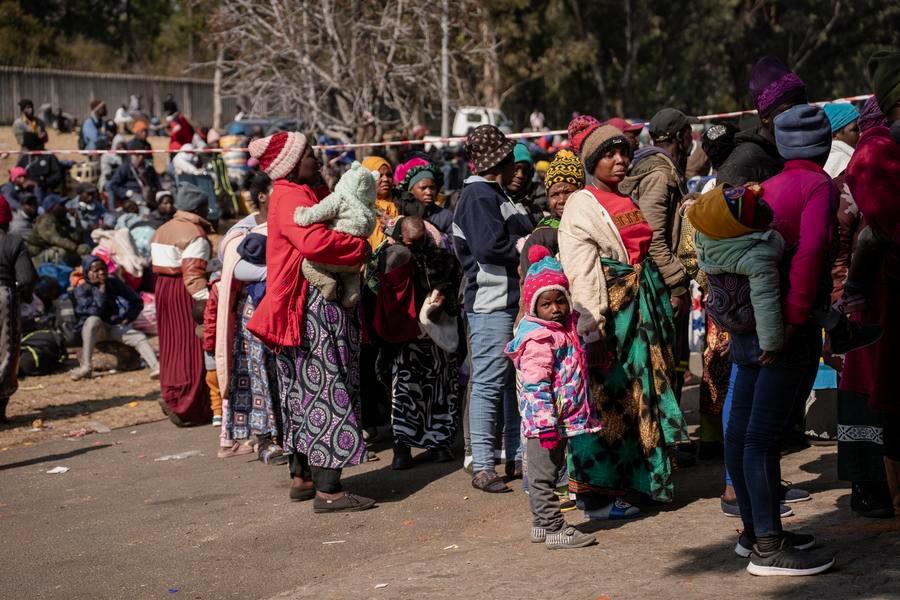
Approximately 1,000 Malawian nationals are currently congregating outside their consulate in Johannesburg, seeking repatriation amid escalating anti-immigrant sentiments in South Africa. These individuals are enduring harsh winter conditions as they await transportation back to their homeland. Dumisani Nureya, director of the Zimbabwe Phoenix Foundation, which is providing assistance, has noted the dire situation faced by many migrants who are spending days outside without access to basic sanitary facilities.
The Malawi consulate in Johannesburg has become a focal point for those impacted by rising tensions. As many individuals wait for buses to return home, they are wrapped in blankets, trying to shield themselves from the biting cold. Local residents have approached them, questioning why they have stayed in the country following an ultimatum for undocumented migrants to leave by June 30.
Continued Protests Against Immigration in Johannesburg
On July 13, anti-immigration protests continued in Johannesburg’s central business district, with demonstrators calling for the expulsion of illegal immigrants. These protests have become a weekly occurrence since nationwide actions began on June 30. In various areas, self-styled vigilante groups have escalated their efforts, conducting “door-to-door visits” to identify and report non-nationals to the police.
Spokesperson Sandile Dube for the March and March group stated that their objective is to march persistently until all illegal immigrants leave South Africa. He emphasized a desire for substantial reforms to immigration laws, advocating for economic empowerment of township residents to ensure that local communities control their economic destinies. Dube called on the government to declare the issue of illegal immigration a national crisis.
Government Response to Rising Immigration Concerns
In response to the ongoing protests and rising pressures, the South African government is tightening immigration controls and promoting voluntary repatriation for foreign nationals. Maba Scott, the chief director of cluster communications at the Government Communications Information System, confirmed that the government is facilitating the return of migrants from several African nations, including Malawi, Mozambique, and Nigeria.
Latest statistics from the Interagency Committee on Immigration reveal a significant uptick in the number of foreign nationals processed for deportation or voluntary repatriation, climbing to 53,449 as of July 11. This marks a substantial increase from the 15,162 cases reported on June 26, with over 80% of those being Malawians.
Logistical Challenges in the Repatriation Process
Despite the logistical hurdles faced in the repatriation process, Scott indicated that efforts are progressing, as more individuals continue to arrive at designated collection points. The government is conducting thorough background checks to ensure those departing have not committed any crimes prior to leaving the country. Scott emphasized the integration of modern technology, such as drones and body cameras, into immigration enforcement strategies.
Expert Insights on Migration Issues in South Africa
Concerns over rising anti-immigrant sentiments reflect deeper socio-economic issues within South Africa, as immigrants are often scapegoated for prevailing challenges like inequality and unemployment. Joe Veery, an associate professor at the Center for African Migration and Society, pointed out that blaming immigrants is factually incorrect and overlooks the systemic root causes of these problems.
Veery cautioned that the ongoing unrest and violence against immigrant-owned businesses pose risks to South Africa’s economic stability. The possible closure of spaza shops could lead to rising food prices and disrupt local economies as well as regional trade. Such disruptions threaten not just the local fabric of society but also tarnish South Africa’s international reputation, raising alarm among observers of the situation.
