


Chaotic Asylum Hearings Highlight Immigration Court Backlog
In a bustling Chelmsford Immigration Court, a Mexican cowboy with shoulder-length wavy hair, gold teeth, and a trucker’s hat found himself among a diverse group of individuals awaiting asylum hearings. The man, hailing from Michoacán, was marked by his oversized rhinestone belt buckle and weathered hands, which bore the residue of his labor at a nearby ranch.
Surge in “Megamaster” Hearings Presents New Challenges
On this particular July morning, the cowboy was one of many summoned before immigration officials, facing a backlog that had led to numerous cases being rescheduled. Reports indicate these large-scale hearings, known as “megamaster” hearings, are increasingly common as the Trump administration aims to address the overwhelming backlog of immigration cases. Critics argue this approach jeopardizes immigrants’ rights, potentially depriving many of a fair hearing and pushing even those with legitimate claims towards deportation.
High Volume of Cases Overwhelms Court Resources
Judge Kristin Olson had over 100 individuals on her docket that day, a significant increase from her typical workload. Every 30 minutes, she called roughly a dozen names, sometimes including entire families with young children. The language barrier was evident, with many not fully grasping the proceedings, especially the large contingent of Haitian Creole speakers. A Spanish interpreter, connecting through a phone line, struggled to assist a Brazilian attendee who could not communicate in Spanish.
Risks of Missed Hearings Amplified
Each individual was marked present and instructed to return for their next hearing, including the Michoacán man, whose future in the country now hinges on the outcome. However, for those absent that day, the consequences could be much more severe. Legal experts estimate thousands of deportation orders have been issued due to non-appearances in court.
As immigration attorney Jason Jannetty pointed out, “Even if this is just to schedule a hearing, failing to show up can prompt the judge to issue a deportation order, which is notoriously challenging to reverse.” He emphasized that current policies reflect systemic issues that extend beyond mere administrative challenges.
Significant Backlogs Prompt Revised Approach to Hearings
Amidst a staggering backlog of 3.2 million immigration cases nationwide, including 152,000 in Massachusetts, the urgency to expedite proceedings has been adopted by the Trump administration. Acting Attorney General Todd Blanche informed lawmakers that efforts to streamline the process are yielding results, with over a million cases completed since the administration took office. This has reportedly reduced the backlog by nearly 450,000 cases.
The Executive Office for Immigration Review (EOIR) expressed its readiness to handle mass hearings, stating that adjustments are being made to prevent further delays. However, experts like Austin Kocher, a researcher from American University, warn that these megamaster hearings are primarily designed to facilitate deportations.
Concerns Over Fairness and Process Integrity
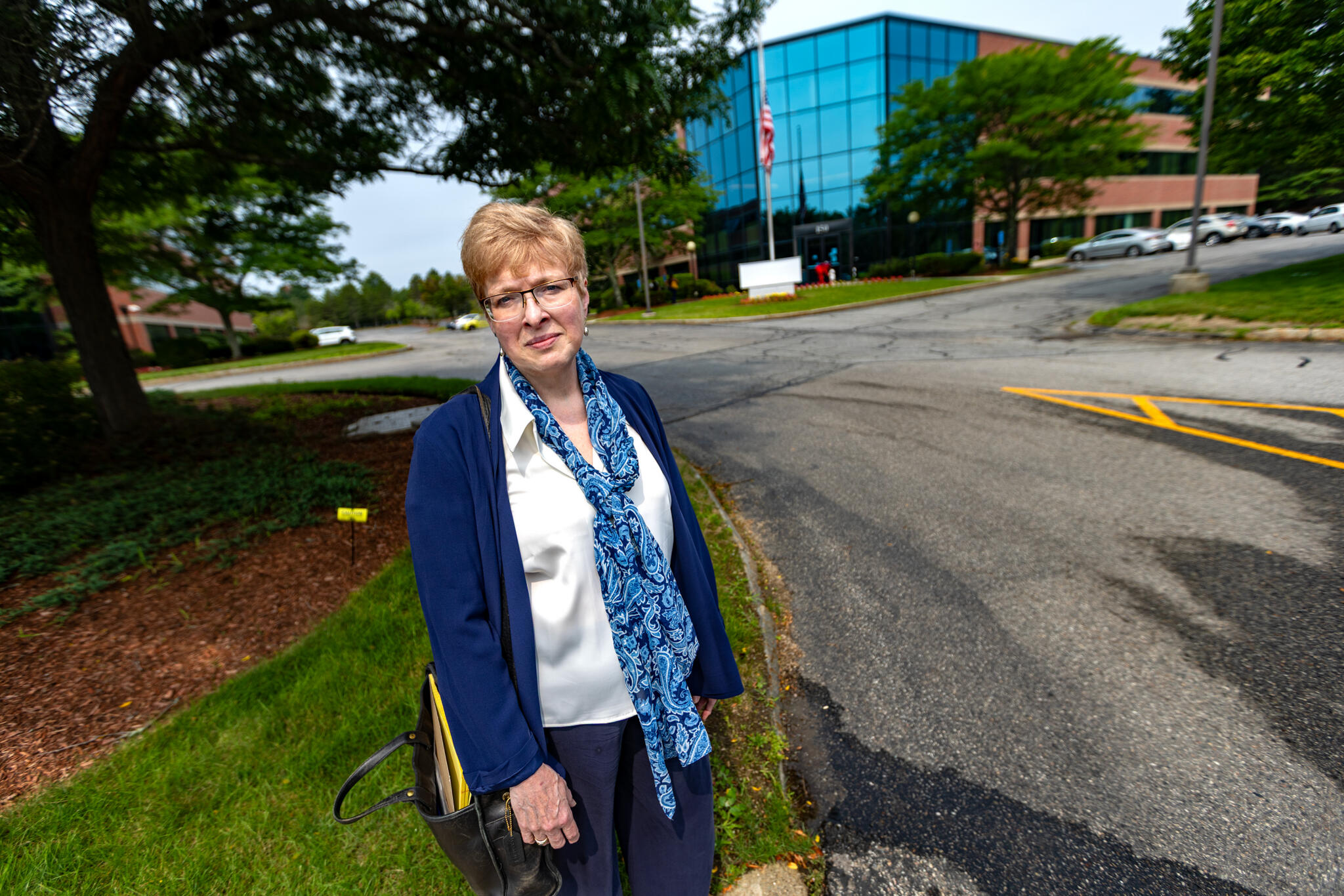
While advocates acknowledge the administration’s intent to enhance efficiency within immigration proceedings, many emphasize that such measures must not jeopardize due process. Michele Cantara, a retired consultant who now volunteers to monitor court activities, noted that while improved systems are laudable, they must retain a moral compass. She expressed concerns about the chaotic nature of the hearings, which often leave many without proper counsel or understanding of their rights.
Cantara, along with other volunteers, has observed a concerning trend at the Chelmsford courthouse where procedural integrity appears compromised. There, children frequently run through the courtroom, and many non-English speakers face significant language barriers without adequate interpreter services. She estimates that about half of those summoned do not attend, suggesting that the chaotic environment may unintentionally lead to further disenfranchisement of those seeking justice.
Reflecting on her motivations, Cantara recalls her upbringing in a family that valued vigilance against government overreach. Her parents’ discussions about historical injustices, particularly the internment of Japanese Americans during World War II, instilled in her a deep sense of responsibility. “If you’re an American citizen,” she remarked, “you can’t just stand by and let this happen again.” This conviction drives her ongoing commitment to observing and reporting on immigration court processes, advocating for those whose lives hang in the balance.
