


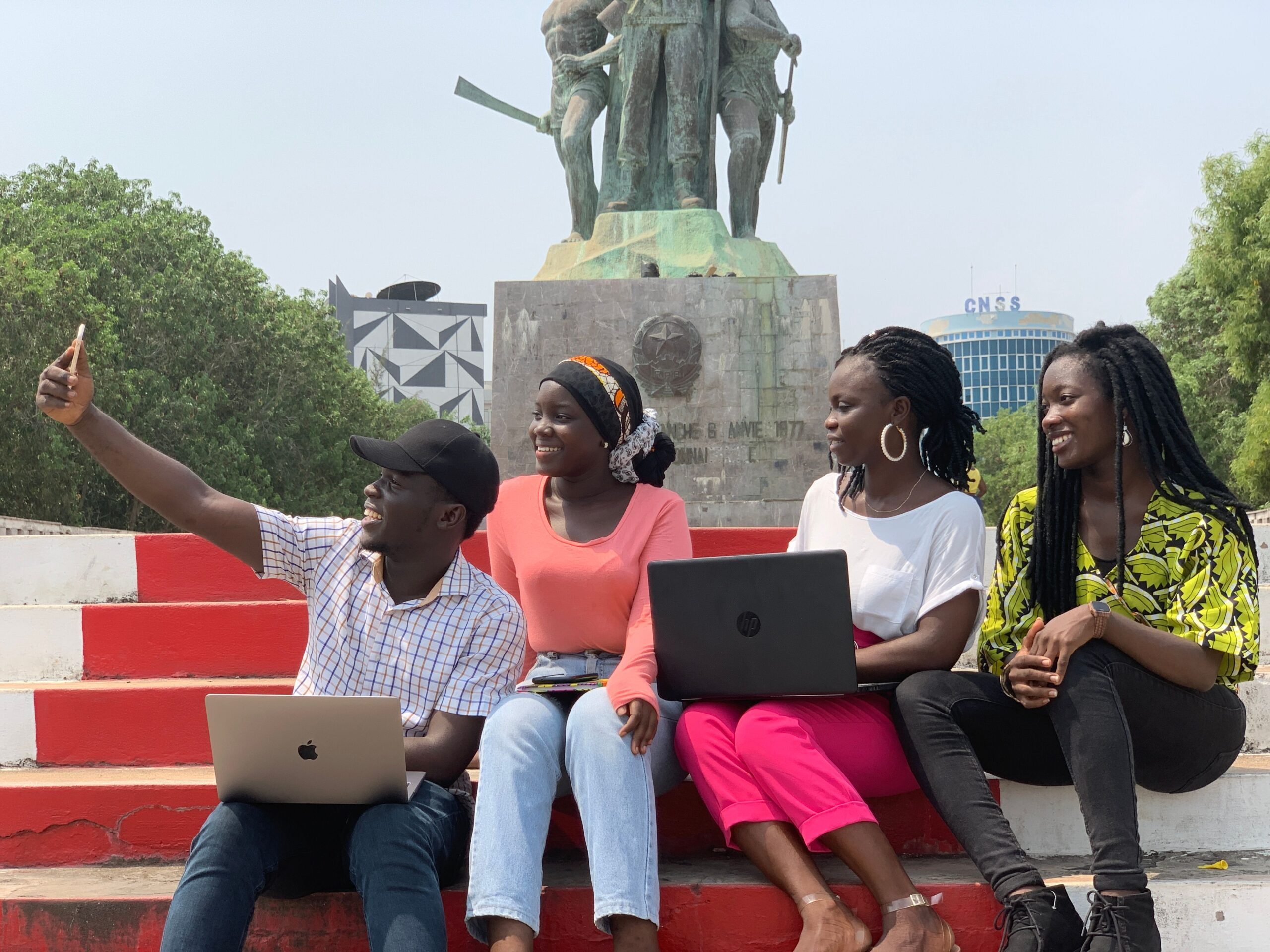
African Youth Pioneering AI for Peace Initiatives
While artificial intelligence is often associated with risks such as misinformation and surveillance, a more positive narrative is emerging from Africa. Young innovators across the continent are harnessing digital technologies to preempt conflicts, combat hate speech, and bolster community resilience.
A recent policy brief from the Institute for Security Studies highlights that African youth are not merely adapting to AI; they are actively influencing how these technologies are employed in peacebuilding efforts. However, the report also cautions that outdated regulations, inadequate digital infrastructure, and entrenched inequalities could hinder this potential.
African governments, regional organizations, and civil society are increasingly developing governance frameworks for AI that will dictate the future usage of these technologies. A key takeaway from the report is the importance of involving young people in the design process of these frameworks from the outset, rather than merely consulting them post-development.
This paradigm shift warrants serious consideration. The report excels in rejecting the portrayal of African youth as passive consumers of technology, instead showcasing them as active creators of knowledge who generate valuable information, innovate digital tools, and engage in public discourse surrounding conflict. This signifies an important transition in discussions about youth, peace, and security; the emphasis shifts from mere participation to recognizing expertise. Young peacebuilders are not just consumers of data; they produce localized knowledge and digital innovations that enhance conflict prevention strategies.
Kenya’s Ushahidi platform serves as a pioneering example, demonstrating how citizens can leverage crowdsourced information during crises, particularly noted during the post-election violence of 2007-2008. More recent endeavors like iVerify, introduced in Zambia in 2021, aim to train young journalists to combat misinformation proactively. Extending its impact, iVerify is now a digital public resource in Sierra Leone and Liberia, focusing on enhancing fact-checking skills among emerging journalists. Numerous youth-led projects employ machine learning and open-source intelligence to monitor elections, identify risks of conflict, and counter false narratives circulating online.
Crucially, the report highlights that technology should augment, not replace, human relationships. Some of the most effective initiatives combine digital platforms with traditional methods such as community dialogue, local radio outreach, and peace education. The effectiveness of digital tools often hinges on their ability to fortify existing social networks rather than supplant them.
The report compellingly outlines the ongoing barriers shaping Africa’s digital future. Internet access remains uneven across the continent, especially in rural and conflict-affected regions. Women continue to encounter significant challenges in accessing digital platforms. Moreover, African languages are underrepresented in many AI systems, which limits the ability of automated tools to grasp local context and accurately identify harmful content. The predominance of AI systems trained in English and other Western languages risks overlooking harmful content in native African languages, raising pressing questions about inclusivity and representation.
Language is particularly vital in peacebuilding, as understanding local narratives and community contexts is essential. The report’s recommendations advocate for enhanced collaboration between African Union peacekeeping and technology entities, increased investment in digital literacy, strengthened ethical oversight of AI, and formal avenues for youth engagement in peace and security policy-making.
Despite its strengths, the report leaves several critical questions unaddressed. It outlines various promising initiatives but provides limited empirical evidence regarding their long-term impact on reducing violence or fostering community trust. As governments and organizations allocate more funding toward AI in peacebuilding, understanding which digital strategies yield measurable results becomes crucial.
Additionally, the report could delve deeper into the tension between AI’s potential benefits and its possible misuse. Technologies intended for early conflict detection could also facilitate state surveillance or restrict civic space if implemented without adequate oversight, underscoring the necessity for robust governance frameworks. Such frameworks are vital not only because AI holds transformative potential, but also because the very nature of power demands accountability.
Ultimately, this policy brief underscores a fundamental truth: peacebuilding transcends technology; it fundamentally involves human connections. While AI can enhance early warning indicators and improve conflict analysis, sustainable peace can only be achieved when solutions align with local knowledge and community priorities. Across Africa, young individuals are already illustrating a hopeful future. The pressing question remains whether institutions will acknowledge them as equal partners in realizing that vision.
For policymakers, civil society organizations, and international stakeholders, the takeaway is unmistakable: investing in digital peacebuilding equates to investing in the individuals who truly understand local communities. The future of AI in Africa will be most promising when it amplifies local leadership rather than undermining it.
Keywords: Africa, youth, AI, artificial intelligence, peace, peacebuilding, conflict, conflict resolution
