


Japan Expands Immigration Enforcement to Combat Illegal Overstay and Employment
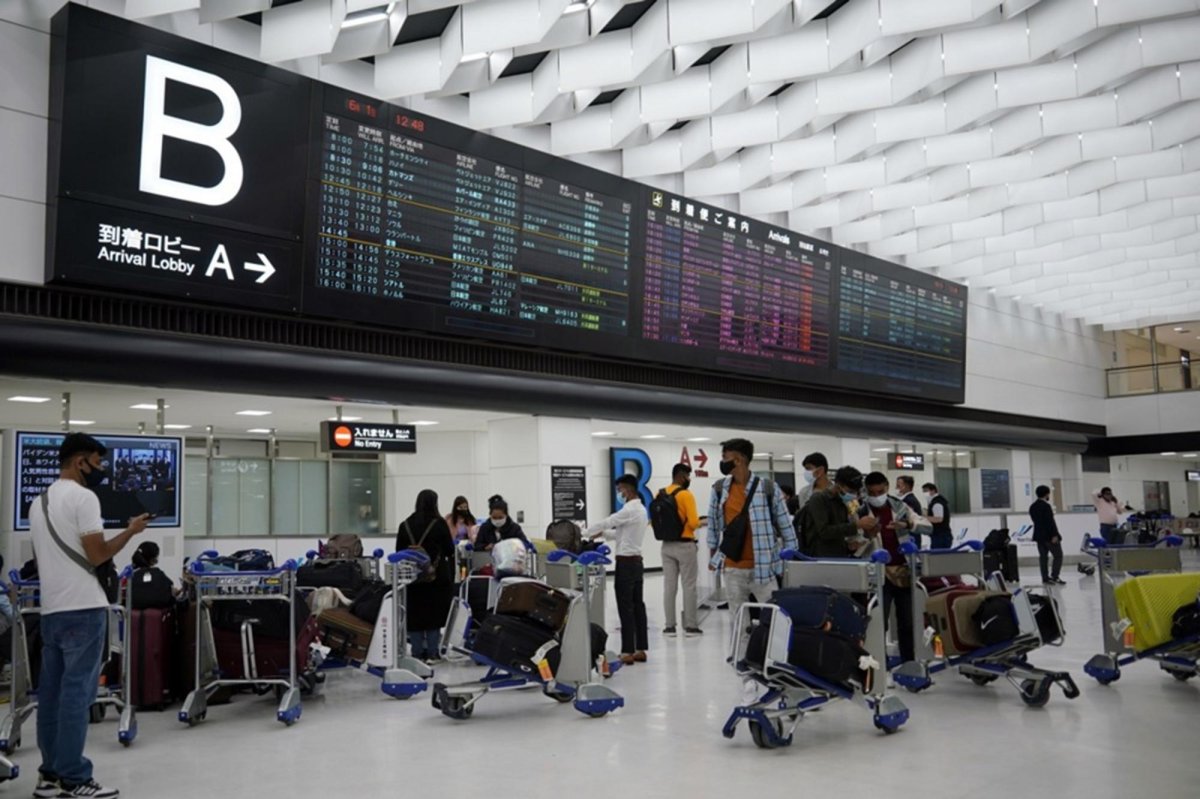
International travelers increasingly frequent Narita International Airport in Japan, as the country embarks on significant changes within its immigration enforcement framework. Reports indicate that Japan plans to recruit approximately 230 immigration officers in the current fiscal year to intensify efforts against illegal overstaying and unauthorized employment.
The Immigration Services Agency intends to appoint over 200 immigration control officers and examiners, as highlighted by the Yomiuri Shimbun. This move may be formalized through a cabinet decision to revise enforcement orders by the end of July.
Such a sizable hiring initiative mid-fiscal year deviates from conventional processes, typically characterized by gradual recruitment aligned with standard budgetary allocations. The agency aims to allocate around 50 additional officers specifically tasked with investigating individuals residing unlawfully in Japan.
Many of these new hires will be deployed to Ibaraki Prefecture, where officials plan to enhance their scrutiny of fraudulent employment practices. Additionally, the immigration inspectors’ workforce will expand by roughly 180 members, enabling them to evaluate employment activities in relation to visa restrictions while also accelerating the processing of residency applications.
To further bolster immigration checks, the government will enhance screening procedures at airports and ports, targeting individuals who may be at risk of overstaying. According to data from the Immigration Services Agency, the number of illegal immigrants was recorded at 68,488 on January 1, reflecting a reduction of 8.5% from 74,863 during the same period the prior year. The demographic breakdown consists of 41,067 men and 27,421 women.
Moreover, Japan is set to establish an expert committee on immigration policy by the end of July. This panel will tackle key topics such as the optimal size of the foreign population in Japan and initiatives to educate non-Japanese residents about cultural norms and daily practices.
This initiative underscores Japan’s ambition to attract necessary foreign labor to address its market demands while simultaneously tightening regulations surrounding illegal immigration. A similar trend is apparent in South Korea, where the foreign population has surged, presenting comparable challenges.
