


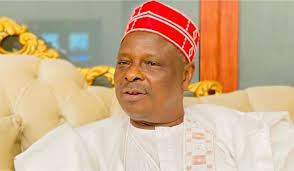
Political Will and Public Engagement Key to Security Solutions
Senator Rabiu Kwankwaso, the former governor of Kano State and vice-presidential candidate for the Nigeria Democratic Congress (NDC), has articulated a multi-faceted approach to addressing Nigeria’s security challenges. He emphasizes that genuine political will, enhanced intelligence gathering, improved welfare for security personnel, and increased public participation are crucial to restoring safety and stability in the nation.
Agreement on Presidential Terms with Peter Obi
In a recent interview with Channels Television’s Politics Today, Kwankwaso disclosed a significant agreement with Peter Obi, the presidential candidate of the Labor Party. They have committed to a unique arrangement where the presidency will be held for four years in the south, after which it will return to the north in 2031. This pact, rooted in principles of fairness and national unity, reflects a thoughtful discussion between the two leaders.
Documenting the Deal for Transparency
Kwankwaso shared insights into the agreement, which has been formalized both at the party level and personally between the two politicians. He expressed his trust in Obi, stating, “I don’t think he will change his mind when the time comes.” By keeping the agreement documented, the two leaders aim to ensure accountability and clarity in their political partnership.
Joint Committee and Shared Vision Ahead of Elections
A joint committee comprising representatives from both the Labor Party and the New Nigerian Peoples Party (NNPP) is currently evaluating their manifestos and political strategies in anticipation of the 2023 elections. The committee has found that the two parties share a similar vision for Nigeria, emphasizing the need for collaborative efforts post-election to effect positive change.
Addressing Nigeria’s Most Pressing Challenges
Kwankwaso’s evolving perspective on Obi highlights his growing respect for the latter as a dedicated and principled politician. He believes their respective political blueprints align closely, with prioritization on key issues such as insecurity, economic revitalization, infrastructure rebuilding, and educational improvement. He identifies insecurity as a foremost challenge, noting its escalation from the northeast to various regions across the country.
Proposed Solutions to Insecurity
To combat insecurity effectively, Kwankwaso advocates for a comprehensive strategy that includes political will, robust intelligence gathering, better support for security personnel, and active community engagement. He stresses the necessity of rebuilding trust with local communities to encourage them to report criminal activities without fear of retribution.
Dialogue as a Complementary Approach
While addressing security issues, Kwankwaso suggests that dialogue should also be part of the solution. He advocates for conversations with all relevant stakeholders, including potential adversaries, should the situation require it. He calls for a balanced approach that combines military action with dialogue to foster a comprehensive security strategy.
Demand for Decisive Leadership
Though Kwankwaso refrained from direct criticism of President Bola Tinubu’s administration, he implied that the current security landscape underscores the need for more decisive leadership. He believes that the Nigerian military, despite its training and competence, requires adequate resources and strong political direction to effectively counteract terrorism and criminal activities.
