


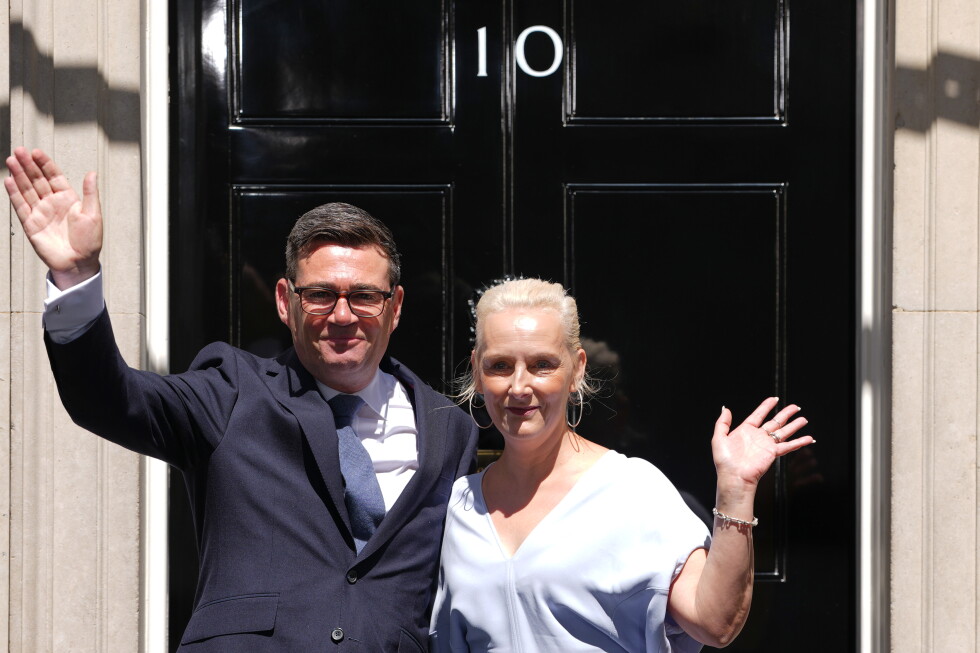
LONDON (AP) — Andy Burnham begins his tenure as Prime Minister at No. 10 Downing Street amid a wave of enthusiasm tempered by a multitude of challenges. On his first full day, he confronts the same pressing issues that plagued his predecessors.
The United Kingdom is grappling with an economic downturn, a cost-of-living crisis, demands on public services, and complex foreign policy issues, including ongoing conflicts in Ukraine and the Middle East. Furthermore, navigating relations with U.S. President Donald Trump adds an additional layer of complexity.
Burnham, who previously served as the Mayor of Greater Manchester, steps into this national leadership role after nearly a decade of managing a region that encapsulates three million citizens. His recent victory in a special election has brought him back to the center of political power.
Leading a government that represents approximately 70 million people poses a significant challenge, magnifying the scale of the issues he now faces.
Focus on Economic Revival and Government Decentralization
Addressing domestic matters sits at the forefront of Burnham’s agenda. He has pledged to unveil a plan aimed at funding measures to alleviate the rising cost of living. Burnham inherits an economy that was on an upward trajectory until recent geopolitical events disrupted these predictions, leading to concerns over slowing growth amidst rising inflation.
His policy framework emphasizes decentralization, advocating for increased financial resources to local governments and the restoration of essential services that were privatized decades ago. Burnham’s unique approach, termed “Manchesterism”—a blend of pro-business socialism—aims to leverage both public and private investments in key sectors such as transportation, housing, and infrastructure. However, successfully implementing this vision could take considerable time.
Joshi Harman, founder of the Manchester news platform The Mill and an experienced reporter on Burnham’s career, expressed skepticism regarding his ability to catalyze significant economic growth, particularly in a post-Brexit landscape. While Burnham seeks innovative solutions, he will likely face constraints on government spending, primarily due to promises made by his predecessor, which ruled out any increases in pivotal tax rates.
Navigating Foreign Policy and Relations with the U.S.
Although Burnham enters office with limited foreign policy experience, he has committed to upholding key alliances, including support for NATO, endorsing the UK’s nuclear deterrent, and maintaining support for Ukraine. The dynamics of his administration’s “special relationship” with the United States may pivot on how effectively he engages with the unpredictable nature of President Trump.
Initial positive remarks from Trump about Burnham were tempered by frustrations over his predecessor’s stance on military engagements, particularly regarding Iran. The U.S. President has indicated interest in issues such as North Sea oil drilling, showcasing the potential impact of their interactions on international relations.
Burnham’s inaugural phone call with Trump reinforced his commitment to ensuring stability in the Strait of Hormuz and bolstering national security. Moreover, he faces pressure to meet defense spending targets in alignment with NATO expectations, which may prove a contentious issue within the UK.
Controversial Stances on Middle East Conflict
In the wake of ongoing violence between Israel and Hamas, Burnham has publicly criticized the approach taken by his predecessor, particularly regarding the humanitarian crisis in Gaza. He mentioned the possibility of imposing further sanctions on individuals connected to violence in the region.
This stance, however, has spurred criticism from various factions; while some Jewish groups expressed concern about his comments, pro-Palestinian advocates believe he has not adequately condemned the actions leading to devastation in Gaza. Balancing these complex and often opposing perspectives remains a delicate challenge for the new Prime Minister.
Confronting Immigration Challenges
Burnham’s inaugural address notably overlooked the contentious issue of immigration, a significant concern for many British citizens. Like other wealthy nations, the UK is experiencing a surge in migrants fleeing instability, conflict, and economic hardship, exacerbating tensions surrounding immigration policies.
The recent rise in dangerous English Channel crossings has fueled anti-immigrant sentiments, particularly in light of recent local elections. Burnham has indicated a commitment to following the Labour Party’s existing immigration policies, which aim to reduce net immigration significantly. He supports legislative efforts focused on addressing unsafe crossings while directing individuals toward safer and more legal migration routes.
How effectively Burnham can navigate these multifaceted issues will not only shape his tenure but also impact the broader socio-economic landscape of the UK.
