


Illegal Immigrant Sues Trump Over High-Profile Murder Case
Brandon Ortiz-Vito, an undocumented immigrant serving a lengthy prison sentence for the murder of Michigan resident Ruby Garcia, has initiated a lawsuit against former President Donald Trump. Ortiz-Vito is claiming $75 million in damages as well as a public apology, alongside seeking potential U.S. citizenship. He argues that Trump used his case for political purposes, thereby subjecting him to humiliation.
Currently 27 years old, Ortiz-Vito was previously deported from the United States and is now serving a prison sentence that ranges from 39 to 102 years for the March 2024 murder of Garcia. Her body was discovered along a road in Grand Rapids, bearing multiple gunshot wounds. The two had an intimate relationship and were reportedly in a heated argument when the incident occurred.
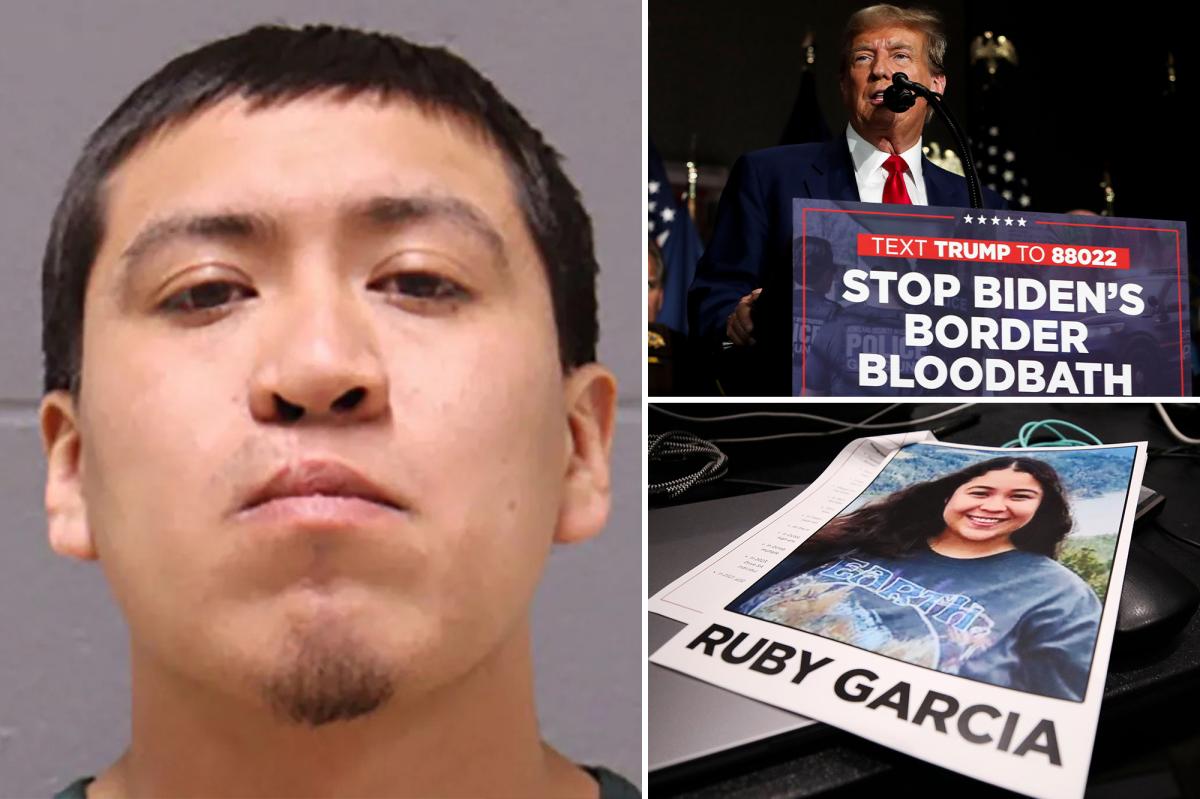
In a handwritten legal complaint filed in federal court, Ortiz-Vito names Trump, as well as White House Chief Deputy Press Secretary Stephen Chan, as defendants. The case gained significant national media attention during a visit by Trump to Grand Rapids in 2024, where he criticized illegal immigration as a cornerstone of his campaign. Trump referred to Ortiz-Vito as “America’s problem” and included his mugshot in campaign materials to highlight the dangers posed by undocumented individuals.
Ortiz-Vito claims that following these public statements, he faced ridicule from prison staff and fellow inmates. In his complaint, he expressed feelings of being dehumanized, stating that his identity was overshadowed by his race and legal status. “My dignity has been destroyed,” he expressed, adding that the disgrace brought upon his family name is a burden he must bear.
His legal representation argues that Ortiz-Vito’s case has been subject to a level of media scrutiny that has created an ongoing nightmare for him. The inmate recalled a moment of realization during a meeting with public defenders, where he understood the disproportionate attention his case received. “To be publicly infamous is to be a target,” he wrote, capturing the anxiety and despair that have become part of his prison experience.
Legal experts, including Matthew Bogra, a criminal defense attorney and former federal prosecutor, predict the lawsuit is unlikely to prevail. He emphasized the importance of federal law, which mandates courts to review inmate lawsuits before proceeding with any legal action. Bogra noted that Trump’s comments regarding Ortiz-Vito have a basis in truth and that public figures often face scrutiny without legal recourse. Consequently, he views the lawsuit as lacking a solid foundation.
The case has also drawn sharp criticism from political figures. Tudor Dixon, a former candidate for Michigan’s gubernatorial race, condemned the suit as an example of entitlement among convicted criminals. “It’s time for lawmakers to stand up for the victims of crime, not the perpetrators,” she stated, rallying for a focus on justice for victims like Ruby Garcia.
After entering the United States illegally, Ortiz-Vito was briefly a participant in the Deferred Action for Childhood Arrivals (DACA) program until his status lapsed in May 2019. He was later arrested for driving under the influence in 2020, which led to his deportation. It remains unclear when he reentered the country unlawfully.
Although Ortiz-Vito acknowledges his role in Garcia’s death, he stresses that the political use of his case has further complicated his situation. He expressed regret for his actions but maintains that the political ramifications of his case have been excessively burdensome, both personally and publicly. Despite the challenges, he asserts a desire for recognition and respect in his pursuit of damages, including the hope for naturalization in the United States.
