


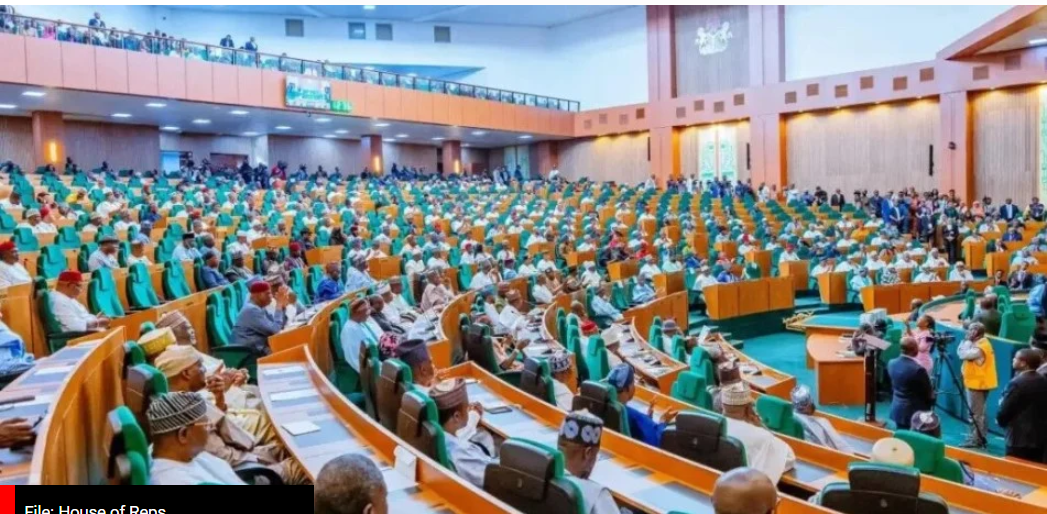
House of Representatives Initiates Inquiry into Xenophobic Attacks on Nigerians in South Africa
Diris Yakubu, Abuja—The House of Representatives has voted to investigate the significant human and economic losses experienced by Nigerians as a result of ongoing xenophobic attacks in South Africa. This initiative aims to establish a framework for compensation, enhance diplomatic engagement, and improve protections for Nigerian citizens living abroad.
This resolution emerged following the adoption of a motion led by Rep. Babajimi Benson, who represents the Ikorodu Federal Constituency in Lagos State. In his compelling address, Benson highlighted the lack of a thorough assessment concerning the casualties, property losses, and economic damages suffered by victims of these persistent attacks, which have plagued Nigerians in South Africa for years.
During his remarks, Benson recalled Nigeria’s historical commitment to the fight against apartheid, emphasizing that the country made immense diplomatic, financial, and political sacrifices to support South African liberation. He noted, “Nigeria remains one of the key architects of South Africa’s liberation,” detailing past efforts that encompassed advocacy at international organizations and the creation of funds for South African education and relief.
Despite these deep-rooted ties, Nigerians residing legally in South Africa have found themselves increasingly vulnerable to xenophobic violence over nearly two decades. Benson described the various forms this violence takes, including murders, mob attacks, arson, and hate-driven intimidation campaigns targeting African immigrants.
Notably, substantial outbreaks of xenophobic violence have occurred in 2008, 2015, 2017, 2019, and 2021, sparking diplomatic tensions and prompting emergency evacuations of Nigerian nationals. Benson also raised concerns about a resurgence of organized anti-foreigner movements in South Africa, citing recent actions by groups such as Operation Dudula, which have escalated fears among Nigerian residents.
While past parliamentary sessions have condemned these attacks, Benson pointed out the absence of a robust legislative inquiry into the scale of human and economic losses experienced by Nigerians. He argued that the current lack of verified data undermines Nigeria’s capacity for meaningful diplomatic discourse and resolution-seeking for victims.
Benson stated, “The condemnation and diplomatic outcry without comprehensive documentation of the losses does not provide the federal government with a reliable basis for policy development.” He emphasized that a thorough investigation is critical in order to understand the cumulative impacts of xenophobic violence and to recommend appropriate legislative and diplomatic solutions moving forward.
The motion received substantial support from MPs during a voice vote conducted by Speaker Tajudeen Abbas. Following its passage, the House of Representatives directed both the African Integration and Cooperation Committee and the Diaspora and Foreign Affairs Committee to investigate the losses, casualties, and damages incurred by Nigerians in the recent xenophobic attacks.
This committee is tasked with compiling an inventory of properties abandoned due to violence and will recommend diplomatic efforts, legal frameworks, and bilateral strategies necessary for holding perpetrators accountable, compensating victims when applicable, and enhancing the security of Nigerians in South Africa. A report is expected to be delivered to the House within four weeks for further legislative consideration.
Nigeria and South Africa share one of the continent’s most pivotal bilateral relationships, characterized by trade, diplomacy, and regional collaboration. However, this relationship has been marred by xenophobic violence targeting Nigerian nationals, leading to devastating consequences, including loss of life, economic ruin, and displacement. Concerns over the safety of Nigerians conducting business in South Africa remain a pressing issue, as victims and advocacy organizations continue to seek justice and compensation for their prolonged suffering.
