


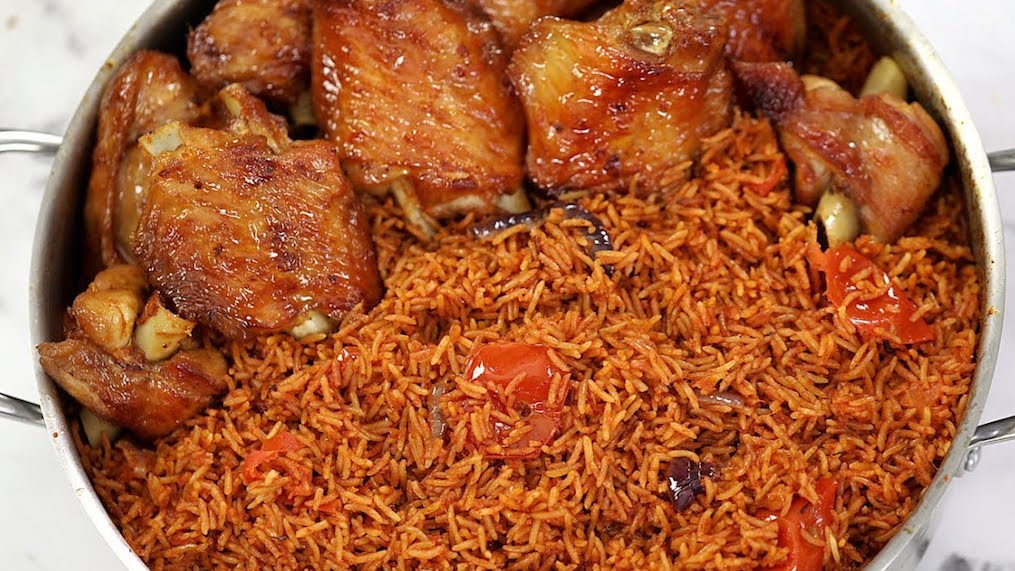
Surge in Jollof Rice Prices Reflects Nigeria’s Affordability Crisis
The average national cost of preparing a pot of jollof rice in Nigeria has escalated by 14.6 percent, rising from N25,798 in July 2025 to N29,578 in June 2026, according to a recent study. This alarming increase underscores the broader economic challenges facing households across the country.
The findings come from the SBM Intelligence Jollof Index Q2 2026 report, titled “Rebasing, Redefining, and Weather Impacts.” The report notes that SBM Intelligence has recalibrated the index as of July 2025, applying a more rigorous standard and introducing revised indicators that reflect the current economic landscape.
The robust study collected monthly price data from 13 markets throughout Nigeria’s six geopolitical zones, analyzing 12 essential ingredients, including rice, vegetable oil, proteins like turkey and chicken, as well as tomatoes, onions, and various spices. This comprehensive data aims to portray how households are coping amid the ongoing affordability crisis.
Price Trends Indicate Long-Term Food Inflation
The report reveals that the trajectory of jollof rice prices has been non-linear, with fluctuations expected in the months ahead. After experiencing declines in September and October 2025, prices are projected to increase significantly between November and the first half of 2026. Since July 2016, the index has skyrocketed from N4,087 to N29,578—an extraordinary 624 percent increase over a decade.
Furthermore, the data reinforces the notion that food inflation in Nigeria is a structural issue rather than a cyclical one. Factors contributing to this crisis are multifaceted, including supply chain challenges, currency instability, inadequate agricultural investment, and climate change impacts.
From April to June 2026, reports from urban markets across cities like Port Harcourt, Calabar, and Kano indicated persistent food shortages and drastic price swings, highlighting the fragility of Nigeria’s agricultural supply chain in the face of extreme weather and logistical challenges. The National Bureau of Statistics reported an alarming 17.52 percent rise in food inflation compared to the same period last year.
Geographical Disparities in Jollof Rice Pricing
The variance in jollof rice prices across different markets has widened significantly, with a gap of N14,700 between the cheapest and most expensive locations. Calabar Municipal is currently the priciest market, where preparing jollof rice costs N34,750, while Awka offers the lowest price at N22,050. This disparity is attributed to elevated protein prices and import restrictions in the South-South region, while local agriculture and shorter supply chains benefit southeastern markets.
In the North-Central region, noticeable price increases occurred in Abuja’s Nyanya and Wuse II markets, with modest rises of 4.7% and 3.7%, respectively. The report notes that the local food economy is significantly impacted by reliance on distant supply routes, making it particularly vulnerable to fluctuations in transportation costs and security challenges.
Dramatic price changes were also recorded in the Northeast. Bauchi’s market, for example, saw a 16.7 percent decline from N38,850 in July 2025 to N32,350 in June 2026, reflecting a local increase in supply as demand waned due to unsustainable prices.
Shifting Consumer Behavior Amid Rising Costs
As food prices continue to rise, consumer behaviors are adapting, albeit in limited ways. Many are purchasing smaller quantities, opting for dried or processed alternatives instead of fresh produce, and reducing portion sizes. However, these measures are merely coping strategies rather than long-term solutions to the ongoing food crisis.
The South-South region experienced the sharpest price increases, driven by structural changes, policy shifts, adverse weather, and rising logistics costs. Calabar Municipal prices surged by 36.3 percent, while Port Harcourt saw an 18.2 percent increase, reflecting broader economic pressures.
Meanwhile, price shifts in the South-West, especially in Lagos, have been pronounced. The trade fair and Balogun markets recorded a staggering 49.6 percent increase from July 2025, underscoring Lagos’s role as Nigeria’s import gateway. This surge reflects the direct consequences of fluctuations in global oil prices, currency depreciation, and supply disruptions exacerbated by extreme weather events.
As Nigeria grapples with these mounting economic pressures, the findings from the SBM Intelligence report serve as a stark reminder of the urgency to stabilize supply chains and invest in sustainable agricultural practices to protect consumers from the ongoing crisis.
