


Nigeria’s Political Landscape: A Focus Beyond Religious Lines
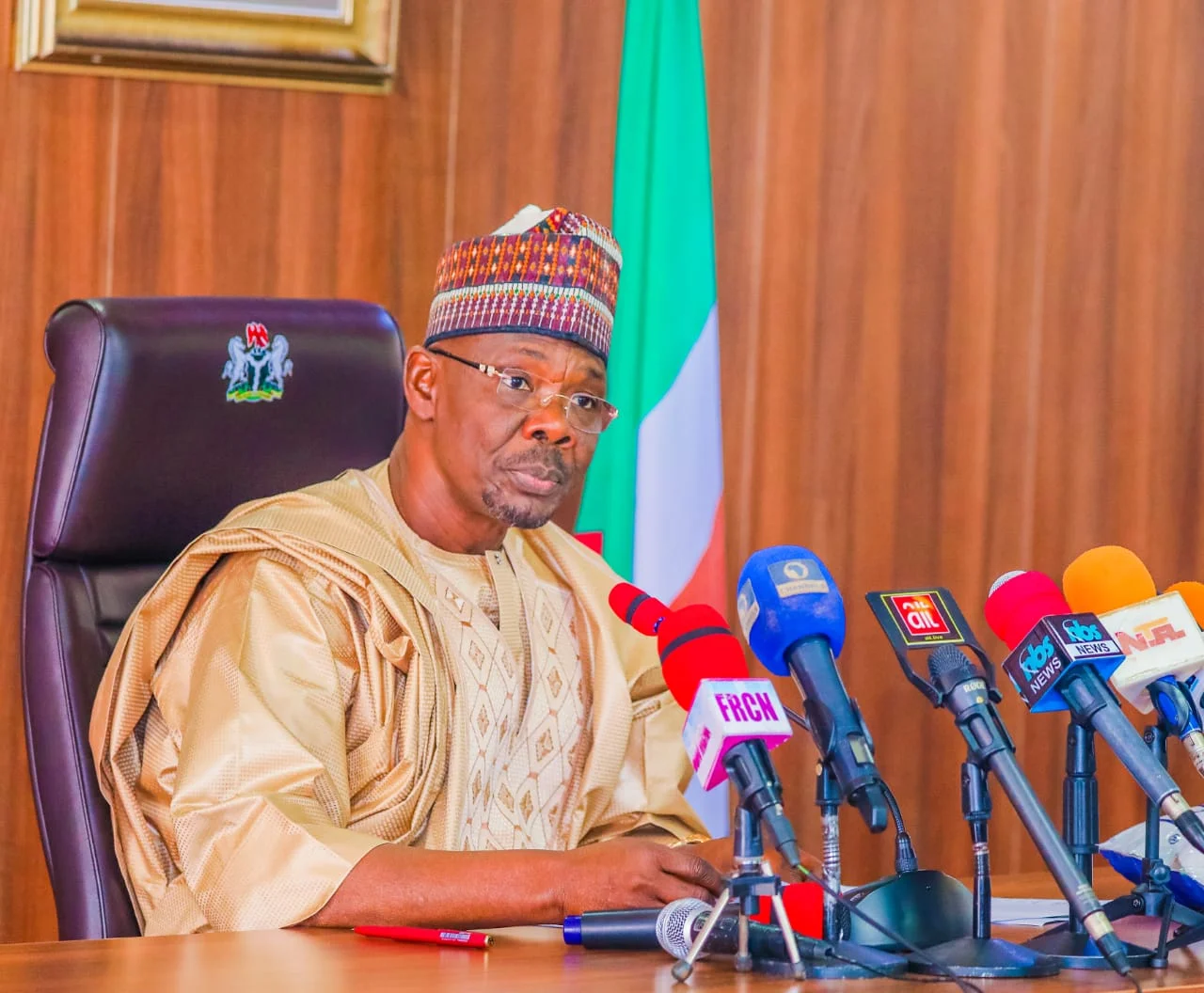
Governor Abdullahi Sule of Nasarawa State has stated that Nigeria’s constitution does not impose the necessity for political party tickets to be balanced across religious lines. He expressed optimism that a future election could see a Christian-Christian ticket, similar to previous elections that featured Muslim-Muslim pairings.
Constitutional Clarity on Presidential Elections
During a recent appearance on Channels Television’s Politics Today, Sule emphasized that the 1999 Constitution prioritizes character, impartiality, and inclusiveness over the religious affiliations of presidential candidates. He noted that while political parties may take into account religious and regional factors when selecting running mates, these choices are primarily based on strategic considerations rather than any constitutional requirements.
Historical Context of Religious Ticketing in Nigeria
The governor pointed to Nigeria’s political history, citing the June 12, 1993 presidential election, which featured late Chief Moshood Kashimawo Olawale (MKO) Abiola and his running mate, Babagana Kingibe, on a Muslim-Muslim ticket. Despite the eventual invalidation of the results, that election is widely recognized as one of the most democratic in Nigerian history.
Recent Elections Reflecting Voter Preferences
Sule also referenced the 2023 presidential election, where President Bola Tinubu and Vice President Kassim Shettima won on a Muslim ticket despite ongoing discussions about the implications of their religious affiliations. He asserted that these elections demonstrate that the ultimate decision of who occupies public office lies in the hands of the voters.
Responses to Opposition Criticism
Bishop Isaac Idahosa, the New Nigeria Peoples Party’s vice-presidential candidate in the 2023 elections, recently faced criticism regarding his political representation as the 2027 elections approach. Sule dismissed this backlash as typical opposition rhetoric, stating, “The opposition will always criticize what the ruling party is doing. We expect that and there is nothing wrong with that.”
Debate on the All Progressives Congress Composition
His comments come during a period of renewed scrutiny regarding the All Progressives Congress (APC) and its direction ahead of the 2027 general elections. Leaders within the ruling party have continuously defended Tinubu’s choice to maintain Shettima as his running mate, arguing that there is no substantial reason to modify the ticket that led to victory in 2023.
Competency over Religious Affiliation
Supporters of this electoral arrangement contend that leadership capacity, governance performance, and national unity should take precedence over religious considerations. Conversely, critics assert that ensuring representation of Nigeria’s diverse religious landscape at the government level is crucial for fostering inclusivity and cohesion. Mr. Sule has asserted that the criteria for electing political leaders should center on competence, constitutional adherence, and the national interest, rather than solely religious identity. As political parties prepare for the upcoming elections, his remarks are expected to reignite discussions surrounding the significant role of religion in Nigeria’s electoral dynamics.
