


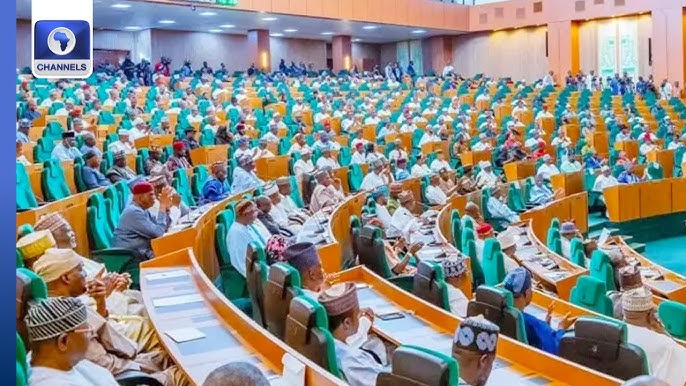
House of Representatives Launches Inquiry into Mine Security Agency
Following allegations of financial misconduct, the House of Representatives has initiated a national inquiry into the operations of mine security agents. This decision comes in light of reports that over two billion naira was found in the bank account of a national commander within the Mines Security Force, amid persistent accusations of financial and operational irregularities.
Motion Sparks Investigation
The motion to address these troubling allegations was put forward by John Johnson Abdulmalek Danga during the recent plenary session. Danga highlighted the establishment of the Mines Security Forces on March 21, 2024, through a collaboration between the Federal Ministry of Solid Minerals Development and the Nigeria Security and Civil Defense Corps (NSCDC). This specialized security force was created with the objective of combating illegal mining and safeguarding Nigeria’s mineral wealth.
Concerns Over Operational Integrity
Danga articulated significant concerns regarding the operational integrity of the force, which comprises over 2,200 NSCDC personnel. According to him, many members lack adequate training in mining operations and the legal framework governing the industry. This inadequacy reportedly leads to harassment, intimidation, and wrongful arrests of legitimate mineral rights holders, with these actions often misrepresented as successful interventions against illegal activity.
Financial Irregularities Highlighted
The lawmaker alarmingly reported serious allegations of financial impropriety within the agency, specifically the discovery of over two billion naira linked to a national commander. He indicated that, instead of facing judicial scrutiny or disciplinary action, implicated officers were merely reassigned, raising concerns about compromising the integrity of the force due to potential collusion with illegal mining syndicates.
Lack of Fiscal Transparency Draws Attention
Danga called into question the transparency surrounding the funding of the Mines Security Force. He pointed out that operational vehicles were procured and allocated without corresponding legislative appropriations or budgetary oversight. This lack of transparency raises red flags about potential off-budget expenditures that could further endanger the integrity of the force.
Risk to Economic Diversification Efforts
The alleged financial and operational shortcomings pose a substantial risk to the federal government’s initiatives aimed at revitalizing Nigeria’s solid minerals sector. These issues not only threaten to exacerbate revenue losses but also diminish investor confidence and worsen conditions within mining communities.
Comprehensive Investigation Mandated
Upon adopting the motion, the House directed the Solid Minerals Development Committee to lead a thorough investigation into the activities of the mine security agents. This inquiry will assess whether the force is functioning in accordance with its legal mandate and will scrutinize the reported corruption scandal involving a former state commander. Additionally, it will investigate the financing of operational vehicles and review the legal framework that governs the force.
The committee has been granted four weeks to complete its investigation and deliver its findings to the House for potential legislative responses. This move aims to bolster the integrity of Nigeria’s mining sector, which is essential for economic diversification beyond oil, and address the long-standing challenge of illegal mining that has not only drained significant revenue but has also led to environmental degradation and increased insecurity in mineral-rich regions.
