


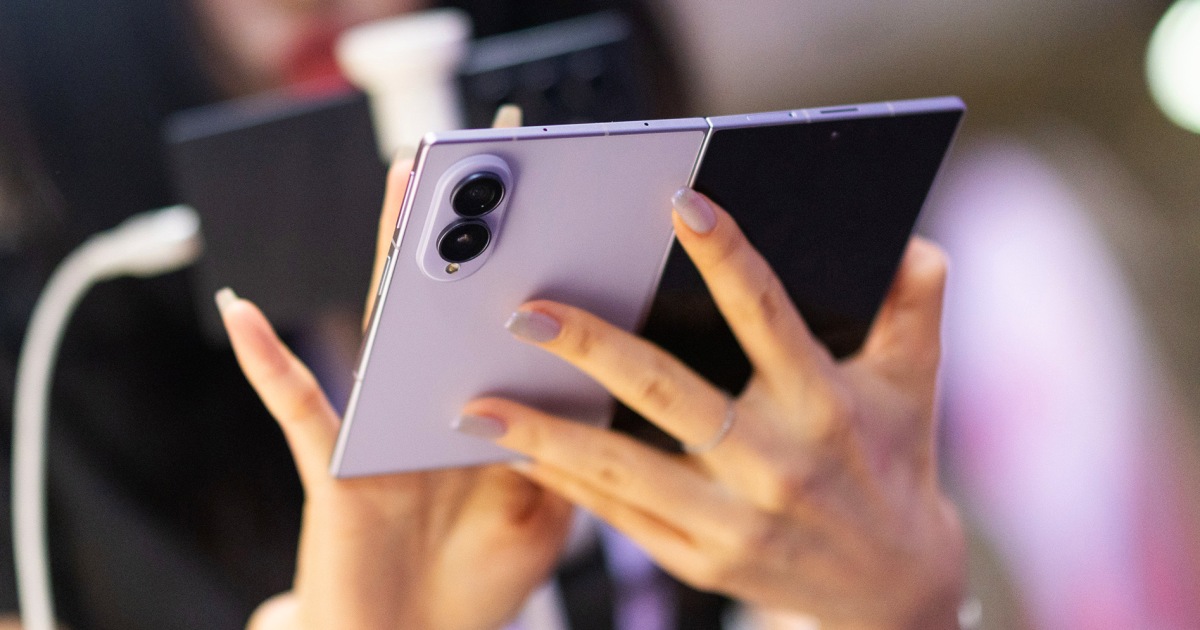
Comparing Samsung’s Galaxy Z Fold 8 Ultra, Fold 8, and Flip 8
Samsung’s product naming conventions often invite playful criticism. However, the company’s latest announcement marks a significant advancement beyond typical seasonal refreshes. As anticipation builds for Apple’s first foldable iPhone debut in September, the rising costs of consumer electronics continue to dominate the conversation.
Samsung’s Competitive Edge
I recently spoke with a Samsung executive regarding Apple’s anticipated market entry and Samsung’s considerable seven-year head start in foldable technology. Before diving deeper, let’s explore the distinguishing features of Samsung’s three latest devices, ensuring you won’t need a translation guide to grasp their nuances.
Diverse Designs in Foldable Technology
While the three phones showcase minor variations, the most notable difference lies in their designs.
Galaxy Z Fold 8: A New Era in Display
The Galaxy Z Fold 8 introduces a fresh form factor. It opens like a book to reveal a spacious main display with a 4:3 aspect ratio—a nod to classic cinema. Pricing starts at $1,900, emphasizing its premium positioning.
Galaxy Z Fold 8 Ultra: Enhanced Features
The Fold 8 Ultra adopts a vertical brochure-like design, maintaining a sleek and narrow profile reminiscent of its predecessors. Notably, it boasts an impressive battery. This model starts at $2,100, reflecting its enhanced specifications.
Galaxy Z Flip 8: A Nostalgic Design
In a nod to the past, the Galaxy Z Flip 8 folds vertically, evoking memories of early 2000s flip phones. It offers a starting price of $1,200, appealing to consumers seeking a blend of modern technology with retro aesthetics.
Launch Date and Market Positioning
All three models are set to ship on August 7th. The new Galaxy Z Fold 8, which might more aptly be named Fold Widescreen, caters specifically to media consumption enthusiasts, promising a broader display ideal for video streaming. This design aligns closely with rumors about Apple’s forthcoming foldable iPhone.
User Experience Drives Innovation
When I asked Drew Blackcard, Samsung’s senior vice president of mobile product management, if Apple’s plans influenced their design choices, he emphasized that their decisions stemmed primarily from a focus on enhancing user experience. He noted, “Media consumption has evolved significantly since we launched our first device in 2019.”
Pricing and Market Challenges
Regarding pricing, Blackcard revealed that the Fold 8 Ultra and Flip 8 cost $100 more than their predecessors, attributed in part to increased RAM and storage costs. Despite these rises, he suggested that many U.S. consumers might not fully feel the impact due to creative billing practices by carriers.
The Competitive Landscape
Looking ahead, the impending arrival of Apple’s foldable device casts a long shadow over the market. Samsung has spent years refining its approach to merging phone functionality with tablet features, while Apple appears poised to make a similar pitch later this fall. Blackcard remains confident that Samsung leads the way in durability and innovation, yet the evolving landscape likely indicates that Apple will soon follow suit with its own foldable options.
Future Trends in Foldable Devices
As the competition heats up, it seems inevitable that Apple may introduce various foldable models, paralleling Samsung’s offerings. For now, Samsung continues to expand its foldable device lineup, but the market dynamics are shifting rapidly.
Joanna Stern is NBC News’ chief technology analyst and the founder of New Things, an independent media company focused on consumer technology. A version of this article originally appeared in her New Things newsletter.
