


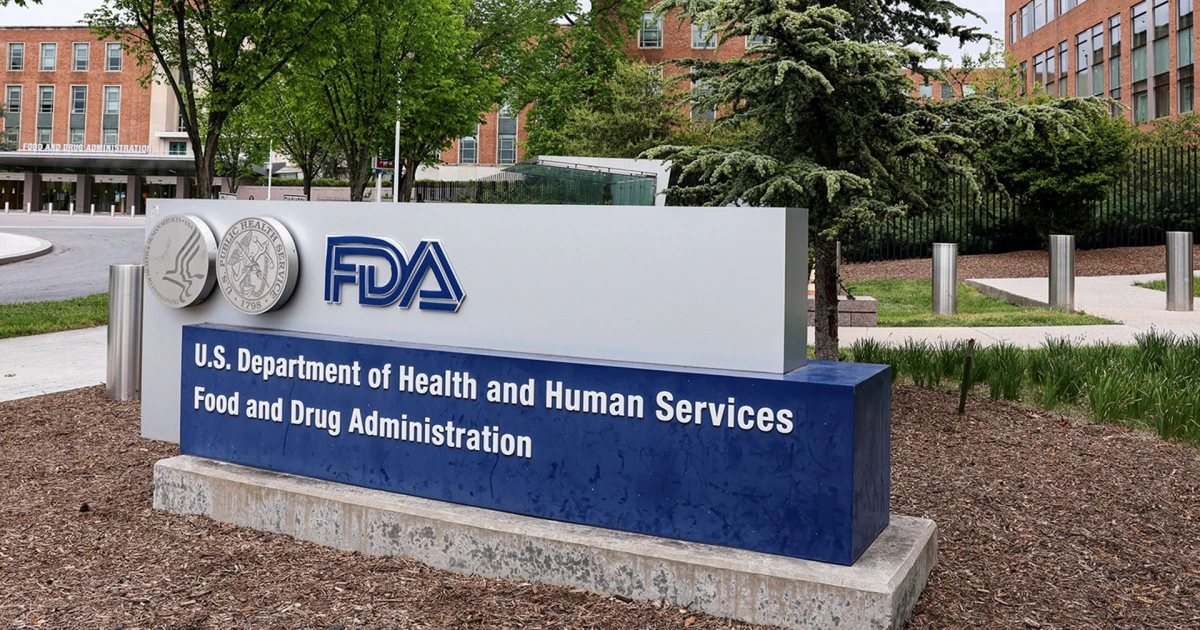
FDA Examines Peptide Restrictions Amid Health Claims
Peptides, often highlighted by wellness influencers and health podcasters for their purported benefits—from injury recovery to anti-aging—are currently under scrutiny by an FDA advisory committee. This group is reviewing whether to ease current restrictions that limit access to these substances. Critics argue that there is insufficient evidence regarding their safety and efficacy, sparking widespread debate among health professionals and the public alike.
Understanding the Controversy Around Peptides
The ongoing discussions around peptides have gained traction as more people turn to alternative treatments in their quest for better health. Some peptides are suggested to help in muscle building and fat loss, while others are claimed to have anti-aging properties. However, the lack of rigorous clinical trials raises questions about their real effectiveness and the potential risks associated with their use.
The Role of Influencers in Promoting Peptides
In the age of social media, influencers have a powerful platform to shape public opinion about health trends, including the usage of peptides. Their endorsements can lead to increased consumer demand, often outpacing scientific validation. As a result, healthcare providers are now navigating a complex landscape where patient expectations may not align with evidence-based medicine.
Insights from Medical Experts on Peptides
NBC Medical Contributor Natalie Hazard has joined the conversation to shed light on the seven specific peptides currently being discussed in the advisory committee. She emphasizes the importance of understanding both the potential benefits and the limitations of these substances. Hazards and potential side effects must be assessed as part of evaluating their overall impact on health.
Public Response and Regulatory Challenges
The public’s enthusiastic reception of peptides has created a challenge for regulators. Balancing consumer access with the need for safety in health treatments is essential, but difficult to achieve. As the FDA reviews these substances, stakeholders are keenly monitoring how new guidelines could shape the future of peptide availability.
Future of Peptides in Health and Wellness
As discussions continue, the potential reclassification of peptides may open up opportunities for research and development. Should the FDA decide to ease restrictions, it could pave the way for more extensive studies that either substantiate claims or call for a reevaluation of their risks. The outcome of these discussions will be crucial in defining the role of peptides in contemporary health and wellness practices.
Examining Alternatives to Traditional Medicine
The growing interest in peptides also signals a broader shift towards seeking alternatives to conventional medicine. As more people express dissatisfaction with traditional treatments, there is an increasing appetite for exploring other modalities. Addressing these concerns within the framework of regulatory practices will be vital to ensuring patient safety while fostering innovation in healthcare.
