


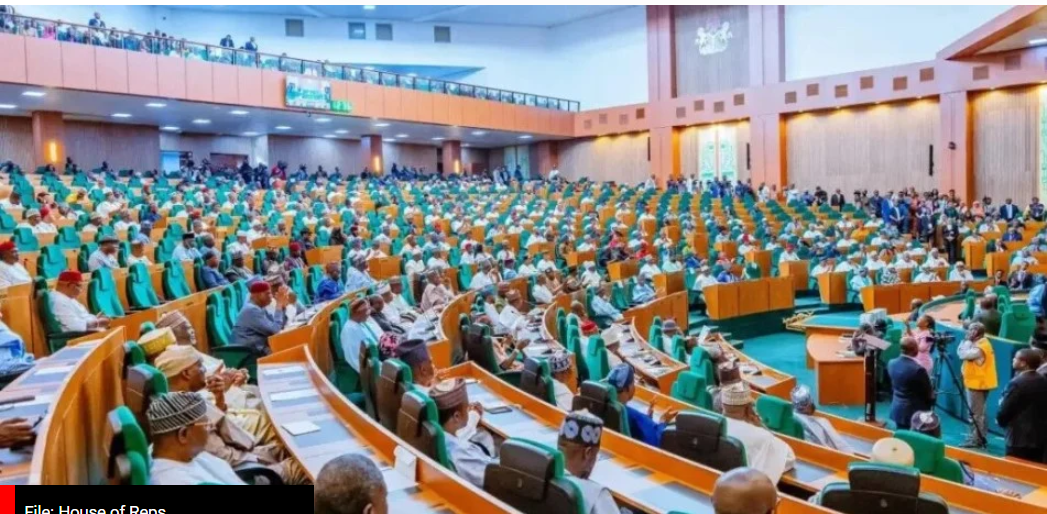
House Minority Caucus Protests State Police Amendment
The House Minority Caucus initiated a strike on Thursday during the plenary session in response to the passage of a constitutional amendment bill aimed at establishing a state police force. The caucus accused House leadership of disregarding both the Constitution and established parliamentary procedures.
Call for Legislative Compliance
While the members expressed their support for the creation of a state police force, which they view as a necessary response to Nigeria’s escalating security crisis, they argued that the amendment should not have been approved without strict adherence to the 1999 Constitution and the House of Representatives’ Standing Orders.
Details of the Vote
The protests came shortly after the House of Representatives endorsed President Bola Tinubu’s constitutional amendment bill. Speaker Abbas Tajudeen revealed that 311 members—276 present physically and 35 who voted virtually—supported the proposal.
Concerns Over Procedural Integrity
A spokesperson for the Minority Caucus, Mr. Afam Ogueen (NDC, Abia), informed journalists that the caucus had submitted a memorandum on July 22 requesting further legislative examination of the bill. The memorandum, titled “State Police: Nigeria Must Get It Right,” gained approval from the Speaker’s Office before the bill was debated and passed.
Advocating for a Stronger Framework
Ogueen clarified that the caucus does not oppose the concept of state policing; rather, it advocates for a robust constitutional framework to address critical legal, institutional, operational, and financial concerns related to the initiative. He emphasized that while the proposal presents a significant opportunity for police reform in Nigeria, it risks being undermined by an incomplete constitutional framework.
Failing to Address Minority Recommendations
He expressed disappointment that the minority group’s recommendations, which included a limited technical review involving constitutional and security experts, were overlooked during the legislative process. Agbedi, the Minority Leader, echoed this sentiment, affirming the caucus’s commitment to any measures that could effectively tackle the ongoing security crisis, but underscoring the necessity of adhering to established legislative procedures.
Integrity of Legislative Procedure Under Scrutiny
Agbedi highlighted the importance of upholding parliamentary rules, specifically citing Order 13 Rule 15(a) of the House of Representatives Standing Orders, which mandates that all provisions of the Constitutional Amendment Bill be considered individually and approved by a two-thirds majority of members. He stated that neglecting these protocols risks compromising the institutional integrity of the National Assembly and, by extension, Nigeria’s democracy.
Next Steps for the Bill
Despite the controversial approval by the House, the amendment still requires the backing of at least two-thirds of Nigeria’s 36 state legislatures to be integrated into the Constitution, according to Article 9 of the 1999 Constitution. The creation of a national police service remains a contentious reform, with supporters asserting that decentralizing the police force will enhance intelligence gathering and respond more effectively to local security threats. Critics, however, voice concerns regarding funding, operational capacity, and potential misuse of power by political leaders.
