


Tax Ombud Calls for Enhanced Public Confidence in Nigeria’s Tax System
The Office of the Tax Ombud (OTO) has underscored the vital role of public trust in bolstering voluntary tax compliance in Nigeria. It advocates for a fairer tax administration, greater protection for taxpayers, and increased accountability among revenue authorities.
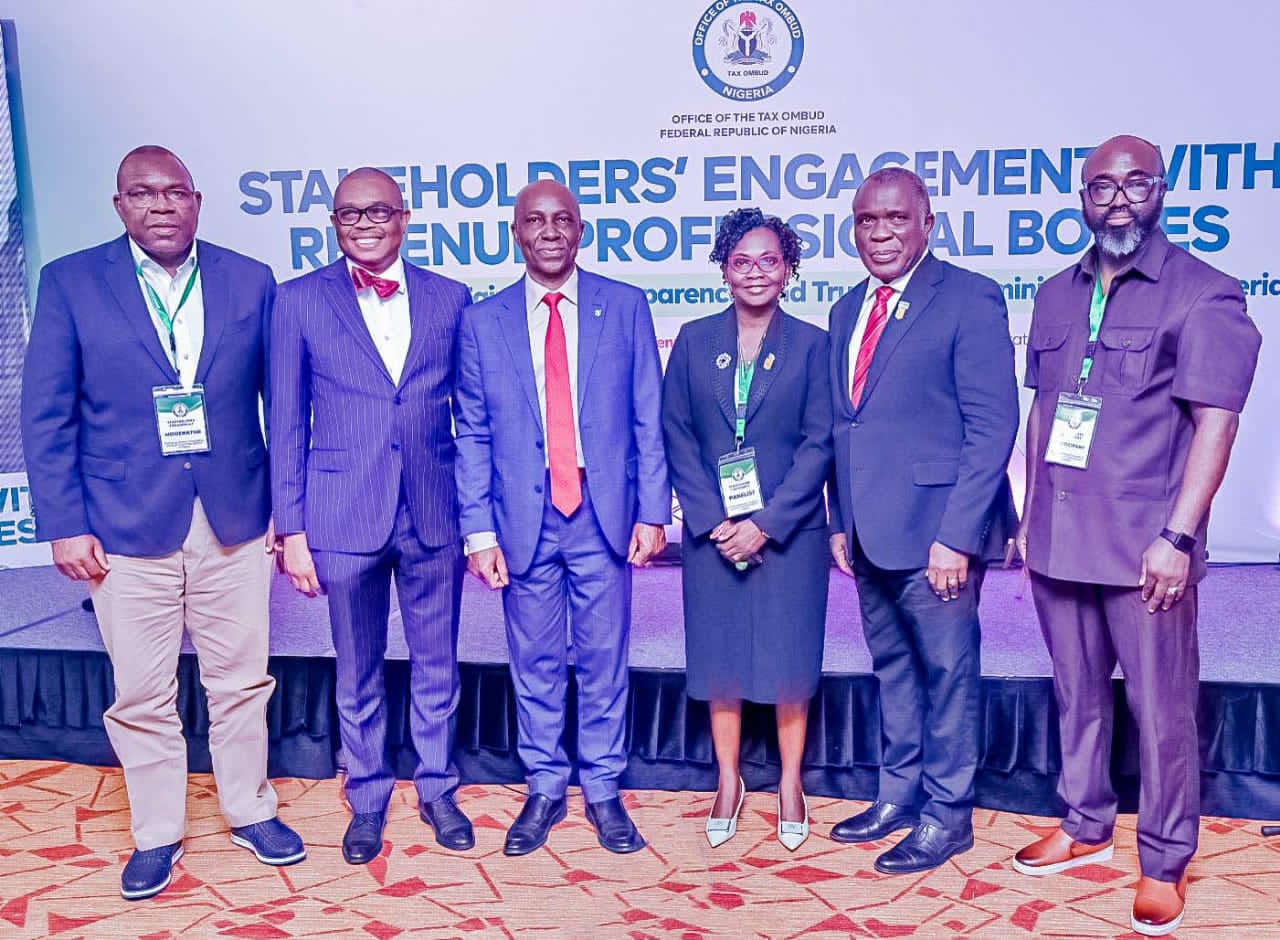
During a stakeholder meeting held in Lagos, John Nwabueze, the Director-General of the OTO, emphasized that effective tax administration hinges not only on legislation and enforcement but also on fostering public confidence. The meeting was themed “Promoting Fairness, Transparency and Trust in Nigeria,” focusing on strengthening the relationship between taxpayers and the government.
Nwabueze explained that when citizens perceive a tax system as fair, transparent, and accountable, they are more inclined to comply on a voluntary basis. The establishment of the OTO reflects Nigeria’s commitment to global best practices, creating an independent and impartial institution dedicated to safeguarding taxpayer rights. Since its inception, the OTO has implemented a governance framework, developed institutional policies and grievance procedures, and engaged stakeholders across both the public and private sectors to address taxpayer complaints.
Furthermore, the OTO has adopted a technology-driven framework to enhance public access to its services. Initiatives include a taxpayer education and awareness program, a toll-free hotline, a dedicated website, and a comprehensive case management system designed to streamline taxpayer engagements.
Rebuilding Trust in Tax Compliance
Nwabueze noted that the primary objective of the OTO is to encourage voluntary tax compliance while restoring taxpayers’ confidence in revenue institutions. He emphasized the importance of equitable treatment for all taxpayers, including individuals, small businesses, and multinational corporations.
In his address, Nwabueze outlined ongoing collaboration efforts with tax ombuds in countries such as South Africa, Canada, Australia, Pakistan, Kenya, and the United Kingdom to adopt global best practices. He stressed the need for a sustained, coordinated national taxpayer education campaign involving various stakeholders, including federal and state revenue authorities and educational institutions.
Digital Transformation and Accountability
Mr. Taiwo Oyedele, the Minister of Finance and Coordinating Minister for the Economy, represented the Special Assistant on Revenue at the event. He asserted that Nigeria must develop a tax system built on clarity, consistency, and predictability. He advocated for digitization and harmonization of processes to minimize human discretion, combat corruption, and enhance clarity on tax obligations for both taxpayers and government entities.
Olarinde emphasized that establishing fairness, digitalization, and harmonization would earn the public’s trust. He reiterated that the OTO exists to ensure a fair tax system, providing taxpayers with a proper hearing in disputes while holding revenue authorities accountable for their actions.
Innovative Measures to Tackle Multiple Taxation
Addressing concerns over multiple taxation, Olusegun Adesokan, Executive Director of the Joint Board of Revenue, highlighted that the Tax Imposition Act criminalizes illegal multiple collections. He stressed that increasing public awareness and compliance could mitigate this issue, contingent upon the collective efforts of all stakeholders in the tax ecosystem.
Streamlining Tax Compliance
Afam Osigwe, President of the Nigerian Bar Association (NBA), remarked on the necessity for straightforward tax laws that are easily understood by taxpayers to prevent extortion and corruption. He emphasized that taxes should not impose an undue burden on disposable incomes and that disputes need swift and cost-effective resolution.
Osigwe advocated for a digital tax system aimed at simplifying compliance processes. He noted that complexity in tax codes leads to compliance difficulties, which necessitates intervention from the OTO to address issues such as illegal collections and multiple taxation.
Strengthening Taxpayer Protections
During the discussion, Olumuyiwa Adebayo, Chairman of the Financial Experts Committee of the Nigeria Employers Consultative Association (NECA), called for enhanced scrutiny over repeated audits by various departments within the Nigeria Revenue Service (NRS), which can hinder compliance efforts. Meanwhile, Etforum Osuji, Vice-President of the Institute of Chartered Accountants of Nigeria (ICAN), stressed the importance of accurate financial reporting to ensure compliance with tax regulations.
Echoing these concerns, Titilayo Fowokan, Deputy Director at the Chartered Institute of Taxation of Nigeria (CITN), emphasized that the OTO provides an independent platform for taxpayers to voice their grievances, helping to build trust within the tax system. He pointed out that many individuals and businesses remain unaware of their rights and obligations, advocating for stronger protections to enhance taxpayer education and understanding.
