


Comic-Con Reflects a Shift Beyond Superhero Culture
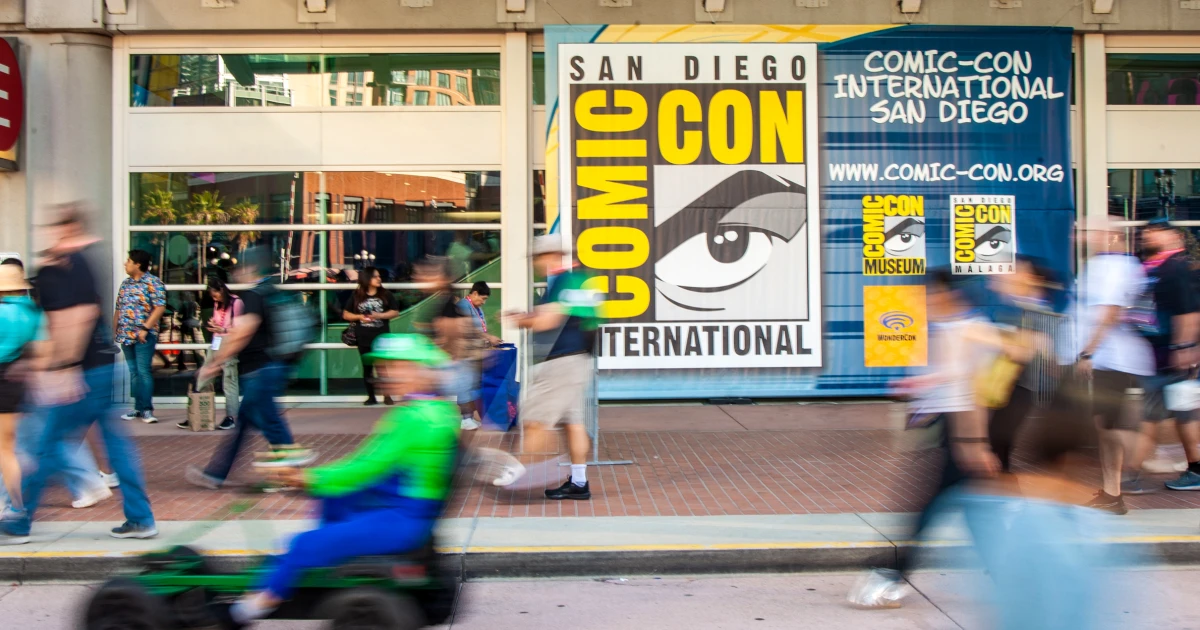
Comic-Con kicked off Thursday in San Diego, showcasing a noteworthy shift in the entertainment industry. Instead of the usual focus on superheroes and franchise-driven content, this year’s panels are highlighting visionary creators and unique storytelling approaches.
Apple TV’s Latest Launch Generates Buzz
Among the most anticipated projects is Apple TV’s “Widow’s Bay,” a horror comedy from Katie Dippold that has garnered significant attention with 19 Emmy nominations. Set to premiere in a prime Saturday afternoon slot at the iconic Hall H, the show exemplifies the audience’s appetite for varied and innovative content.
Emerging Projects from Renowned Directors
Other standout projects discussed at Comic-Con include Brad Bird’s neo-noir sci-fi animated feature “Ray Gun” for Netflix, along with “Hope,” a neon sci-fi thriller directed by South Korean filmmaker Na Hong-jin. A24 is also rolling out “Onslaught,” directed by Adam Wingard, further enriching the lineup of fresh cinematic experiences.
The Evolution of Intellectual Property in Hollywood
Reflecting on the evolution of Comic-Con’s identity, long-time attendees recall a past filled with excitement when studios unveiled new superhero films. The era of comic book dominance, sparked by early hits like Iron Man, has left a different mark as traditional IP fails to guarantee profitability, highlighted by some recent underperformers such as “Star Wars: The Mandalorian and Grogu” and “Supergirl.”
A New Era for Comic-Con
While franchises remain crucial for drawing audiences, the industry is observing an increasing emphasis on director-driven narratives. Films such as Christopher Nolan’s “The Odyssey” and Curry Barker’s “Obsession” illustrate the potential for unique storytelling to resonate with viewers, marking a change in focus at Comic-Con that aligns with broader industry trends.
The Competitive Landscape of Fan Conventions
As various studios increasingly host their own conventions, the competitive landscape for fan engagement has intensified. Events like Disney’s D23 and Netflix’s Tudum are reshaping how studios interact with audiences, compelling a reconsideration of the traditional franchise-centric model. With shifting fan preferences leaning towards creators rather than established IP, the dynamic landscape continues to evolve.
Anticipating the Future of Film Experiences
This year at Comic-Con, significant discussions are also revolving around evolving film formats and technologies. As Disney introduces its new Infinity Vision label to endorse premium viewing experiences, there are debates surrounding its potential impact on audience choices. With the industry continuously seeking means to enhance cinematic experiences, the anticipation surrounding upcoming titles remains palpable.
The Rise of AI in Film Production
The conversation is further complicated by the emergence of AI-generated films, ushering in an era where various interpretations of classic stories like “The Odyssey” can be rendered with innovative technology. These alternatives highlight a broader cultural dialogue around authorship and creativity, allowing for diverse narratives that cater to a wide range of audiences.
