


African Nations Poised for Industrialization Under Tinubu’s Leadership
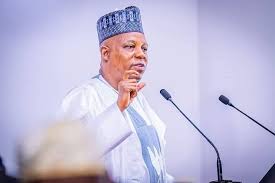
Vice President Kassim Shettima emphasized that Africa has a unique opportunity to leverage its natural resources and play a significant role in global trade and resource management. Speaking in Cotonou, Republic of Benin, during an official tour of the Gro-Digbe Industrial Zone (GDIZ), he called for collective efforts among African countries to fully exploit their resource potential.
Replicating Benin’s Industrial Success in Nigeria
Mr. Shettima, leading a delegation of Nigerian state governors, affirmed that under President Bola Tinubu’s administration, no region in Nigeria will be neglected as the nation embarks on a robust industrialization initiative. He expressed his administration’s commitment to collaborating with local governments to facilitate substantial economic development across the country.
Opportunities in the Textile Sector
Highlighting the current situation, Shettima lamented that African countries capture only about 1% of the $370 billion global cotton market. However, he expressed optimism, stating that through President Tinubu’s vision to rejuvenate Nigeria’s textile industry, the nation could create millions of jobs, enhance non-oil exports, and invigorate economic activities nationwide.
Learning from Benin’s Agricultural Processing
During his visit to the industrial facilities focused on cotton, textiles, cashew production, and soybean oil, Shettima was impressed by the operational success and vowed that Nigeria would adopt several best practices observed in Cotonou. He noted that this initiative aligns with President Tinubu’s New Hope Agenda, aimed at transforming Nigeria into a developed nation.
Insights from the Gro-Digbe Industrial Zone
Upon their arrival, the Vice President and the governors received a briefing on the GDIZ’s structure, production capabilities, and investment opportunities from Olusegun Ajadi Bakari, Benin’s Minister of Tourism and Foreign Trade. The delegation explored integrated textile and agro-processing facilities where local cotton is converted into finished products for both domestic and export markets.
Public-Private Partnerships Driving Industrial Growth
The GDIZ, a 1,640-hectare public-private industrial platform established by the Government of Benin and the ARISE Integrated Industrial Platform, supports manufacturing sectors including textiles, garments, and agribusiness, providing over 25,000 jobs since local production commenced in 2021. This successful model serves as a reference point for Nigeria’s own industrial ambitions.
Strengthening Collaboration for Future Growth
The governors accompanying Vice President Shettima—including Abdulrahman Abdulrazaq (Kwara), Hope Uzodimma (Imo), Umar Namada (Jigawa), Umar Dikko Radda (Katsina), Caleb Mutfwang (Plateau), and Dauda Lawal (Zamfara)—expressed their eagerness to develop similar industrial initiatives in their states. They recognized the potential for public-private partnerships, job creation, technology transfer, and enhanced collaboration between farmers and manufacturers.
In a symbolic gesture of commitment to sustainable industrial practices, Shettima and the governors planted trees within the industrial zone, underlining the importance of environmentally friendly development alongside economic growth.
