


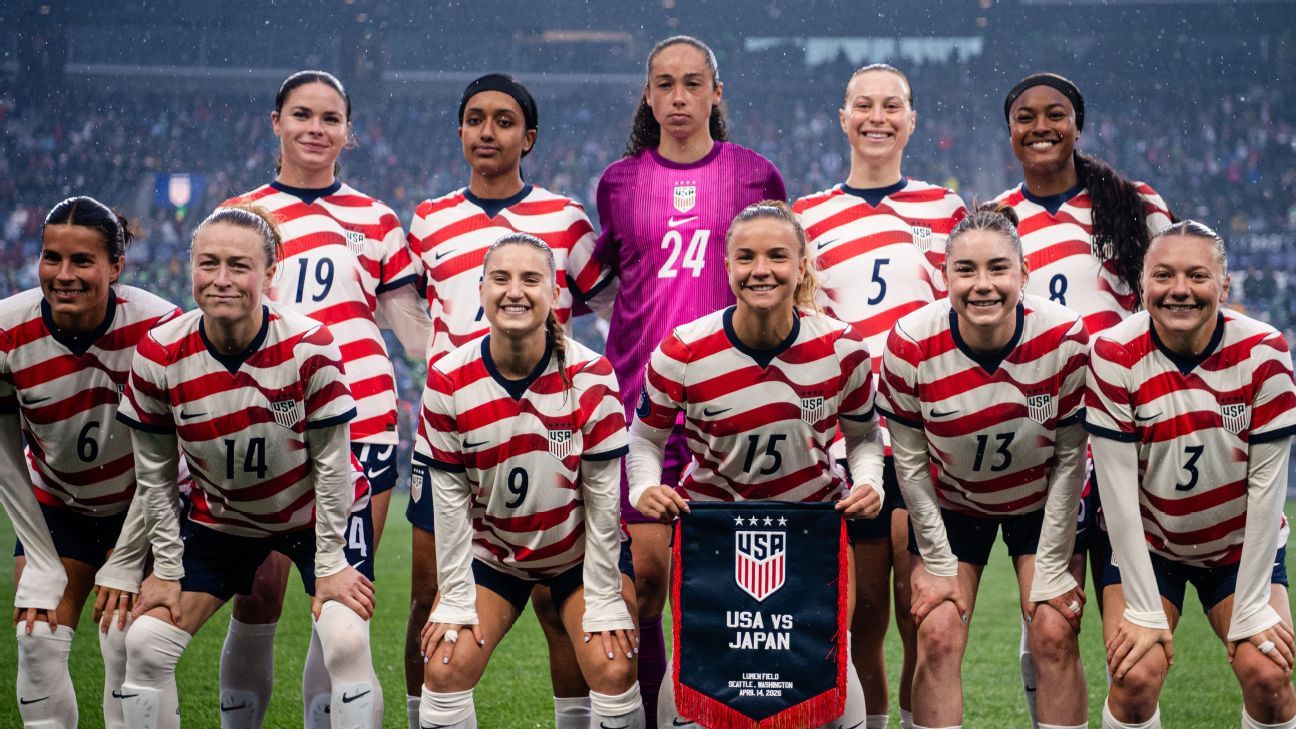
The global soccer spotlight recently shifted from the celebrations surrounding Spain’s triumph in the 2026 Men’s World Cup to the upcoming Women’s World Cup, now less than a year away. As anticipation builds for the 2027 finals, questions arise regarding the participation of the U.S. women’s national team (USWNT).
What had previously seemed like a sure thing is now clouded by uncertainty, primarily stemming from the evolving competitive landscape rather than any specific failings on the part of the USWNT. While the team experienced a disappointing exit in the 2023 World Cup—marking their lowest performance ever—they rebounded strongly, securing gold at the 2024 Olympics after a significant overhaul of their coaching staff and player roster.
The phrase “the world is catching up” has never felt more relevant for the USWNT. The competition has intensified noticeably over the past decade, with numerous teams now displaying the tactical sophistication and skill necessary to win critical matches. This reality was accentuated during the 2023 group stage, where Portugal proved to be a formidable opponent, even achieving a victory against the USWNT in a friendly encounter the prior year.
The USWNT’s 2023 World Cup campaign ended in heartbreak, falling in a penalty shootout to their long-time rivals, Sweden, and exiting in the Round of 16. Having entered that tournament as two-time defending champions, their early exit marked a stark contrast to their previous performance history, where they had consistently placed no lower than third in the previous eight World Cups.
Challenges Ahead for the USWNT
Emma Hayes, who stepped in as head coach following the 2023 disappointment, has made significant changes not only in terms of player selection but also in tactical approach. While these adjustments led to Olympic success, the question remains whether they will be sufficient for the larger challenge of the World Cup.
In her brief tenure, Hayes has introduced 32 players to international play within her first 32 games, a record for the program. By investing in the U-23 national team, she has significantly contributed to the depth of talent available for the USWNT’s future. Rising stars like forward Alyssa Thompson and midfielder Claire Hutton have emerged, suggesting a bright future for the squad.
As it stands, the USWNT is currently ranked second in the world and remains a prominent contender for the upcoming World Cup. However, the path to securing a fifth title is fraught with challenges. Recent matches, including a tough contest against Brazil, underline that the competition is fiercer than ever.
Key Players Needed for Success
For the USWNT to succeed in 2027, its most formidable players must be in peak form. The trio of Trinity Rodman, Sophia Wilson, and Mallory Swanson, dubbed the “Triple Espresso,” was instrumental in the team’s Olympic triumph, contributing 10 out of 12 total goals. This high level of performance will be crucial as the team prepares for the challenges ahead.
The 2023 World Cup, by contrast, exposed glaring inefficiencies in the U.S. attack; the team managed just four goals throughout the tournament, well below expectations. The absence of key players like Swanson due to injury became a significant setback, while defenders such as Naomi Girma and Julie Ertz stood out amongst an often struggling squad.
With Girma’s health issues since joining Chelsea, the team’s defensive stability hangs in the balance. If she is fit, her presence could be pivotal; without her, the USWNT faces a markedly different landscape.
The Goalkeeping Dilemma
The retirement of Alyssa Neher from international competition leaves the USWNT with an open question regarding its starting goalkeeper for the upcoming World Cup. The competition for the No. 1 spot is heating up, with Fallon Tallis-Joyce and Claudia Dickie as leading candidates after their recent performances. Mandy McGlynn’s impressive showing against Brazil further complicates the decision, making it critical for Hayes to establish a robust starting goalkeeper before the qualifiers later this year.
As the quest for a World Cup title intensifies, the uncertainties surrounding the goalkeeper position present both challenges and opportunities. Whomever Hayes selects will need to foster strong chemistry with the defense—a crucial component for success in high-stakes matches.
Tactical Adaptability is Essential
The unpredictability of recent international tournaments serves as a reminder that great teams must remain adaptable. The USWNT’s recent match against Brazil saw them secure a gritty 1-0 victory, despite a chaotic atmosphere characterized by numerous fouls and infractions. Such experiences will undoubtedly test the mental fortitude of a younger USWNT squad.
In October, a pivotal friendly against Spain will provide a litmus test for the team’s defensive organization and counter-attacking capabilities. Hayes will need to fine-tune her tactics in preparation for varying opponents, emphasizing the need for heightened effectiveness in the critical final third of the pitch.
Building Midfield Chemistry
Finding the right balance in midfield is essential, particularly as different opponents require varied strategies. Hayes has experimented with multiple midfield combinations to optimize performance under differing circumstances. The emergence of promising talents like Lily Johannes alongside established players like Sam Coffey and Lindsay Heaps creates intriguing possibilities but also challenges.
As the team gears up for the World Cup, the midfield’s composition will play a substantial role in the team’s success. The USWNT must find a configuration that maximizes strengths while accommodating the unique demands presented by each opponent.
Navigating the World Cup Draw
The dynamics of the upcoming World Cup structure could significantly influence the USWNT’s journey. FIFA’s strategic decisions in past tournaments have demonstrated the potential for altering paths to the finals. With the 2026 Men’s World Cup having established precedents, the upcoming Women’s World Cup could see similarly compelling arrangements.
As the tournament format includes 32 teams, the manner in which the draw unfolds could either simplify or complicate the road to victory. While excellent form, advantageous matchups, and a touch of luck will surely be key, the USWNT must adeptly maneuver through whatever challenges the draw presents.
Currently, the USWNT holds a favorable position heading into the 2027 World Cup, but achieving their ultimate goal will require everything to fall into place at the right time.
