



Northeast Georgia’s Immigrant Population Grows Amid Expanded Enforcement
Many counties in northeast Georgia are home to significant immigrant communities, which are increasingly impacted by local law enforcement’s collaboration with federal immigration agents.
Participation in ICE’s 287(g) program has surged in Georgia, particularly during President Trump’s second term.
The Oakwood Police Department has formalized a partnership with federal agents under ICE’s 287(g) program, enhancing local police capabilities in immigration apprehensions. This joint effort represents a significant expansion of federal immigration enforcement authority in Hall County, noted for its large immigrant population. Similarly, the Flowery Branch Police Department entered into its own agreement with ICE last month.
The 287(g) program, which allows local law enforcement to perform certain immigration enforcement actions, saw a notable increase in participation across Georgia. Prior to January 2025, there were only six law enforcement agencies in the state engaged in the program; by July 2026, that number skyrocketed to 69.
This rapid escalation reflects broader national trends in immigration enforcement, with local police increasingly acting alongside federal authorities. As the dynamics shift, the implications for immigrant communities are profound, raising concerns about trust and cooperation between these communities and law enforcement.
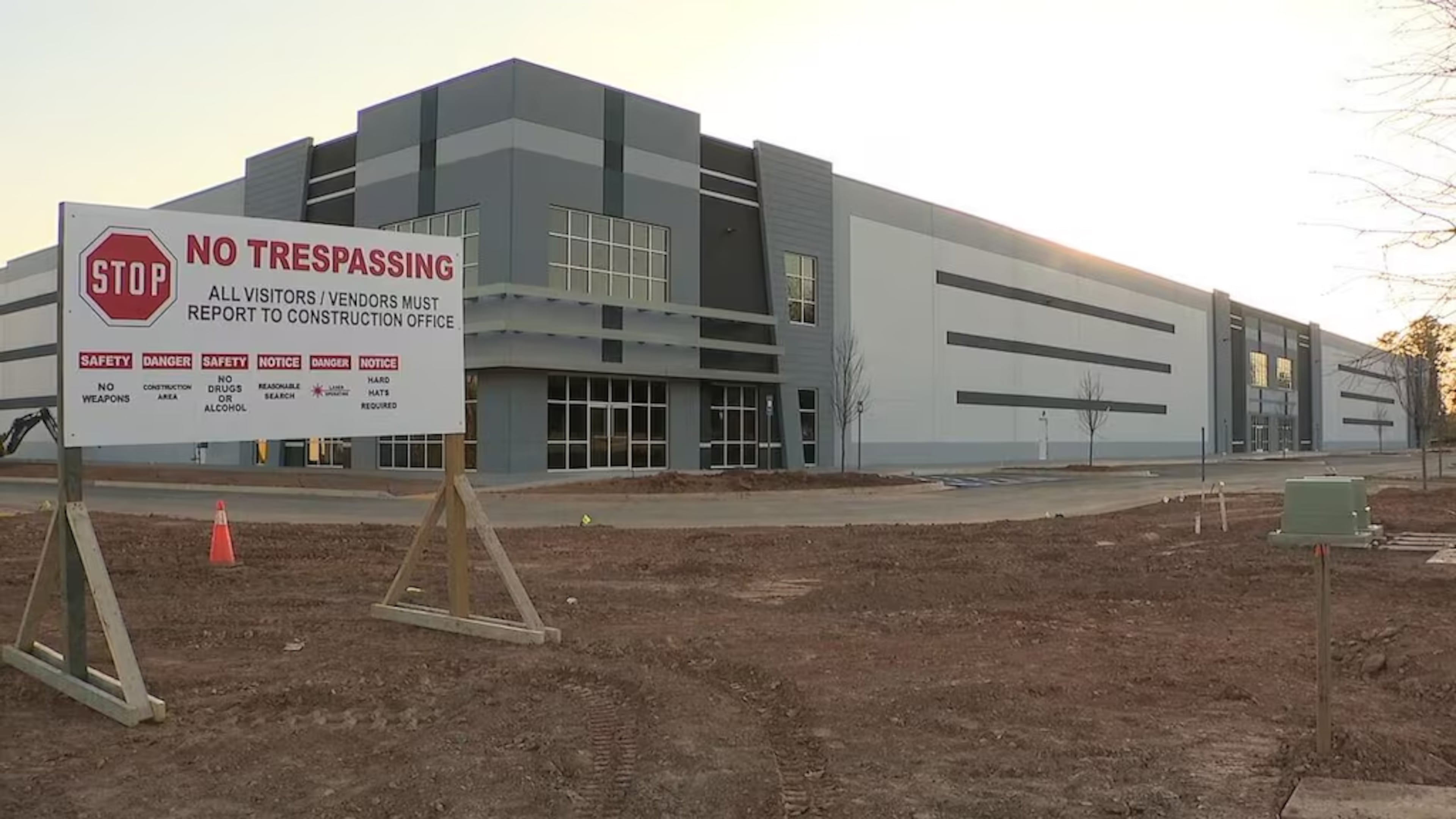
ICE is in the process of converting a facility in Hall County into an immigration detention center, further intensifying enforcement efforts in the region.
As law enforcement agencies align more closely with federal immigration policies, local officials are grappling with the challenges of managing community relations. The heightened scrutiny and enforcement actions can create an atmosphere of fear among undocumented immigrants, complicating their integration into local economies and societies.
The collaboration between local police and ICE not only increases the visibility of immigration enforcement but also raises pressing questions about civil liberties and community safety. Stakeholders from various sectors are calling for more transparent policies and practices to ensure a balanced approach to immigration enforcement in Georgia’s diverse communities.
