



Reflecting on Identity Abroad
For many, especially those from the United States, living outside one’s home country prompts deep reflection on national identity and its implications. Residing in Mexico, for instance, means embodying a perception of being a Mexican representative. This dynamic is a recurring theme among immigrants. Despite the negative views some in the U.S. may hold towards Mexican immigrants, here, people often expect me to be approachable, humorous, and perhaps a bit enigmatic.
The challenge lies in the human tendency to categorize people, particularly in regions teeming with diverse backgrounds. As various cultures intermingle, individual stories often merge into a collective narrative of “otherness,” highlighting the complexities of identity.
Pride and Disappointment in America’s Legacy
There are many reasons to feel immense pride in being American—significant cultural contributions like jazz music, the civil rights movement, and advancements in feminism stand out. Yet, I also grapple with feelings of embarrassment concerning aspects of American history, particularly its track record on genocide and slavery. The echo of influential religious figures yearning for a return to “better times” adds to the dismay.
Currently, I am particularly troubled by the treatment of immigrants in the U.S. For those who maintain a distance from news cycles, it’s important to note that Donald Trump is poised to return to office, equipped with a mandate to address what he perceives as “out-of-control” immigration.
The Reality of Misguided Policies
In the wake of political promises, an increasing number of U.S. Latinos supported Trump’s promise to target only “criminals” within immigrant communities. Yet, this narrow focus quickly broadened, impacting countless law-abiding individuals. Families were torn apart, and many immigrants who had grown up in America suddenly faced threats of deportation, adding to deep-rooted fears surrounding their safety.

Unfortunately, the portrayal of immigrants as “criminals” obscures the reality that the number of true criminals within these communities is significantly lower than often alleged. This leads to indiscriminate crackdowns, with ICE increasingly detaining individuals merely for their presence. Even citizens, brought here as children, face the threat of being swept up in these campaigns.
Concerning Trends in Law Enforcement
Alongside this fear, there are troubling reports of excessive use of force and questionable police practices. The recent case of Mexican national Lorenzo Salgado Araujo underscores this issue, shedding light on the troubling behavior of law enforcement in these situations. Witnesses report conflicting accounts regarding his detainment, raising questions about ICE’s accountability and actions that seem to operate outside established guidelines.
Compounding these issues, the treatment within detention facilities has garnered widespread condemnation. Survivors describe environments that lack basic necessities, highlighting the inhumane conditions that permeate these institutions. Since the recent tightening of immigration policies, there have been preventable deaths among detainees, further illustrating the urgent need for reform.
Calls for Accountability
The existing power dynamics complicate the search for justice. Many believe that the wrong individuals are in positions of authority. Voters disillusioned by systemic issues often target the vulnerable, rather than addressing the root causes of their discontent, such as inadequate labor laws and social safety nets. The scapegoating of immigrants has diverted attention from the real challenges facing many Americans.

While social media was designed to connect people, it often exacerbates divisions, fueling anger over trivial matters. The U.S.’s current stance toward Mexico has further strained relations, leaving many questioning where to turn for accountability and justice. If federal agencies like ICE operate with impunity amidst mounting evidence of misconduct, who is left to ensure ethical treatment for immigrants?
Mexico’s Response to Accountability
Mexico’s government recognizes the challenges posed by this relationship. President Claudia Sheinbaum’s announcement of plans to file criminal charges related to the deaths of immigrants in U.S. custody reflects a determined approach to seek justice, aiming to hold responsible parties accountable.
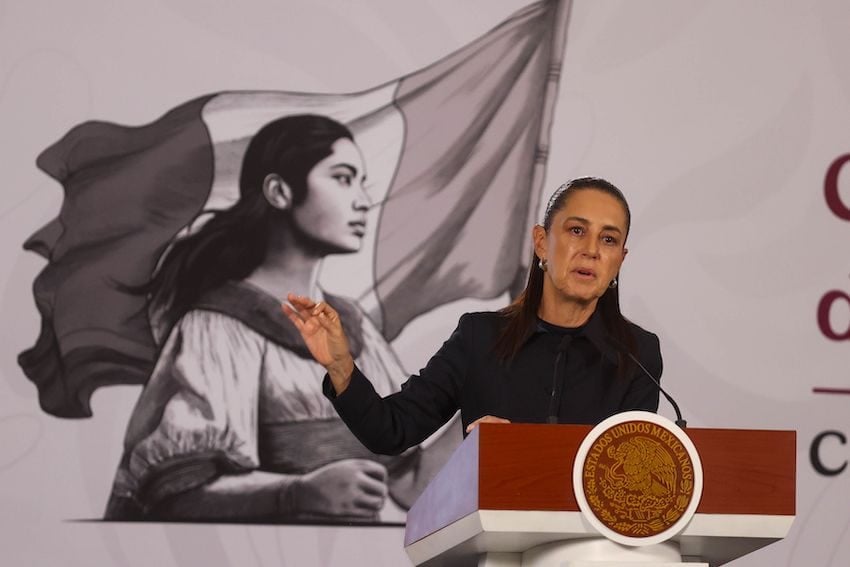
This effort underscores a broader recognition that justice must not only seek to mitigate future tragedies but also acknowledge past failures. Whether those considered culpable will face consequences remains uncertain, especially given past instances where systemic injustices go unchecked. In a world where the vulnerable often suffer while the powerful remain unscathed, the quest for accountability remains formidable.
The Intersection of Responsibility and Power
Our society frequently bears witness to the perils of inept governance compounded by cruelty, particularly when the systems meant to protect us instead foster harm. This dynamic calls into question the integrity of those in power, particularly when federal authorities embrace a predator mentality towards the vulnerable. The implications of these attitudes extend beyond borders, impacting how nations perceive each other and engage with significant moral challenges.
Ultimately, as individuals who have been welcomed into foreign lands, we confront a poignant reality. Nations that extend hospitality can also reveal profound systemic failures. The fragile balance of peace and cooperation demands mindful reflection on our roles as global citizens and advocates for justice.
Written by Sarah DeVries, a writer and translator based in Xalapa, Veracruz. For further engagement, discover more of her insights at her website.
