


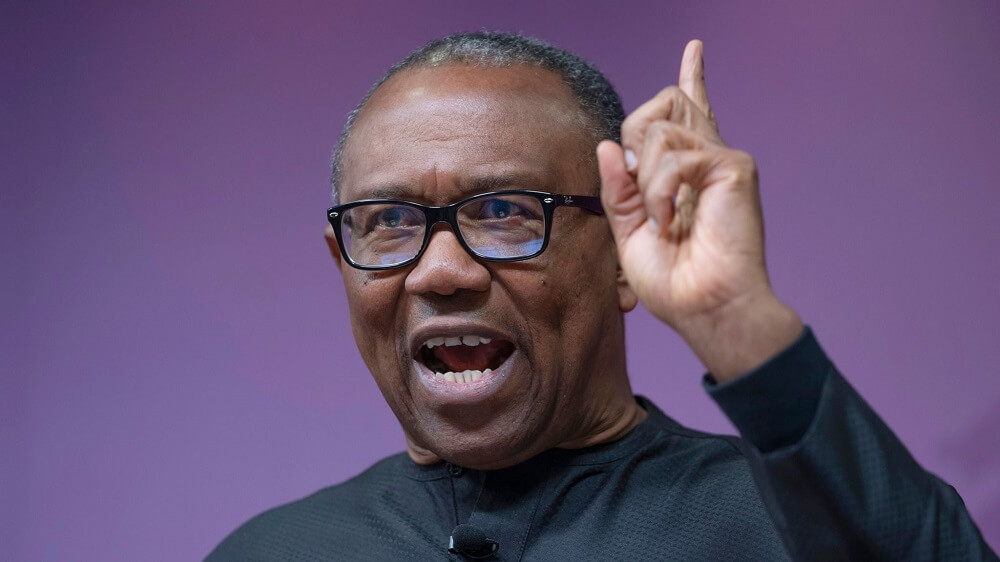
Obi Proposes a Transformative Governance Model for Nigeria
Peter Obi, the presidential candidate of the Nigeria Democratic Congress (NDC), has introduced a comprehensive framework aimed at fundamentally altering Nigeria’s governance landscape. He outlined his vision during a two-hour interview on state television, emphasizing a commitment to serving just four years if elected in the 2027 presidential election.
Focus on Security and Economic Reform
During the interview, Obi stressed the need for decisive action against insecurity, advocating for hands-on leadership in managing security issues. He criticized the current approach, asserting that a more engaged and visible leadership is essential for effectively combating crime. Unlike current practices, he pledged to personally oversee security operations, visit affected regions, and ensure that security forces are adequately equipped and funded.
Moreover, Obi highlighted the link between poverty and insecurity, arguing that long-term solutions require significant investments in education, job creation, and economic opportunities for young Nigerians. He asserted, “You cannot increase poverty and expect peace,” underscoring the need for holistic development strategies to foster a secure environment.
A Shift toward a Production-Based Economy
In discussing economic policies, Obi proposed moving away from a consumption-led economic model to one driven by production. His vision emphasizes agriculture, manufacturing, and robust support for small and medium-sized enterprises as the foundation for Nigeria’s economic transformation. He is optimistic that with the right policies, Nigeria can leverage its vast resources to become a global leader in agriculture.
Drawing comparisons with countries like Bangladesh and China, Obi noted that fostering small and medium-sized enterprises is crucial for national recovery. He criticized the prevailing reliance on short-term portfolio investments, calling for a focus on attracting long-term productive capital to stimulate the economy.
Transparency in Governance and Fiscal Responsibility
On fiscal matters, Obi emphasized the necessity of transparency in government spending and resource allocation. He expressed concern over the implementation of the recent fuel subsidy removal, stating that while he supports the policy, it should have been executed more gradually and transparently. He urged the government to clarify how savings are being utilized to improve living conditions for the populace.
He contended that economic reforms must come hand-in-hand with stringent measures against corruption. Calling for greater fiscal accountability, Obi remarked that citizens deserve clarity regarding significant financial decisions and resource management. “If governments can be determined and implement painful economic reforms, they should show similar determination in the fight against corruption,” he asserted.
Reducing Governance Costs and Wasteful Spending
Obi also committed to reducing excessive governance costs, advocating for the redirection of limited national resources towards essential services such as education, healthcare, and infrastructure. He criticized lavish government expenditures, questioning the rationale behind spending on luxury assets instead of prioritizing critical public needs. He firmly stated, “There is too much waste in government,” highlighting the urgent need for more prudent resource management.
Commitment to Credible Elections and Democratic Values
Looking ahead to the 2027 elections, Obi appealed to President Tinubu to facilitate a fair and transparent electoral process. He emphasized that elections should reflect the will of the voters, not the interests of political elites. “History will remember him positively if he ensures that Nigerians are free to choose their leaders,” he remarked, reinforcing the importance of a credible electoral legacy.
Engaging Nigeria’s Youth and Future Leadership
Obi reaffirmed his commitment to collaborate with well-meaning political stakeholders to rebuild Nigeria, placing particular emphasis on the involvement of the youth. He views young Nigerians as invaluable partners in his vision for the nation’s future, stating, “My biggest partner is the youth of Nigeria.” He concluded by reiterating his pledge to serve only one term, promising to uphold integrity and deliver tangible results within that time frame.
