


Immigrant Children in Tennessee Face Legal Representation Crisis
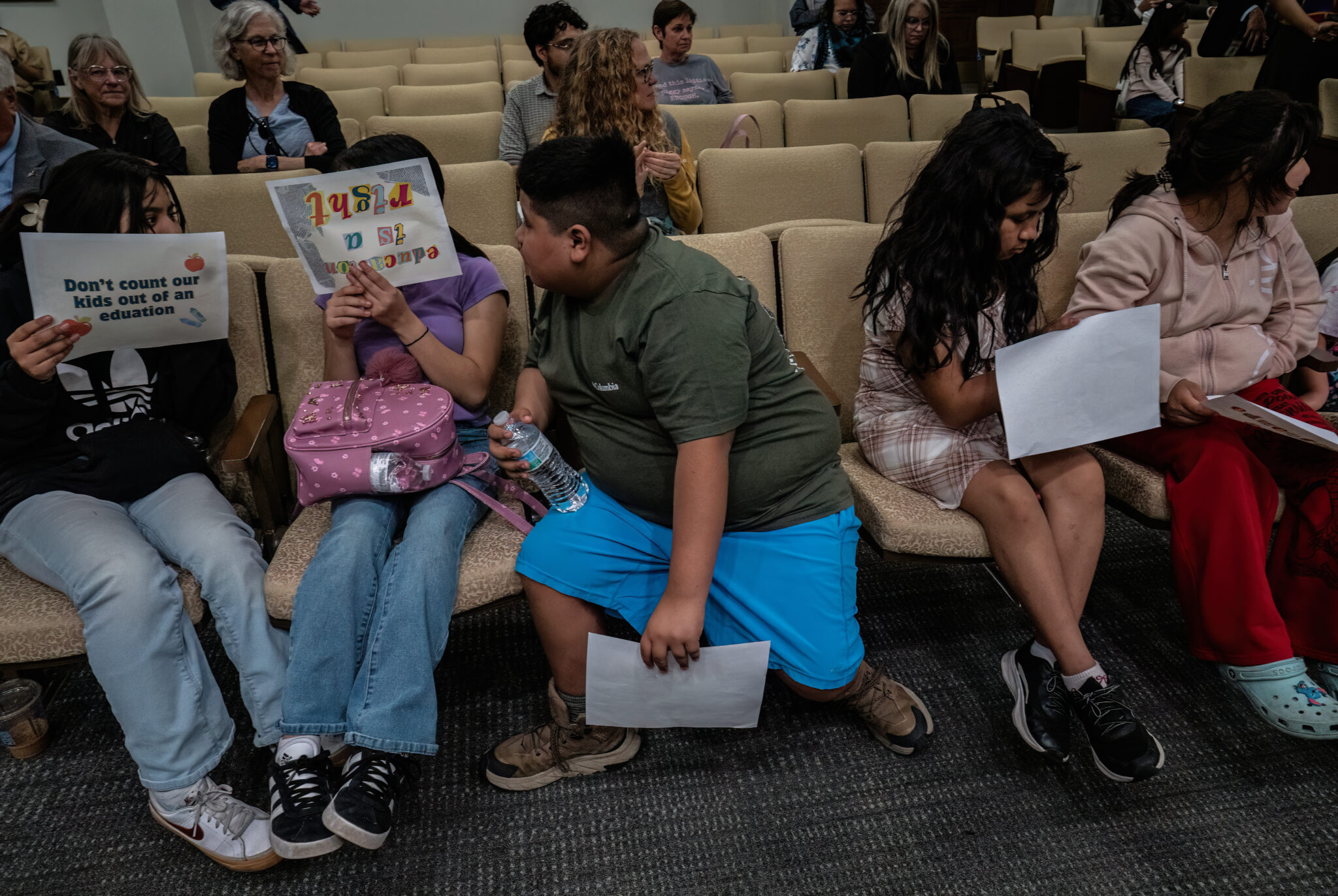
Hundreds of immigrant children in Tennessee are on the verge of losing access to legal representation due to the Trump administration’s recent decision to suspend litigation grant payments and terminate long-standing contracts with legal aid organizations.
Mid-South Immigrant Advocates at Risk of Closure
Mid-South Immigrant Advocates provides support to approximately 400 children—ranging from infants to teenagers—who arrived in the United States without a parent or legal guardian and currently reside in federal custody or with family and sponsors in Tennessee. The organization has announced plans to cease operations in Nashville and Memphis, a move that legal director Sally Joyner warns could have severe implications for these vulnerable children.
Increased Deportation Risks Without Legal Aid
Joyner emphasized the grave consequences of their closure, noting that children without legal representation are required to appear in person before immigration judges, which significantly heightens their risk of deportation. Research from the Acacia Justice Center, a coalition of 100 nonprofit organizations dedicated to assisting immigrant children nationwide, reveals that less than 1% of these children secure relief from deportation in immigration court when lacking legal counsel.
Ongoing Funding Struggles for Nonprofits
Joyner characterized the situation as “another level of disaster,” underscoring the dire outcomes for children reliant on her organization’s immigration legal assistance. Mid-South Immigrant Advocates is among numerous legal service organizations nationwide grappling with the challenges of securing long-term federal funding for legal representation of immigrant children since the beginning of the second Trump administration.
Suspension of Federal Funding and Policy Changes
In March 2025, the U.S. Department of Health and Human Services proposed a permanent end to this funding. Although legal challenges have temporarily halted these funding cuts, the impact remains troubling. Furthermore, a new policy implemented in November requires grant recipients to disclose personal information about their clients as a prerequisite for receiving funding.
Ethical Dilemmas and Financial Implications
Joyner stated that organizations like hers cannot ethically share privileged legal information, leading them to refuse to provide sensitive data about their young clients. As a direct consequence of this policy, Mid-South Immigrant Advocates has not received reimbursement for $500,000 in federal funds owed for legal assistance provided since November 2022.
Funding Challenges and the Path Forward
Since early 2025, the organization has been unable to accept new clients, with few exceptions. Joyner pointed out that current funding does not sufficiently cover operational costs, forcing the agency to tap into its reserves. In a message to clients and supporters, the organization expressed, “We are faithfully meeting our obligations using reserve funds and have sought funding from foundations to bridge the gap. However, both resources and time are limited.”
In total, the U.S. Health and Human Services Agency is withholding over $65 million in reimbursements from more than 100 agencies nationwide contracted to provide legal representation to immigrant children, according to data from the Acacia Justice Center.
