


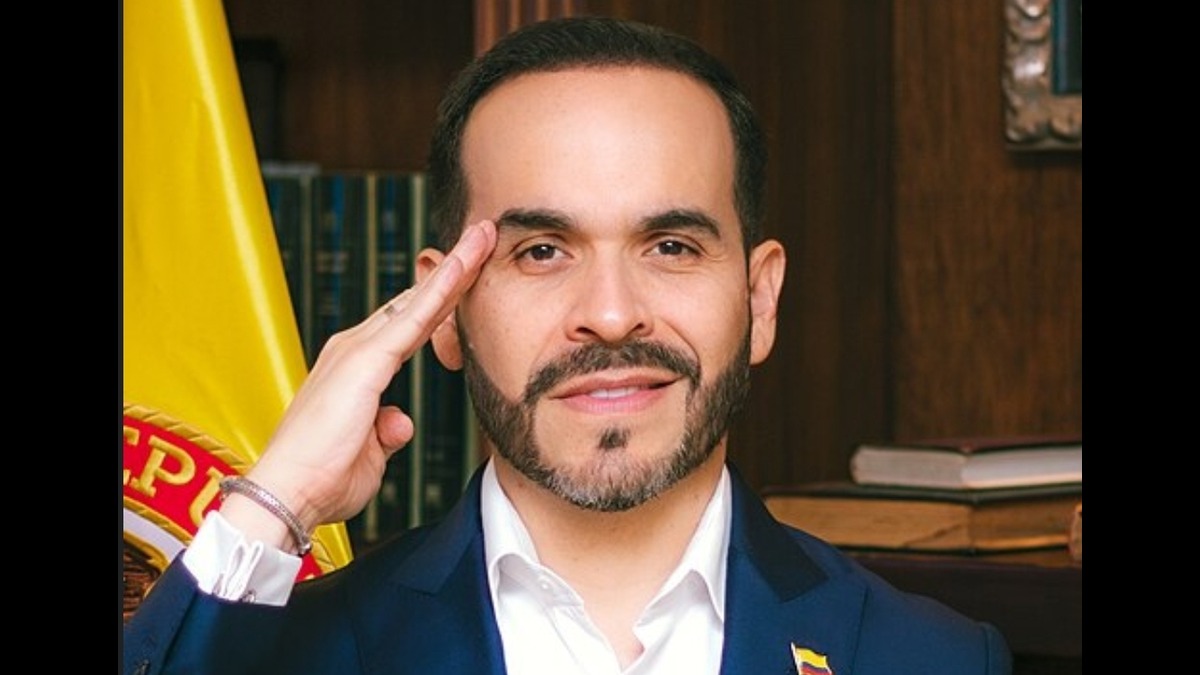
Colombia’s New President Announces Major Diplomatic Overhaul
Abelardo de la Espriela, Colombia’s president-elect, has introduced a sweeping shift in the country’s foreign policy, highlighting plans to close or suspend diplomatic missions in 15 nations across Africa, Asia, the Caribbean, and Eastern Europe. Additionally, he intends to reopen the Colombian embassy in Jerusalem, a significant departure from the approach taken by the previous administration.
Targeted Closures in Diplomatic Engagements
The closures will affect embassies in countries including Palestine, Algeria, Azerbaijan, Barbados, Cuba, the Czech Republic, Ethiopia, Ghana, Haiti, Hungary, Malaysia, Nicaragua, Romania, Senegal, and South Africa. This strategic decision aims to curtail government expenditures while realigning Colombia’s diplomatic focus toward countries recognized for their greater economic and strategic relevance.
Shift in Ideology and Strategy
The announcement marks one of the incoming administration’s first major foreign policy initiatives following its electoral victory. It signifies a notable ideological divergence from the outgoing government’s stance, which sought to distance Colombia from Israel and strengthen ties with several developing nations.
Reopening the Embassy in Jerusalem
The core of this diplomatic realignment is the planned reopening of the embassy in Jerusalem. This action directly reverses the current administration’s choice to withdraw representation from the city during escalating tensions regarding the conflict in Gaza.
A Pragmatic Approach to Foreign Relations
De la Espriela contends that Colombia’s foreign policy must be driven by national interests, economic diplomacy, and financial prudence. He indicated that maintaining embassies in countries that offer limited trade and investment opportunities is no longer justifiable.
Potential Impact on Bilateral Relations
This diplomatic overhaul is poised to reshape Colombia’s diplomatic presence across four continents, affecting bilateral cooperation in areas such as trade, education, culture, and consular services for Colombians residing in the affected nations. However, details regarding the future of consular services—whether they will be transferred to nearby embassies or managed through non-resident missions—remain unclear.
International Attention on Jerusalem
The decision to reinstate diplomatic activities in Jerusalem is likely to attract global scrutiny. Jerusalem, a city fraught with conflict, is claimed as the capital by Israel, while Palestinians seek East Jerusalem as the capital of their envisioned state. Consequently, numerous countries maintain embassies in Tel Aviv, awaiting a negotiated resolution to the long-standing conflict.
Deteriorating Relations with Israel Under Previous Leadership
Relations between Colombia and Israel soured under the prior administration, primarily due to disagreements over Israel’s military actions in Gaza. Diplomatic tensions escalated as cooperation was suspended and bilateral relations were downgraded.
A Broader Geopolitical Realignment
Political analysts interpret the president-elect’s proposals as indicative of a broader shift towards strengthening ties with Israel and its conservative allies while reducing engagement with countries considered to have limited economic or geopolitical value. The anticipated embassy closures and reopening in Jerusalem will likely undergo rigorous political and diplomatic scrutiny as the new administration prepares to implement its foreign policy agenda.
