


Changes in Asylum Processing Regulations Announced
Ariana Figueroa, Wisconsin State Examiner
July 28, 2026
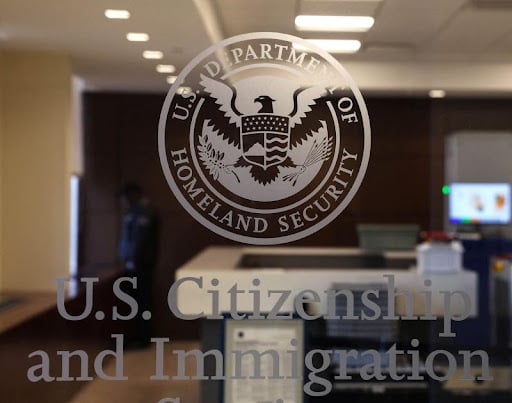
In a significant policy shift, U.S. Citizenship and Immigration Services (USCIS) has announced new rules that allow federal asylum officials to bypass the standard interview process for certain asylum seekers, directing cases straight to immigration judges. This development aims to expedite the deportation process for noncitizens seeking asylum.
The regulation is effective immediately and permits USCIS, a branch of the Department of Homeland Security, to refer specific asylum cases—namely, those involving noncitizens yet to be deported and actively pursuing asylum—directly to immigration judges. This occurs without prior interviews or assessments of the applicant’s credibility.
This interim final rule will be in place until USCIS can collect public comments and finalize the text. The new guidelines mark a notable departure from the traditional handling of asylum cases, diminishing the chances for applicants to make their claims before immigration judges. Consequently, this can lead to prompt rejections and deportation orders.
To qualify for asylum, noncitizens must articulate their fear of persecution due to race, religion, nationality, membership in a particular social group, or political views. Under the new regulations, asylum officers will have the discretion to apply these rules if they determine that an applicant is barred from filing or receiving asylum, deemed unworthy of consideration, or deemed ineligible based on the merits of their claim. Furthermore, the regulations have removed previous language granting a “right” to an interview for asylum seekers.
USCIS estimates suggest that over 444,000 pending asylum seekers could be impacted by these changes, along with an anticipated 132,000 future applications. The new policy may also affect hundreds of thousands of Haitians, many of whom are at risk of losing their legal protections as the Trump administration plans to cancel their temporary protected status. This revocation could lead many to seek asylum, despite not all meeting the stringent persecution criteria defined in refugee law.
Government Justifies Rule Change Amid Backlogs
Officials from the Trump administration contend that this rule is designed to address the overwhelming backlog in immigration courts. A press release from the Department of Homeland Security emphasized that the rule shortens the overall time it takes to adjudicate asylum claims, suggesting an efficient and streamlined approach.
Joseph Edlow, Commissioner of Immigration Services, stated that the rule will encourage asylum officials to concentrate on what he termed “legitimate” claims. He argued that the asylum system has been misused for delays and work permits, rather than serving those in genuine need of protection. As Edlow articulated, the rule should ensure that resources are allocated more effectively to handle valid asylum claims swiftly.
Critics Warn of Potential Detriments
However, immigration law experts are voicing concerns that the policy may have the opposite effect, potentially exacerbating the backlog within the asylum system. Ben Johnson, executive director of the American Immigration Lawyers Association, indicated that this rule could prolong the backlog, which already stands at 1.4 million cases. Johnson argued that judges might take longer to process cases compared to asylum officers, leading to a slower resolution overall.
He further claimed that this new directive would jeopardize the rights of vulnerable individuals seeking refuge from torture and persecution. By compelling asylum seekers into contentious court hearings, and potentially subjecting them to detention, the policy risks undermining due process in the immigration system. Johnson suggested that cases would be better managed by refugee officials who can evaluate claims more rapidly and thoroughly than judges.
